Roof Valleys Uncovered: Understanding Their Role and Common Failures
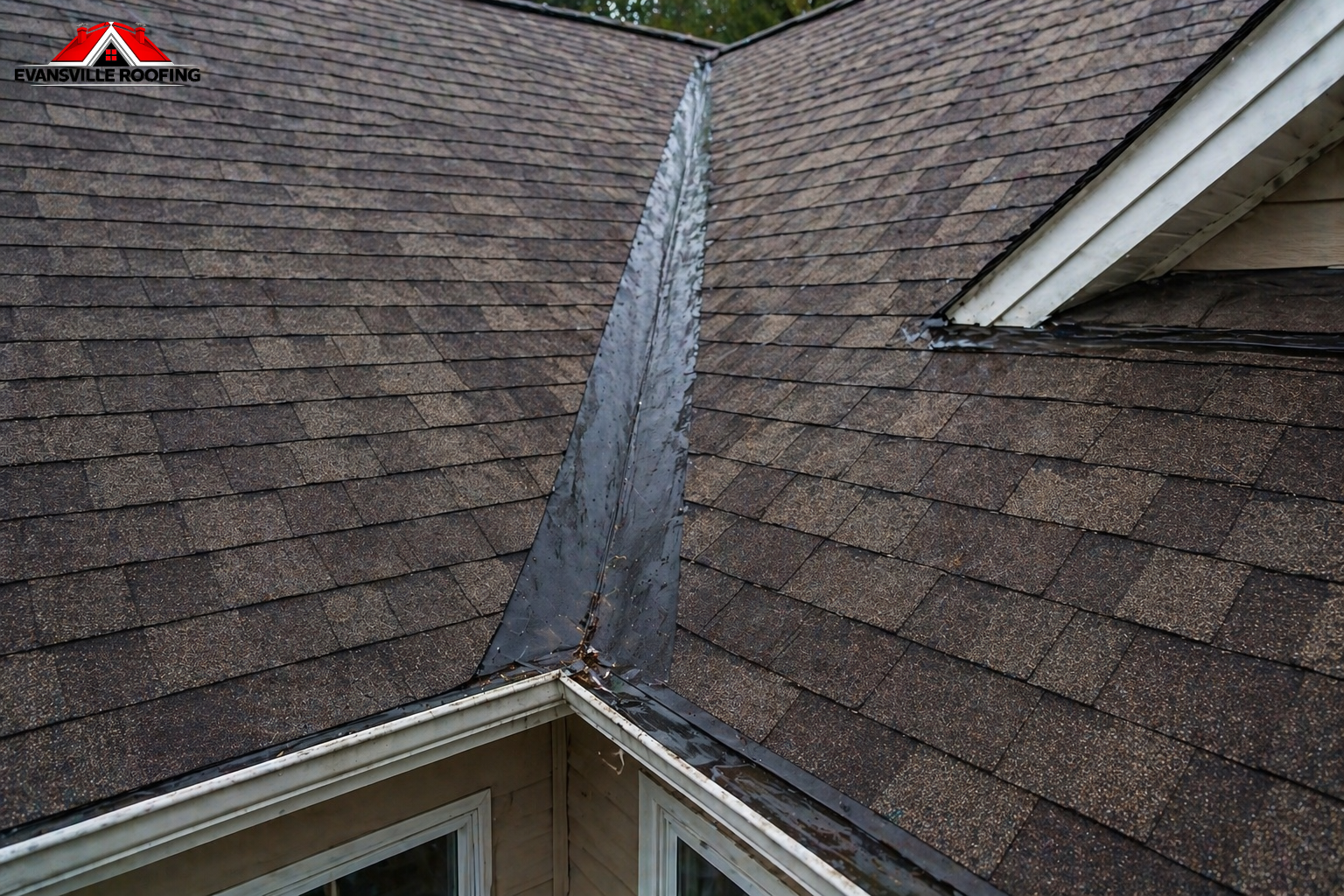
Roof valleys might not catch your eye, but they play a crucial role in your home's protection. These are the spots where two slopes meet and act as channels to guide water, snow, and debris toward your gutters. When built right, they keep your roof in top shape. But if they're damaged or installed poorly, they're often the first spot where leaks start.
If you're keen to avoid hefty repair bills, getting to know how valleys work is a smart move. It's also handy to know when to book a roof inspection and damage assessment, especially after those heavy storms or seasonal changes. Seeing water spots or missing shingles? That’s a sign to call in a roof repair expert to nip any problems in the bud.
This guide is your go-to for understanding roof valleys, why they wear out, and how to keep them in good shape. We'll also touch on new materials, expert tips, and warning signs you shouldn't ignore.
The Role of Roof Valleys
Why They Matter
Roof valleys handle a lot of water. They guide rain and snowmelt down to your gutters faster than any other part of your roof. This means they need to be tough enough to handle the constant water flow, temperature changes, and debris impact.
Think of the valley as both a drainage way and a stress point. Water rushes through here, so you need solid flashing and underlayment. The U.S. Department of Agriculture’s Natural Resources Conservation Service highlights the importance of managing runoff to protect structures from moisture damage. This principle is key to roof design.
Water, Snow, and Debris Collection
Because valleys collect a lot of material, leaves, sticks, and even roof granules tend to pile up here. When debris builds up, it can slow drainage and push water under shingles. In winter, valleys can become traps for snow and ice, which means they stay wet and risk ice dams forming.
This is why you should treat valleys as active parts of your roof. They might look fine from the street, but hidden issues can surface during heavy rain. Regular roof maintenance and roof tune-up are a worthwhile investment.
Why Roof Valleys Are Prone to Problems
Handling Lots of Water
The main reason valleys fail faster than the rest of the roof is simple: they manage more water. Rainwater from two roof slopes comes together in one place, so the valley deals with more wear and tear than anywhere else on your roof.
This wear isn't limited to a specific roof style. Whether your home has a steep gable or a complex roofline, valleys are usually the most stressed parts. In many cases, contractors find leaks start at a valley seam or flashing edge that’s been worn by constant runoff.
Importance of Quality Installation
Even top-notch materials can fail if they're installed incorrectly. Building a valley takes precision—proper measurements, the right underlayment, precise shingle cuts, and secure flashing. If any step gets rushed, water might find its way in.
That’s why many experts suggest hiring skilled contractors for both repairs and full replacements. If your roof’s older or has storm damage, a full roof replacement might be more cost-effective than multiple repairs. For new homes or major upgrades, valley design is crucial during roof installation to ensure future performance.
Weather Woes
In areas with hot summers, cold winters, and seasonal storms, valleys face a constant cycle of expansion and contraction. This can cause sealants to dry out, flashing to loosen, and shingles to crack. In Evansville, IN, these conditions can be particularly tough on roofs, making it vital to consider both heat and freeze-thaw stress when deciding on roofing solutions.
For more on how climate affects roofing, check out the U.S. Department of Energy for insights on roofing durability. A well-sealed valley not only protects the roof but also guards insulation and interior finishes.
Boosting Valley Durability
Using Metal Flashing and Modern Systems
One of the latest trends in roofing is using stronger materials for valleys. Many roofs now feature upgraded metal flashing made from aluminum, steel, or copper, chosen based on the home's needs and budget. These materials resist corrosion better and provide a solid barrier against water.
Modern metal roofing systems often include integrated valley flashing for extra protection. Roofers have learned not to skimp on valleys, and new roofing trends reflect this understanding. Durable systems, including premium metal roofing solutions offered by some local installers in Evansville, are built to handle hail, wind, and heavy rain.
Choosing the Right Underlayment
High-quality underlayment is a valley's best friend, acting as a backup barrier if water sneaks past the roofing layer. In colder areas, ice-and-water shield products are often used since they help seal around fasteners and keep moisture out. This added layer is especially crucial where snow and ice may linger in the valley.
Guidance from the Asphalt Roofing Manufacturers Association emphasizes correct installation and compatible materials. A valley system that pairs strong flashing with the right underlayment is likely to withstand storms and seasonal changes.
Shingle Layout and Style
Roof valleys can be finished in different styles, like open or closed. Open valleys show the flashing surface and rely on metal to direct water, while closed valleys use shingles to cover the centerline. Both styles have their pros, but both need careful execution to keep water flowing smoothly.
No matter the style, shingles should support easy runoff. They shouldn't trap water or create edges that catch debris. If the valley is too tight or misaligned, it can reduce drainage capacity and shorten the life of nearby materials.
Spotting Valley Wear and Damage
Interior Signs to Watch
Often, valley issues show up inside the home first. Water stains on ceilings, peeling paint near exterior walls, or damp attic insulation can signal a roof leak. When these signs appear after rain, the valley is one of the first places a roofing expert will check.
If leaks suddenly appear during a storm, you might need emergency roofing services. Quick action is crucial because water can spread quickly through decking, framing, and drywall once it gets past the roof layers. Even small leaks can lead to big repairs if ignored.
Exterior Signs from the Ground
From outside, you might notice curled shingles, cracked flashing, discoloration, or leaves piling up in the valley. Granule loss is another warning sign, especially if it seems concentrated in one spot. A darker valley than the rest of the roof may be holding moisture longer than it should.
Keep an eye out for shingle edges lifting near the centerline, as wind and runoff often work together to loosen roofing materials. When this happens, the valley becomes more exposed with each storm. A timely inspection can reveal if it's a cosmetic or structural issue.
Hidden Problems
Some valley leaks are due to damaged flashing, but others might indicate deeper issues like deteriorated decking or poor ventilation. If water has been seeping into the same spot for a long time, the deck might be soft or rotten beneath the surface. In such cases, patching won't fix the real problem.
This is why a detailed assessment is so helpful. A pro can determine if the valley needs resealing, partial reconstruction, or a more comprehensive update. For a full picture of your roof's condition, a roof inspection and damage assessment can offer clear next steps.
Keeping Valleys in Shape
Clear Out Debris Regularly
One of the simplest ways to protect your valleys is to keep them clear. Leaves, twigs, and roof granules can clog the channel and slow water flow, especially in the fall and after storms. Regular cleaning reduces the risk of water backing up under shingles.
Gutter guards can help by improving overall drainage and reducing debris that reaches the valley. While they don't eliminate maintenance, they can significantly cut down how often valleys get clogged. This can make a big difference for homes with lots of nearby trees.
Regular Professional Inspections
Regular inspections are key because roof damage often develops slowly. A valley that looks fine today might already have fastener fatigue or a minor flashing separation that could worsen. Professional checks after heavy rain, hail, or high winds can catch these issues early.
For most homes, an annual inspection is a good start, but extra checks might be needed after storms. Roof maintenance is especially crucial for older homes, roofs with multiple slopes, or those that have been repaired multiple times. Staying proactive is usually cheaper than waiting for a leak.
Choosing the Right Repair
Not every valley problem needs a full replacement, but not every issue should just get a sealant. Small damage might be fixed with a targeted repair, while widespread issues may require flashing replacement or re-shingling. The best solution depends on the roof’s age, materials, and how much water has already gotten in.
Sometimes, investing in preventive services is the best move. A seasonal roof maintenance and roof tune-up can spot weak points before they turn into costly repairs. This is especially helpful for those wanting to extend their roof's life without jumping into a full replacement too soon.
Seeing the Bigger Picture
Valleys and Their Connection to the Roof System
Valleys are part of a larger system, including gutters, drip edges, flashing, decking, and underlayment. If one part fails, the valley can struggle even if the shingles look fine.
For instance, clogged gutters can back up water near the eaves, and worn flashing can let water seep under the roof. If the decking underneath weakens, the valley loses its stable base. To get a better handle on how these layers work together, check out The Ultimate Guide to Roof Decking and Why It Matters.
Material Choices Matter
The materials you choose for your roof impact the valley's lifespan. Heavier materials, resilient coatings, and well-matched components often do better in drainage areas. A roof selected without considering local weather may look good initially, but could wear faster where runoff is strongest.
If you’re comparing roofing options, consider reading Choosing Roofing Materials for Climate and Home Design. This helps align looks, durability, and budget with the conditions your roof will face over time.
The Value of Expert Installation
Valleys don’t forgive sloppy installation, but they can last when done right. Skilled roofers understand water flow, fastening needs, and how to layer materials correctly. This craftsmanship reduces future leak risks and helps preserve the roof deck and everything below.
For folks in the Tri-State area, working with a trusted roofer can make all the difference. A local team that knows the weather patterns and building standards is better prepared to protect valleys from wearing out too soon.
Case Study: Valley Maintenance in Stormy Climates
What to Expect After Big Weather Events
After hail, strong winds, or heavy rain, valley damage might show up in subtle ways. You might spot a small stain on the ceiling, dampness in the attic, or a lifted shingle along the roof’s center. These might seem minor, but they often mean the valley's taken a hit.
In Evansville, where hot summers and cold winters cause wear to build up quickly, these issues can escalate faster than expected. Local roofing pros have seen valley problems become regular headaches when repairs are delayed or don’t address the root cause. This is why experienced contractors often suggest a complete review after major storms.
The Benefits of a Solid Repair Plan
Imagine a roof valley starts leaking because trapped debris holds moisture against the flashing. A quick seal might stop the drip for now, but if the valley's protective underlayment is gone, the leak will likely return. A smarter plan might include replacing damaged parts, improving drainage, and checking shingles for hidden wear.
This is especially useful for homes with multiple patch jobs. It can save money over time by reducing service calls and helping the roof age evenly. For homeowners needing quick help, a responsive local contractor can offer both assessment and repair advice tailored to the roof's current state.
Roof Valley FAQs
How Can I Tell If My Roof Valley Is Failing?
Look for indoor water stains, visible leaks during rain, debris buildup, missing shingles, or dark streaks along the valley. A professional inspection can confirm if the issue is just cosmetic or something more serious.
Can Roof Valleys Be Protected from Early Wear?
Yes. Good design, quality materials, regular upkeep, and timely fixes can greatly extend the life of the valley. Prevention is often cheaper than dealing with water damage or structural fixes.
Do All Roofs Have the Same Valley Type?
Nope. Valley style depends on roof design, materials, and installation preferences. Open and closed valleys are common, but they need different methods and materials to work well.
How Often Should Valleys Be Checked?
At least once a year, especially after big storms. Homes near trees or in harsh weather zones might need more frequent checks.
Valleys: Key to a Healthy Roof
Roof valleys are vital for drainage and are also quite vulnerable. They handle lots of water, debris, and stress from the weather. Quality materials, proper installation, and consistent maintenance help them last. Understanding how valleys work means you can catch early warning signs and tackle issues before they become costly.
To keep your roof in good shape, don’t wait for a leak. A professional inspection, repair, or preventive tune-up can help maintain your whole roofing system and cut down on interior damage. For expert advice on valley issues, storm damage, or general roof care, reach out to Evansville Roofing Company and find the service that suits your home.
Whether you need a detailed checkup, timely repairs, or regular maintenance, the right roofing partner can help extend your roof’s life and protect your property with peace of mind.