The Ultimate Guide to Roof Decking and Why It Matters
Roof decking is crucial for your roof, yet you might not think about it much since it hides beneath the visible shingles or tiles. Also known as roof sheathing, this layer provides essential support for the roof’s covering materials and helps keep your roof stable and secure. Whether you're planning a repair, a replacement, or a new build, knowing about roof decking will help you make smarter choices and protect your investment. If you're weighing options, our roof installation services and roof replacement solutions ensure your decking lasts.
Why is this so important? Because roof decking influences everything from how weight is distributed and moisture is resisted to energy efficiency and long-term durability. A roof only performs as well as its base, so when the decking fails, issues can spread fast. The roofing market is growing as property owners seek stronger systems, and decking is at the core of this evolution. For a more technical perspective, the market overview highlights how roof decking ties into broader construction trends.
Understanding Roof Decking
Why roof sheathing is critical
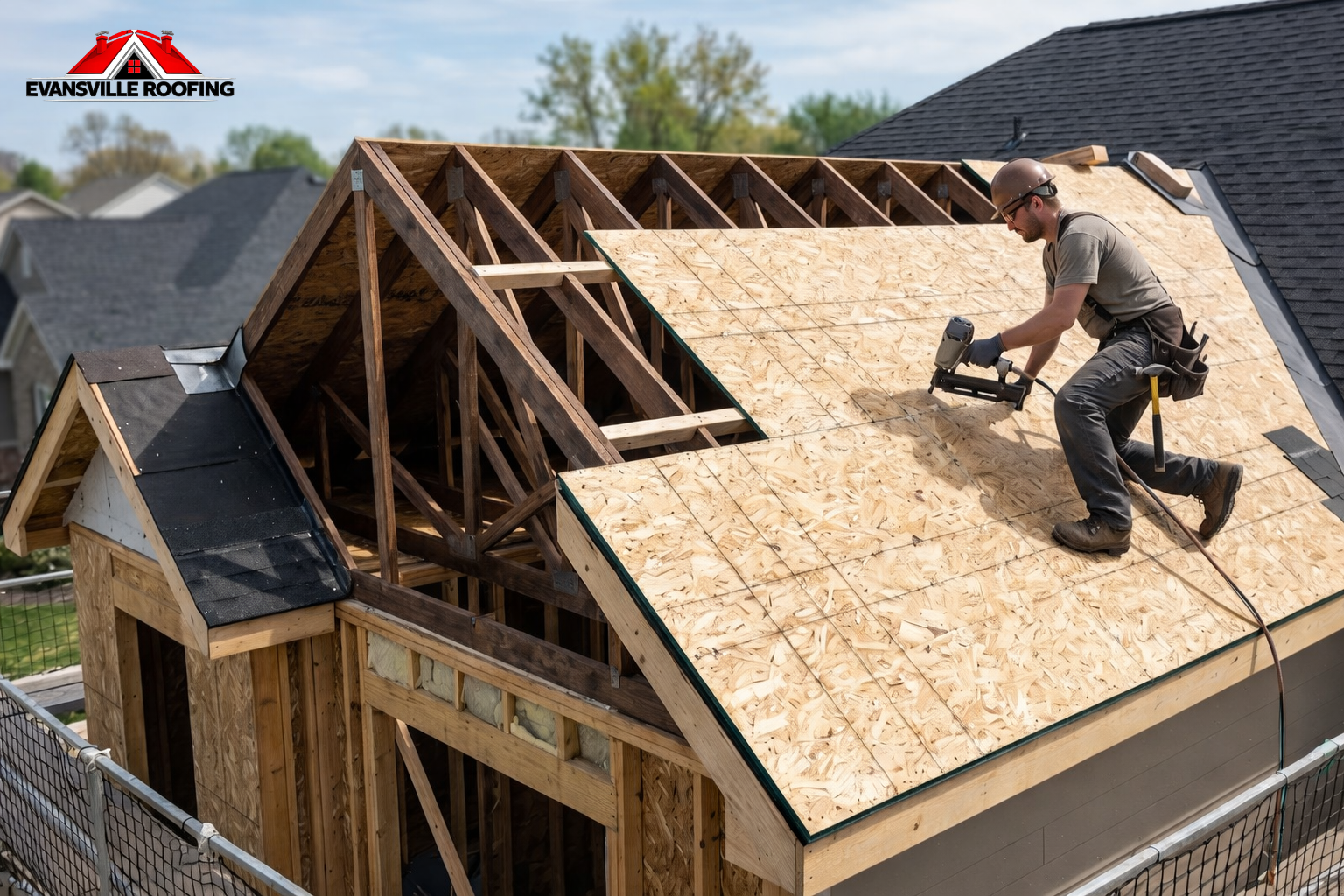
Roof decking creates a continuous flat surface attached directly to rafters or trusses, distributing weight evenly across the roof. This is key when your roof must handle snow, wind, rain, and the weight of materials. Essentially, decking offers a solid base for shingles or panels, keeping everything aligned and resistant to movement.
Without proper decking, high-quality roofing materials might not hold up. Decking also helps resist uplift during storms, vital in areas with strong weather. Notice sagging, soft spots, or leaks? Schedule a roof inspection to see if the decking is the culprit.
Materials used in roof decking
Most roof decking is made from plywood or OSB (oriented strand board) because they’re affordable and easy to install. In some systems, metal decking or specialty composites are used, especially in commercial projects. The best material depends on roof design, local climate, budget, and roofing type.
Trends show a shift toward recycled composites and sustainable materials like reclaimed wood. This reflects a broader move to reduce environmental impact, making sustainable roofing materials a hot topic. Check out the latest from Data Insights Market on this trend.
Why Roof Decking Is More Important Than You Think
It’s the backbone of your roof system.
The roof deck supports everything on the roof, including underlayment, fasteners, insulation, and the visible covering. If the deck weakens from rot, moisture, or bad installation, the whole roof can fail, even if the outer materials look fine. That's why pros check decking before major repairs.
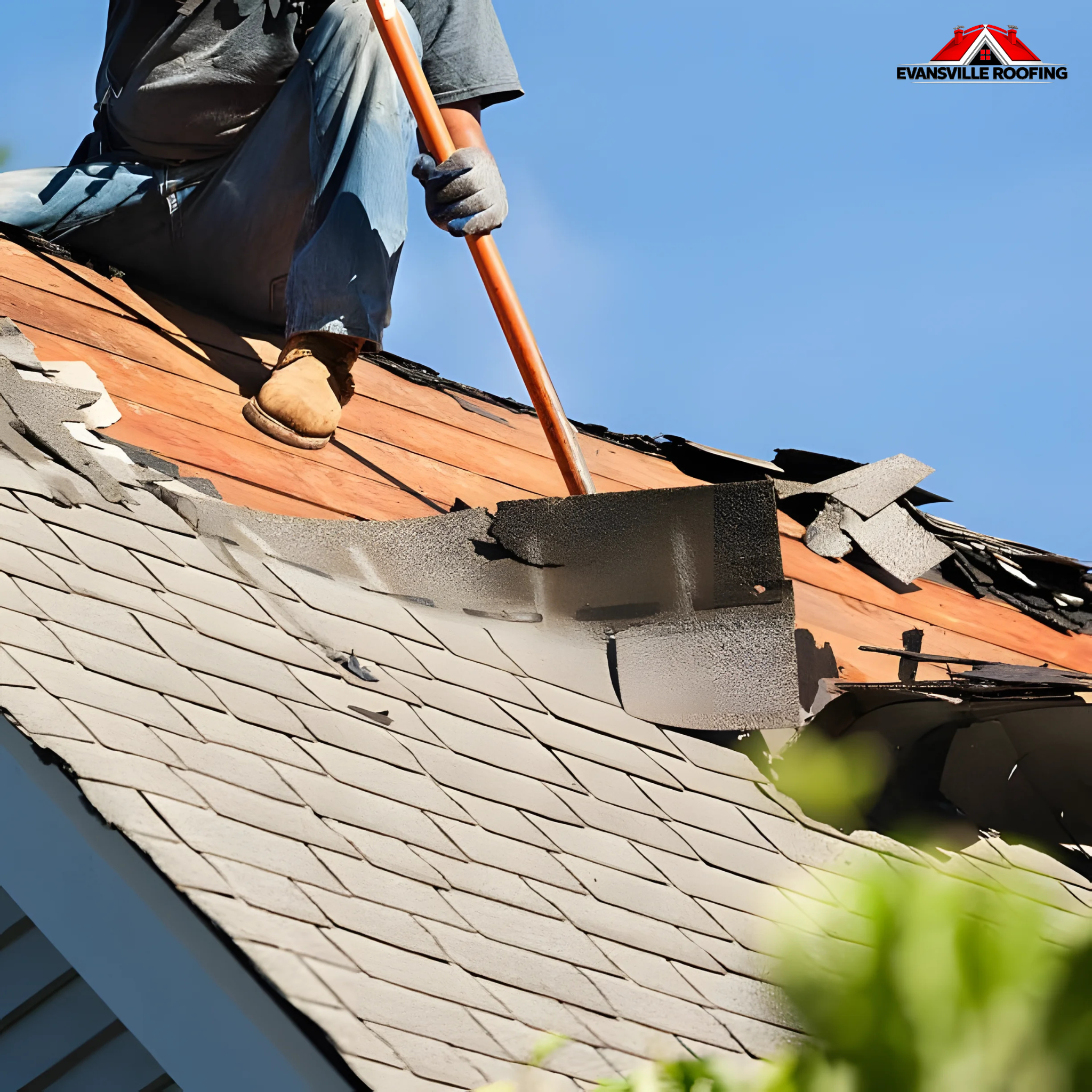
A damaged deck leads to uneven surfaces, causing shingles to lift or wear prematurely, and potentially lets water in. In severe cases, weak decking can make the roof unable to handle weather, requiring emergency repairs to prevent further damage.
Moisture control and leak prevention
Moisture is a big threat to roof decking. Water entering through damaged areas can soak into the decking, causing swelling or rot, which over time spreads to the framing and finishes. Think of roof decking as part of your home’s moisture management, not just a hidden layer.
Good ventilation, underlayment, and maintenance protect from moisture. The U.S. Department of Energy explains how attic ventilation and insulation help control heat and moisture, extending roof life and performance.
Signs of Roof Decking Damage
Sagging, soft spots, and uneven surfaces
Sagging or a wavy roof is a clear sign of deck trouble, indicating weakened sheathing or stressed framing. Soft spots are another warning, especially when inspecting the roof. A healthy deck feels firm, not spongy.
These issues often show up during maintenance or after storms. If your roof has been through rough weather, a roof maintenance and tune-up can catch decking problems early.
Interior stains, leaks, and mold
Ceiling stains don't always mean the roof’s top layer is the problem; the issue might be the decking absorbing moisture. Ongoing leaks can cause musty smells, mold, or peeling paint, signaling that a deeper inspection is needed.
FEMA advises maintaining roof systems to prevent wind and water damage, especially after severe weather. This advice is crucial when decking might have been repeatedly exposed to the elements. Find more guidance from the Federal Emergency Management Agency.
Materials and Trends in Roof Decking
Composite and PVC materials on the rise
Composite and PVC decking are popular because they’re durable and low-maintenance. While wood-based decking is common, newer options help reduce upkeep and improve performance, especially in moisture-prone areas.
These materials help lower repair costs and improve consistency during installation. Compare how these materials work with your roofing design by checking out our guide to choosing roofing materials.
Sustainable and reclaimed materials in demand
Sustainability is key in construction today. Recycled composites and reclaimed wood appeal to those wanting to reduce waste without losing performance. This aligns with a shift toward energy-efficient, environmentally responsible building practices, which is becoming a priority in both residential and commercial projects.
Data Insights Market reports on the expanding sustainable roof decking segment, driven by demand for strong, durable, responsibly sourced materials. This growth lets contractors offer more customized roofing solutions based on a building’s needs and budget.
Embracing smart roofing technology
Technology is also enhancing roof system monitoring. Moisture sensors and thermal imaging help catch leaks before they grow into bigger issues. These tools are invaluable for spotting hidden damage beneath the roof’s surface.
Thermal imaging reveals moisture and insulation issues, while sensors alert owners to roof condition changes. Industry reports, like those from Cedur, foresee a future where roof inspections are more data-driven, improving maintenance planning and reducing surprise repairs.
Best Practices for Roof Decking Installation
Fastening and material selection matter
How you install decking is crucial. Panels should be fastened according to specs, allowing for expansion and contraction. Incorrect fastening can weaken the deck over time. Details during installation ensure the roof performs well in all weather.
Choosing the right materials is also important. Composite or PVC might suit some projects, while plywood or OSB might be better for others. An experienced roofer considers your structure, climate, and design before advising you.
Hidden fasteners and corrosion resistance
Using hidden fastener systems and corrosion-resistant parts can enhance the roof’s look and lifespan. These systems reduce visible hardware and help prevent rust, especially in moist environments.
Installation should include compatible underlayment, flashing, and ventilation. Even the strongest decking can fail if the rest of the roof system isn’t designed well. Think of the roof as a complete assembly, not just one layer.
What If Roof Decking Fails?
Structural risks and further damage
When decking fails, the impact can go beyond the roof. Water can damage insulation, ceilings, and even electrical systems. If decking softens enough, it might not support loads, posing structural risks that need immediate attention.
This is why you shouldn't delay roof repairs when you see warning signs. A small leak today can lead to larger repairs if the decking keeps deteriorating. If multiple sections are affected, a full roof replacement might be the most cost-effective fix.
Increasing repair costs with time
Ignoring deck repairs because the damage is hidden can raise costs. Once moisture moves through the roof layers, you may need to replace not just the decking but also other components like underlayment and insulation. Catching issues early keeps repairs limited and affordable.
Routine inspections are a wise investment. Spotting compromised decking early prevents widespread damage and reduces emergency repairs post-storm. If you suspect damage, a professional check can save time, stress, and money.
Real-World Examples and Market Insights
Case study: Residential composite decking
Homeowners are turning to composite decking for a stronger, lower-maintenance roof base. For instance, a home with moisture issues replaced wood sheathing with composite, improving moisture resistance and reducing long-term repairs.
These upgrades aren't just convenient; they boost the roof’s lifespan and cut down on repeat leak problems. Choosing durable materials at the decking stage can offer substantial savings, especially in homes with tight budgets.
Sustainable commercial roofing projects
Commercial projects are also opting for sustainable decking solutions. Businesses seek roofing systems that minimize maintenance, support energy goals, and align with environmental values. Decking choices may be paired with reflective coverings and smart systems for improved performance.
The sustainable roof decking market is growing, estimated at $5 billion by 2025, showing the industry’s commitment to these priorities. As demand rises, sustainable decking will likely become common in new builds and replacements.
Protecting Your Roof Decking
Regular inspections and tune-ups
Regular inspections protect your roof decking. A roofer can spot early signs of leaks or damage before they reach the deck. Seasonal maintenance is valuable after storms, as severe weather can cause damage not visible from the ground.
For those in the area, scheduling service with a local team helps maintain your roof system. Whether you need repairs, maintenance, or diagnosis, the right contractor prevents small issues from becoming major repairs.
Address leaks quickly
Even a small leak can be dangerous if it soaks the decking. Don’t ignore drip marks, missing shingles, or ceiling stains. Quick action prevents the deck from rotting, leading to more costly repairs later. This is crucial after severe weather.
If your roof has been storm-hit or you see water intrusion, contact roof repair services promptly. Swift intervention protects both the deck and your home’s interior.
FAQs on Roof Decking
Which materials are best for roof decking?
Composite and PVC are often recommended for durability and low maintenance. Plywood and OSB are common and effective, especially when installed with proper underlayment and ventilation. The best choice depends on your structure, climate, and design.
How do I know if my roof decking is eco-friendly?
Look for recycled content and reclaimed wood, and ask your contractor about sourcing and performance. An eco-conscious deck supports broader energy and waste goals.
Can roof decking be repaired instead of replaced?
If damage is localized and the structure is sound, repairs might work. But widespread rot or sagging often means replacement is safer and more cost-effective. A professional inspection will determine the best approach.
How often should roof decking be checked?
Check decking during routine inspections, after storms, and when leaks appear. Homeowners benefit from checks during maintenance visits, especially if the roof is older or has a history of leaks. Regular monitoring avoids surprises.
Final Thoughts on Roof Decking
Though hidden, roof decking is vital for your roof. It provides the strength and support that every other layer depends on and is essential for moisture control and storm resistance. As roofing evolves, decking is even more important to performance over time.
Whether planning a new roof or improving sustainability, understanding decking helps you make smart choices. For expert advice, thorough inspections, or a plan for your home, Evansville Roofing Company is here. Explore our services, request an assessment, and secure a stronger roof to protect what matters most.
Need roof decking help? Contact us today for expert advice, inspections, and reliable roofing solutions tailored to your property.