Getting a new roof is a big project, but it's one of the best ways to protect your home and boost its efficiency. If you're thinking about replacing your roof, knowing what to expect can make the whole experience a lot easier. You'll feel more confident making decisions from the first check-up to the last bit of cleanup. To start, many homeowners get a professional roof inspection and damage assessment to determine if replacement is the best option.
In this guide, we'll walk you through the steps of replacing a roof, explain why each part is important, and share the latest trends in roofing for 2026. You'll also find out how contractors handle permits, materials, installation, and quality checks. Whether you're weighing repair versus replacement or want to understand the process better, this article will take you through the entire journey from start to finish.
Why You Might Need to Replace Your Roof
Age and Wear
Roofs usually don't quit all at once. They wear out over time due to aging shingles, deteriorating flashing, and weak ventilation. Sun, rain, wind, and temperature changes slowly break down the roofing system, even if you can't see the damage from the ground. That's why leaks or attic issues often prompt homeowners to consider a replacement.
Your roof might look fine from the outside, but hidden problems can affect your home’s interior. To understand these warning signs better, check out how roof problems can affect the inside of your home. When damage reaches the decking or spreads across several roof areas, replacing the roof is often more cost-effective than constant repairs. A full replacement can restore your roof's protective abilities and lower the risk of future emergencies.
Storm Damage and Weather Pressures
Severe storms are another big reason homeowners go for a roof replacement. Strong winds, hail, and heavy rain can damage shingles, loosen flashing, and expose the roof deck to water. According to the National Oceanic and Atmospheric Administration, severe weather is a major cause of property damage nationwide, and roofs are often the first line of defense. If you live in a storm-prone area, have your roof checked soon after a storm hits.
Storm damage often starts small but grows into bigger leaks. If you've noticed missing shingles, see why your roof is losing shingles and what it means. A full replacement can address hidden damage rather than just patching up visible issues.
Initial Roof Check and Evaluation
What Contractors Look For
The process kicks off with a detailed inspection by a licensed roofing contractor. They measure the roof, check the slope and drainage, inspect shingles or panels, and examine flashing around penetrations. Ventilation is reviewed because poor airflow can shorten the life of your roof and cause moisture problems in the attic. A thorough assessment ensures the replacement plan is accurate and complete.
This inspection isn't just a quick look from a ladder. Contractors check valleys, ridge areas, vents, chimneys, skylights, and other vulnerable spots where water could enter. To understand these weak points better, read about roof valleys and their common failures. A detailed assessment can reveal whether you need a replacement right away or if some repairs and maintenance can extend the roof's life.
How Inspections Help with Estimates
The inspection directly affects pricing, scope, and scheduling. Contractors use their findings to estimate labor, materials, disposal costs, permit needs, and any structural repairs required beneath the shingles. A good estimate outlines what’s included, what might change once the old roof is removed, and how long the work will likely take. Transparent estimates help homeowners compare bids and avoid surprises later.
If issues with the roof deck, ventilation, or previous installation mistakes are found, they should be documented before work starts. That level of detail is why many homeowners choose to start with a complete roof replacement rather than sticking with temporary fixes. A clear assessment ensures a safer project and a more durable result.
Estimating, Contracting, and Permitting
What a Good Contract Includes
Once the inspection is done, the contractor provides a written estimate and, after approval, a formal contract. This contract should outline the work scope, materials, cleanup expectations, project timeline, warranty information, payment schedule, and contingency plans for hidden damage. A well-drafted contract clarifies responsibilities before any work begins, protecting both you and the contractor.
It's smart to compare several bids, but price shouldn’t be your only consideration. Licensed and insured contractors with good communication skills tend to have fewer delays and misunderstandings. If you're unsure about what a roofing project should include, read how a roofing project goes from start to finish. A contractor's professionalism during contracting often predicts the overall experience during the build.
Permits, Code Compliance, and Ordering Materials
Before work begins, necessary permits are secured to ensure the replacement meets local building codes. This step is important because roofing systems must comply with safety, fire-resistance, wind, and fastening standards. Materials are then ordered and prepped so the crew has everything they need on installation day. Delays are common when permits are skipped or materials ordered too late, so experienced contractors plan carefully.
The International Code Council and local authorities emphasize code compliance because roofing is more than a cosmetic upgrade. It's a structural system that must work with the building's envelope. For you, permits show that the contractor values accountability and professionalism. To learn more about how material choices affect performance, check out choosing roofing materials for climate and home design.
Removing the Old Roof and Prepping the Deck
Taking Off the Old Roof
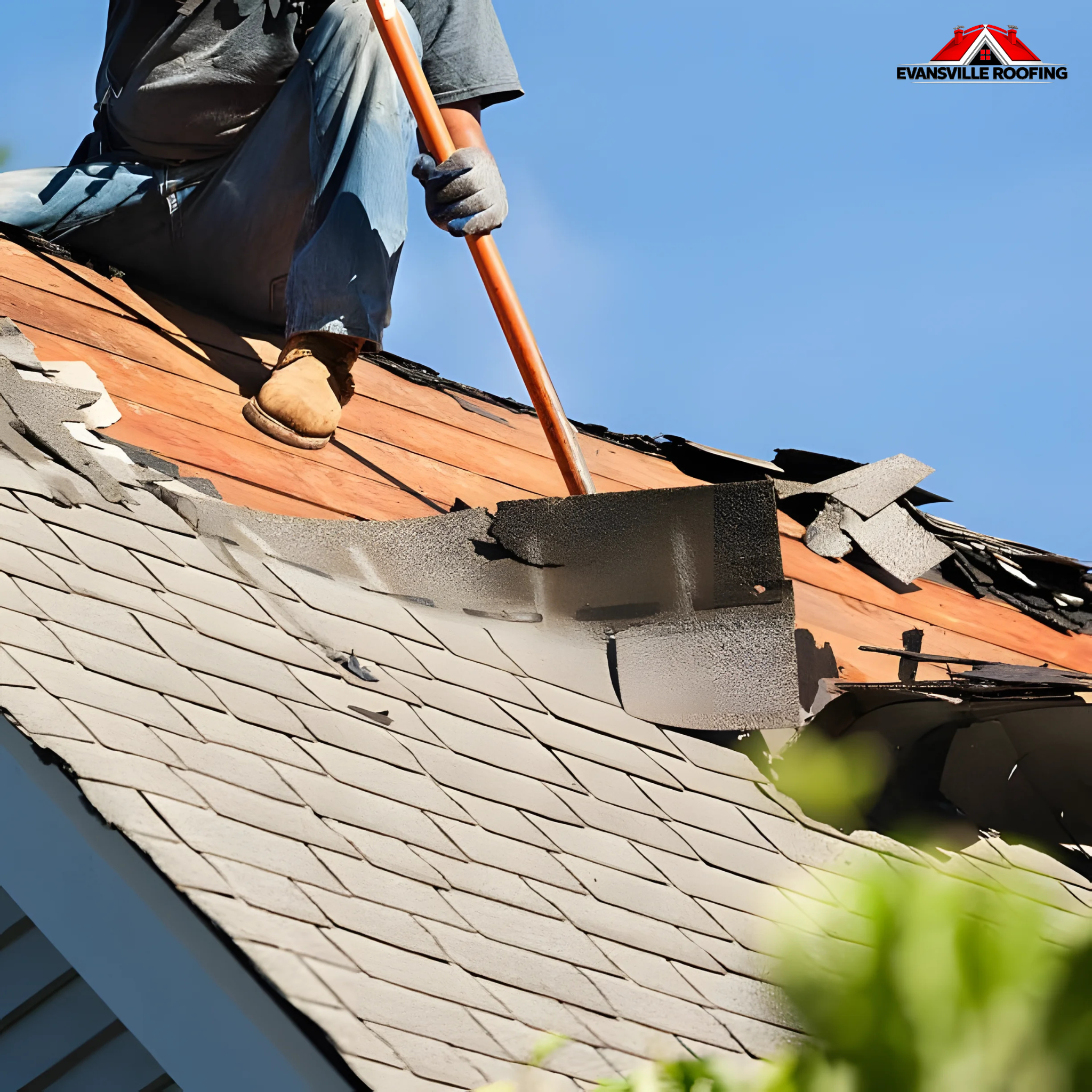
On installation day, crews remove the existing roof layers, including shingles, underlayment, and damaged flashing. Sometimes, sections of rotted decking are also removed. This stage sets the foundation for the new system because the contractor can finally assess the structure's condition underneath. A clean, properly stripped deck helps the new materials sit flat and perform as intended.
During removal, crews protect landscaping, siding, and walkways to minimize damage and debris spread. Dump trailers, tarps, and magnetic sweepers help keep the site under control. Although noisy and messy, this stage is crucial for building a roof that lasts. It also allows the contractor to uncover issues hidden during the inspection.
Deck Repairs and Structural Fixes
If the contractor finds soft decking, mold, or structural problems, these areas are repaired before new roofing materials are installed. This can involve replacing plywood, reinforcing framing, or improving ventilation pathways. Many homeowners are surprised to learn that the roof surface is only part of the system; the deck underneath is just as important. Without a solid deck, even high-quality shingles won't perform properly.
This is also the time when a contractor might suggest additional maintenance or repairs to surrounding roof components. If the issue is isolated and the rest of the system is sound, roof repair might suffice. But if damage is widespread, a full replacement is often the better long-term investment. The goal is to create a stable base so the new roof can protect your home for many years.
Installing the New Roof
Underlayment and Moisture Protection
After prepping the deck, the crew installs underlayment. This layer helps resist moisture that might get beneath the outer roofing material during wind-driven rain or snowmelt. Synthetic underlayments are becoming more common in 2026 due to their improved strength and moisture protection compared to traditional felt products. In colder climates, ice and water shields are also installed in vulnerable areas.
These upgrades matter because water issues often start in small, overlooked places. Industry updates show a growing preference for advanced underlayment systems that boost resilience under extreme weather conditions. If you're curious about how leaks can develop even when the roof looks intact, see why a roof can leak without heavy rain. Underlayment is a quiet hero in roof performance, adding a hidden layer of defense.
Flashing, Ventilation, and Roof Penetrations
Flashing is installed around chimneys, skylights, vents, walls, and other penetrations to direct water away from vulnerable joints. Proper flashing is crucial because most leaks occur where roof surfaces meet vertical structures or openings. At the same time, the contractor checks attic ventilation to ensure warm, moist air can escape. Balanced ventilation helps prevent condensation, heat buildup, and premature material failure.
For those interested in the science behind this, the U.S. Department of Energy provides helpful information on building ventilation and energy efficiency. A roofing system that combines good flashing with good ventilation performs better year-round. That's why experienced contractors treat these details as core parts of the installation, not optional add-ons.
Shingles or Final Roofing Material Installation
Once the foundation layers are ready, the final roofing material is installed. This might be asphalt shingles, architectural shingles, metal roofing, or another product based on your home’s design and budget. Crews follow manufacturer specifications closely, including nailing patterns, overlap requirements, and edge details. Precision is critical because even small installation mistakes can reduce the roof's lifespan.
In recent years, homeowners have increasingly chosen impact-resistant and Class A rated materials to improve storm performance. According to 2026 roofing trend reports, smart roofing systems and upgraded products are gaining attention because they combine durability with better monitoring and long-term value. If you're considering an upgrade for a new build or a major renovation, professional roof installation might be the right choice when replacement is part of a larger project.
What's New in Roofing for 2026
Smart Roofing Tech
One big change in roofing is the rise of smart systems. These might include moisture sensors, leak detection tools, temperature monitoring, and predictive alerts that help you catch issues early. The roofing industry is moving toward data-driven management, similar to other trades. Contractors are also using digital tools to improve scheduling, communication, and project tracking.
RoofRise AI’s trend analysis highlights increased contractor adoption of AI-driven scheduling and CRM systems to improve efficiency and customer service. This matters for homeowners because better operations often mean better communication and fewer delays. In an industry facing a labor shortage and growing demand for re-roofing, technology helps teams stay efficient without cutting corners.
Impact-Resistant Materials and Better Weather Protection
Weather resilience is another trend. More homeowners are requesting impact-resistant shingles, stronger fastening systems, and improved edge protection because severe storms are becoming more frequent. The roofing market continues to grow, with re-roofing accounting for a significant portion of revenue, showing how important replacement work has become. In this environment, choosing materials with better weather performance can add real value to your home.
For homeowners in storm-exposed areas, impact-resistant products and advanced underlayments can reduce maintenance needs over time. Savage Roofing’s industry update highlights increased use of synthetic underlayments and ice protection systems, both of which improve long-term durability. If your property has suffered repeated storm damage, replacement is a chance to build in better protection from the start.
Labor Trends and Contractor Efficiency
Industry experts note that roofing businesses are becoming more disciplined about project management. Roofing Contractor magazine reported that leaders are emphasizing operational efficiency and data-driven decision-making. At the same time, the labor shortage remains a challenge, with some industry sources noting that many roofing jobs are unfilled and that many roofers are nearing retirement age. This makes scheduling quality crews more valuable than ever.
For homeowners, these industry shifts mean that clear communication and planning are important. Booking early, understanding timelines, and choosing an experienced contractor can help avoid delays. It's one reason many people prefer to work with a local team that knows the region and has a consistent process for both repair and replacement work.
How Long a Roof Replacement Takes and What It Costs
Typical Timelines
Most full roof replacements take anywhere from a few days to about a week, depending on roof size, pitch, weather, and complexity. A smaller, straightforward roof may be completed quickly, while a large home with multiple valleys, dormers, or steep slopes can take longer. Weather delays are also common because crews must avoid working in unsafe conditions or during heavy rain. The timeline can also stretch if hidden structural issues are discovered after tear-off.
Good communication makes the process easier for homeowners. You should know when the crew plans to arrive, how long tear-off will take, and when installation and cleanup are expected. If the project is part of a larger property update, a replacement can be coordinated with maintenance or emergency follow-up through roof maintenance and roof tune-ups after installation is complete.
Cost Factors and Budget Planning
Costs vary widely based on materials, labor, roof size, tear-off complexity, and structural repairs. Nationally, replacement projects may range from around $5,000 to $15,000 or more, but larger or more complex roofs can cost significantly more. It's important to understand that the cheapest bid is not always the best value. A lower price may leave out important steps such as deck repair, upgraded underlayment, or proper flashing.
Budgeting should also account for the long-term benefits of a quality installation. A roof that performs well can help reduce energy waste, limit leak-related damage, and improve resale value. When replacement is done right, it can save money by avoiding repeated temporary fixes. That's why a detailed estimate and open discussion about material options are so important before work begins.
Final Inspection, Cleanup, and Warranty Review
What Should Happen Before the Job is Done
After installation, the contractor performs a final inspection to confirm that everything meets manufacturer requirements, local codes, and the company’s own standards. This review checks shingles, flashing, vents, ridge details, fasteners, and cleanup quality. A responsible contractor does not rush this stage because the final inspection is the last chance to catch small issues before they become costly problems.
The jobsite should also be cleaned thoroughly. Crews remove debris, sweep for nails, and make sure gutters, yards, and driveways are left in good condition. Homeowners should feel confident asking questions during this stage, especially if anything looks different from what was discussed earlier. A strong finish is a sign of a well-managed project.
Warranty and Follow-Up Support
Every homeowner should understand both the manufacturer warranty and the contractor warranty. The manufacturer covers material defects, while the contractor warranty usually covers installation workmanship. These protections matter because even premium products depend on proper installation. If anything seems off after completion, contacting the contractor quickly can prevent a minor issue from turning into a major one.
Homeowners should also keep records of material details, contract documents, and inspection photos. These records can be useful for insurance claims, resale value, or future maintenance planning. If you want to learn how roof issues can escalate and when you may need urgent help, it is worth reviewing emergency roofing services, so you know where to turn if a sudden issue appears after a storm.
Choosing the Right Roofing Contractor
What to Look For in a Roofing Professional
The contractor you choose has a major effect on the success of the project. Look for licensing, insurance, a strong local reputation, and examples of completed work. Good contractors explain the process clearly, answer questions patiently, and provide estimates in writing. They should also have a clear plan for safety, cleanup, communication, and warranty support.
It is also smart to choose a contractor who understands local weather patterns and building conditions. In places with strong storms and seasonal swings, a roofing team must know how to build for durability, not just appearance. When you are ready to speak with a team that values craftsmanship and communication, Evansville Roofing Company is prepared to help homeowners make informed decisions with confidence.
Why Local Knowledge Matters
Local experience can make a big difference in roofing performance. Contractors who work regularly in the area understand the wind, rainfall, temperature shifts, and storm exposures that roofs must withstand. They also know how to coordinate code compliance, material selection, and repair strategies that make sense for the region. That insight helps prevent common mistakes and improves long-term results.
If you live in a neighborhood where properties have similar age and storm exposure, a contractor may also be able to identify patterns faster during the inspection stage. That makes it easier to decide between repair, maintenance, or full replacement. For property owners who want a steadier long-term plan, the right contractor can also recommend a maintenance schedule after the new roof is installed.
Wrapping Up: Key Takeaways for Homeowners
Replacing a roof is a detailed process, but it doesn't have to be overwhelming. The project usually starts with inspection and assessment, moves through permitting and material selection, and then continues with tear-off, deck repair, underlayment, flashing, and final material installation. Once the work is complete, a final inspection, cleanup, and warranty review help ensure the new system is ready to protect your home for years to come.
Understanding the steps also makes it easier to compare contractors, spot red flags, and ask the right questions. Modern roofing trends such as smart monitoring, impact-resistant materials, and improved underlayment systems are making replacement projects more durable and efficient than ever. If your roof is showing signs of age, storm damage, or repeated leaks, now is the time to schedule a professional evaluation and plan ahead before the damage spreads.
To take the next step, connect with a trusted local team that can walk you through every part of the process. Whether you need inspection, repair, maintenance, or a complete replacement, Evansville Roofing Company is ready to help. Reach out today to protect your home with a roofing system built for long-term performance, weather resistance, and peace of mind.