Roof issues can be sneaky. At first, you might not even notice them because the damage is hidden, but once it starts affecting the inside of your home, things can go downhill quickly. Even a little leak or worn-out part of your roof can lead to stained walls, mold growth, higher energy bills, and structural damage. And it’s getting more expensive to fix these problems. According to the 2026 Verisk U.S. Roof Report, repair costs have jumped by 25% over the past few years, so it’s important to catch these issues early.
Knowing how your roof's condition can lead to interior damage helps you take action before things get out of hand. For more details on roof failures, check out our roof inspection and damage assessment service or our roof maintenance services. You can also find helpful resources at the National Roofing Contractors Association.
Why Roof Problems Show Up Inside First
Water Follows the Easiest Path
When your roof has issues, water doesn’t just fall straight down. It moves along rafters, insulation, and framing, making it tough to spot the exact problem. So, that stain on your ceiling might have started way on the other side of your home. This is why finding leaks often needs more than just a quick fix.
Even small leaks can cause big problems. Moisture from loose shingles or clogged gutters can slowly weaken your home’s materials. You might first notice discoloration or a musty smell, not a dripping ceiling.
Hidden Moisture Causes Major Damage
The moisture you can't see is often the most damaging. It can ruin insulation, drywall, and wood framing if left unchecked. What starts as a small roof repair can turn into a costly interior restoration if ignored.
Poor roofing details can result in damage even without obvious leaks. If you suspect hidden issues, getting a professional roof repair evaluation is a smart move, especially if problems keep cropping up despite small fixes.
Common Signs of Roof Damage Inside Your Home
Water Stains, Bubbling Paint, and Peeling Drywall
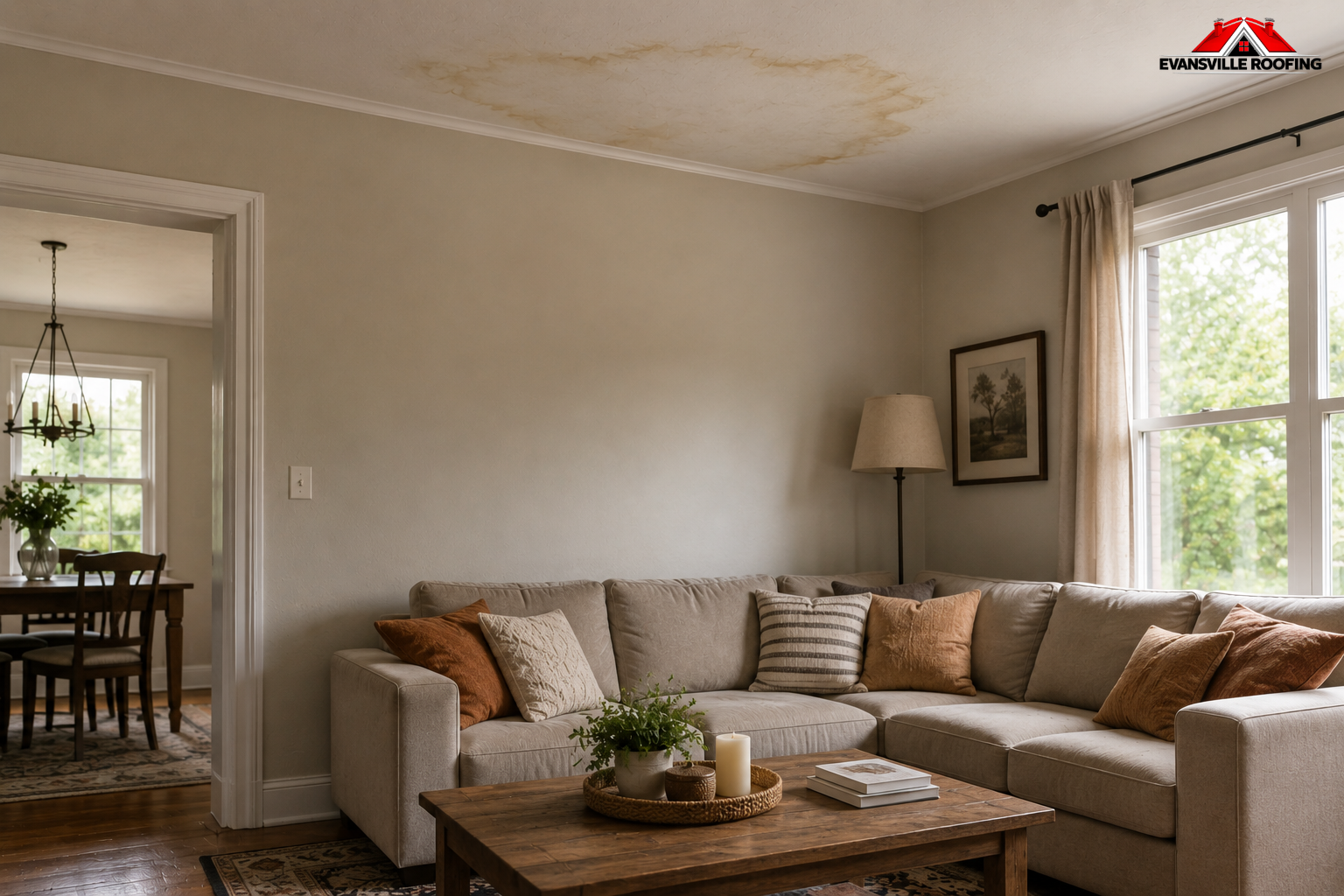
A telltale sign of roof-related damage is a stain on your ceiling or walls. These stains can be brown, yellow, or gray and may get worse with each rainfall. Over time, the area might blister, peel, or soften.
If you notice paint bubbling or drywall cracking, it might mean there’s moisture behind the surface, even if your roof looks fine from the street. If you've already seen these signs, check out our guide on unexpected roof leaks to understand more.
Musty Odors, Mold, and Indoor Air Quality
Moisture trapped inside can lead to mold, especially in attics and walls. A persistent musty smell is often a clue. The U.S. Environmental Protection Agency warns that mold can grow when moisture isn’t controlled, affecting both your property and air quality. See their guidance at the EPA website.
Even if you don’t see mold, it might still be affecting your home. Allergies, odors, or stuffiness can sometimes be linked to water intrusion from above. Treat roof problems as both a building and health concern.
Higher Utility Bills and Uncomfortable Rooms
Roof issues can mess with your home’s insulation and ventilation, making heating and cooling less efficient. Wet insulation loses its effectiveness, and air leaks can make your HVAC system work harder. You might notice certain rooms feel hotter, colder, or more humid.
These comfort issues often appear before a major leak is noticeable. If your attic traps heat or moisture, it might be due to ventilation and roof conditions. Our roof ventilation guide explains how airflow problems can affect both your roof and interior.
Common Roof Problems Leading to Indoor Damage
Damaged Shingles and Exposed Underlayment
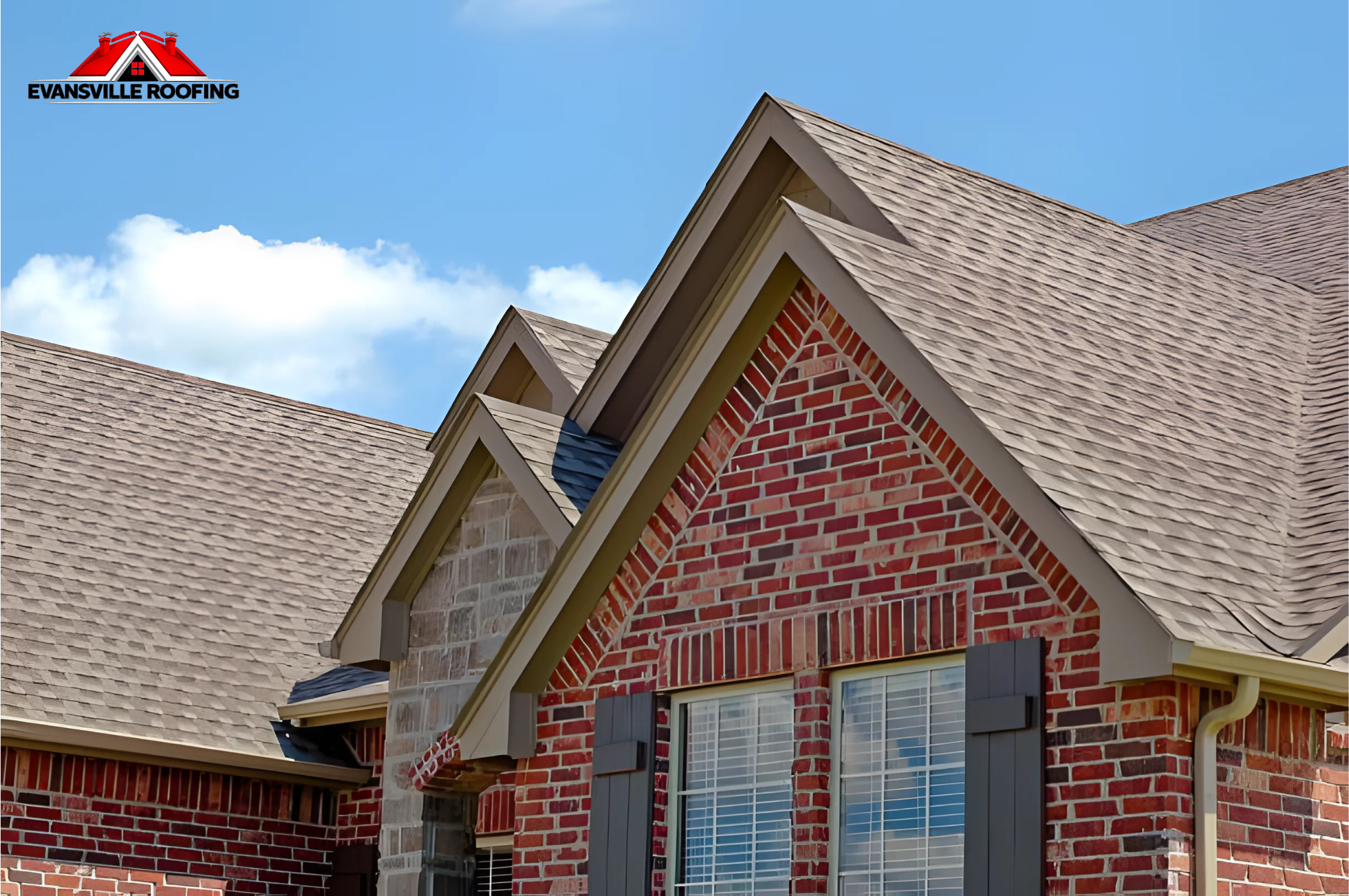
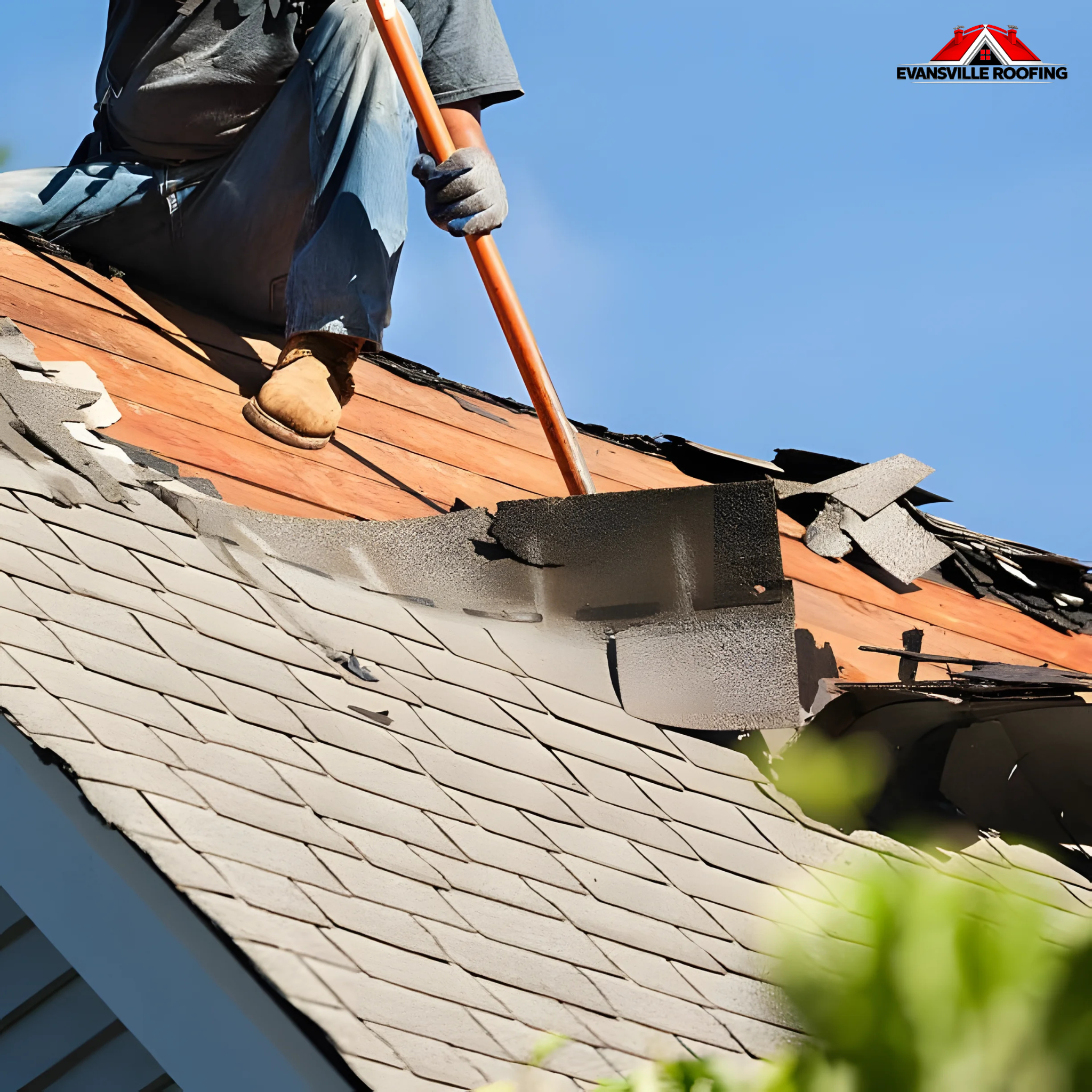
Shingles protect your roof, so if they’re missing or damaged, it’s easy for water to get in. Once the outer layer fails, moisture can reach deeper parts of the roof and spread before you see any damage inside. This is why shingle loss isn’t just a cosmetic issue.
If you see granules in your gutters or on the ground, it might mean your shingles are aging. For more details, check out our post on shingle loss. A timely inspection can help you figure out if it’s minor wear or the start of something more serious.
Flashing Issues Around Chimneys, Skylights, and Vents
Flashing seals the most vulnerable parts of your roof. If it loosens or cracks, water can sneak in and cause hidden damage. These leaks are dangerous because they often remain unnoticed for a long time.
Flashing problems can be hard to spot, so get an inspection after storms or if you notice repeated stains near chimneys or skylights. If the issue is active, our emergency roofing services can help protect your home until a long-term fix is in place.
Roof Valleys, Decking, and Ventilation Problems
Roof valleys handle lots of water and are prone to leaks. If valley materials wear out or get blocked, water can seep into your home. Damaged decking can spread moisture even further, creating more problems before you find the cause.
Ventilation issues can trap warm, moist air in the attic, leading to rot and mildew. To understand these areas better, check out our articles on roof valleys and roof decking.
What the Latest Data Says About Roof-Related Interior Damage
Costs Are Going Up
Roof damage costs are rising even when the weather's calm. The 2026 Verisk U.S. Roof Report shows that repair and replacement costs have increased a lot, meaning delaying fixes can be pricey. Small leaks today can turn into major expenses if left unchecked.
Preventive maintenance can save you money. A proactive inspection is usually cheaper than fixing soaked drywall and other damage from a long-term leak.
Quiet Storm Seasons Aren't Always Safe
Homeowners often think roof damage only happens after big storms, but that's not true. Age, heat, and poor installation can cause damage even in mild weather. Regular roof checks matter, not just after disasters. If your roof hasn’t been inspected recently, a professional inspection and damage assessment can find weak spots before they cause problems inside. Learn more in our storm damage roof check guide.
How Moisture Damage Affects Structure, Comfort, and Health
Structural Materials Can Weaken
Leaks can weaken your home’s structure over time. Wood framing and roof decking can warp or rot if moisture gets to them. If this happens, repairs often expand because the materials might not support the roof anymore.
Repeated cycles of wetting and drying are particularly destructive, stressing materials repeatedly. A roof that looks mostly okay from the outside might be causing damage underneath.
Indoor Air Quality and Health
Mold from moisture can cause headaches, coughing, and allergy symptoms, especially in kids, seniors, and those with asthma. The Centers for Disease Control and Prevention warns that damp environments promote mold growth, affecting indoor air quality. Visit cdc.gov/mold for more information. Ignoring a roof leak can turn it into a health issue as well as a property issue.
If you smell something musty or experience dampness, it might be time to look beyond just paint and drywall. A detailed roof inspection can figure out whether shingles, flashing, or ventilation are the problem.
Energy Efficiency Can Decline
Wet insulation and air leaks from roof issues can lower your home’s energy efficiency. This means you’ll need more energy to keep your home comfortable, leading to higher bills and more strain on your HVAC system.
Sometimes, the first sign of roof trouble is a dip in energy efficiency. If a room becomes harder to heat or cool, it might be due to roof aging or hidden leaks. Fixing the issue early can improve your home’s performance and protect materials.
Steps to Take When You Spot Roof-Related Interior Damage
Document the Problem and Protect the Area
If you see stains, bubbling paint, or mold, document it with photos and notes. This helps track patterns and is useful for contractors or insurers if it becomes a claim.
Protect the area by moving furniture and placing a container under drips. While temporary protection isn’t a fix, it can prevent further damage until you get a professional evaluation.
Schedule a Roof Inspection Quickly
When you see interior issues, schedule a roof inspection right away. Small problems inside can be due to bigger issues above, and acting quickly can save you money. Our roof repair team can pinpoint the source, assess the damage, and suggest practical solutions.
If you're in or around Evansville and want a thorough review, a professional inspection is especially useful after weather events. Consult trusted local contractors like B & S Roofing Inc. or Rock's Roofs, but always prioritize the quality of inspection and recommendations.
Know When Repair Isn’t Enough
Sometimes a repair is enough, but other times, a full replacement is needed. If there are multiple leaks, or the roof is old or structurally compromised, replacing it might be more cost-effective. Delaying can lead to ongoing restoration costs.
When a roof is too damaged for patching, a full roof replacement might be the best way to restore your home’s protection. For new builds or major upgrades, roof installation offers a chance to build durability from the start.
Real-World Example: Subtle Roof Failures Can Cause Major Damage
Midwest Homeowners' Experiences
In central Indiana, homeowners have faced significant damage due to subtle roof failures, not just obvious storm damage. Moisture slowly crept into homes, and by the time it was visible, the hidden damage was already extensive.
This case shows that roof leaks don’t always start with a big event. Small defects or failing flashings can silently compromise your home. That’s why experts recommend annual inspections and quick follow-ups on any sign of moisture.
Proactive Maintenance Makes a Difference
Regular maintenance can prevent a costly repair project. Cleaning debris from valleys, checking flashings, and addressing ventilation issues all help maintain your roof. For many, maintenance is the difference between a small repair and a big restoration.
Roof maintenance is crucial in humid or storm-prone areas, where materials age faster. If your home hasn’t been checked recently, our roof maintenance and tune-ups can help catch small issues before they turn into big problems.
FAQs About Roof Problems and Your Home
How Do I Know If My Roof Is Causing Interior Damage?
Look for stains, peeling paint, soft drywall, mold spots, or musty odors near upstairs rooms or attic access points. If these symptoms appear after rain or keep coming back, your roof is likely the culprit. Check for granules in gutters or visible shingle damage outside.
How Often Should I Have My Roof Inspected?
Schedule a roof inspection at least once a year and after major storms. Annual checks are especially important for older roofs or homes with complex rooflines. Seasonal inspections can catch problems before they affect your home's interior.
What Should I Do If I Smell Mold But Don’t See a Leak?
A musty smell might mean hidden moisture in the roof assembly or walls. Even if you can't see it, inspect the roof because the source might not be visible from inside. Consider checking attic ventilation and insulation conditions as well.
Does a Small Leak Really Matter?
Yes, even a small leak can cause big problems over time. It can stain surfaces, soak insulation, and create mold. A minor leak today can turn into a major repair if ignored, so it’s best to act early.
Protecting Your Home Starts at the Roof
Roof problems don’t just stay on the roof. They can affect your ceilings, walls, insulation, air quality, and even your home’s value. If you notice signs of moisture inside, investigate the roof right away.
If you suspect a roof issue is affecting your home, a professional evaluation is your next step. Evansville Roofing Company can help identify damage, explain repair options, and guide you on the best action. Whether you need a repair, inspection, or plan to protect your home, we’re here to help.
To schedule service or a consultation, explore our roofing solutions and act before a small problem becomes a major repair. Protect your home and comfort by addressing roof concerns early.