How to Spot Roof Ventilation Issues and Keep Your Home Safe
Rooftop ventilation might not be the first thing you think about, but it's crucial for keeping your home energy-efficient and your roof in good shape. Poor airflow in your attic can lead to all sorts of problems like higher energy bills, damaged shingles, mold, and even structural issues. Wondering if your roof is getting the airflow it needs? Let’s dive into the signs, why they matter, and when to call in a pro for a roof inspection and damage assessment like our roof inspection and damage assessment.
For homeowners, this is a big deal because ventilation problems sneak up slowly and quietly. By the time you notice something’s wrong, your attic and roof might already be stressed. The National Roofing Contractors Association says that good ventilation can cut attic temperatures by up to 50°F. This helps keep cooling costs down and makes your roof last longer. For more on attic design and moisture management, check out the U.S. Department of Energy's guide on home efficiency at energy.gov. The American Society of Home Inspectors also emphasizes the importance of balanced airflow.
Why Roof Ventilation Is More Important Than You Think
It Keeps Your Attic Temperature in Check
A well-ventilated attic stays close to the outside temperature, which prevents your shingles from baking from below. In summer, trapped heat makes your air conditioner work overtime. In winter, a poorly ventilated attic traps warm air and moisture, leading to condensation and ice dams. Keeping things balanced is key to energy efficiency and a long-lasting roof.
It Guards Against Moisture Damage
Moisture is a big enemy of roofs. When warm air from your home gets trapped in the attic, it can condense on cooler surfaces like roof decking and insulation. This can lead to mold, mildew, rust, and wood rot over time. The Environmental Protection Agency advises controlling indoor moisture to prevent mold, and attic ventilation is a great starting point. If you're also dealing with roof leaks, our roof repair services can help tackle the problem before it gets worse.
It Prolongs Roof Material Life
Heat and moisture age roofing materials faster than they should. Shingles can dry out, curl, or crack, and protective granules can be lost. Underlayment and roof decking also wear out faster with constant condensation. Industry reports suggest that roofs with good ventilation can last up to 25% longer, making it a smart investment. In fact, proper airflow is just as important as the roofing material itself.
Signs Your Roof Ventilation Might Be Lacking
Hot Attic
The most obvious sign of poor roof ventilation is a scorching hot attic, especially in warm months. If your attic feels like a sauna, air isn't moving as it should. This heat can also decrease the lifespan of your insulation, wiring, and roofing components.
Moisture, Stains, or Mold in the Attic
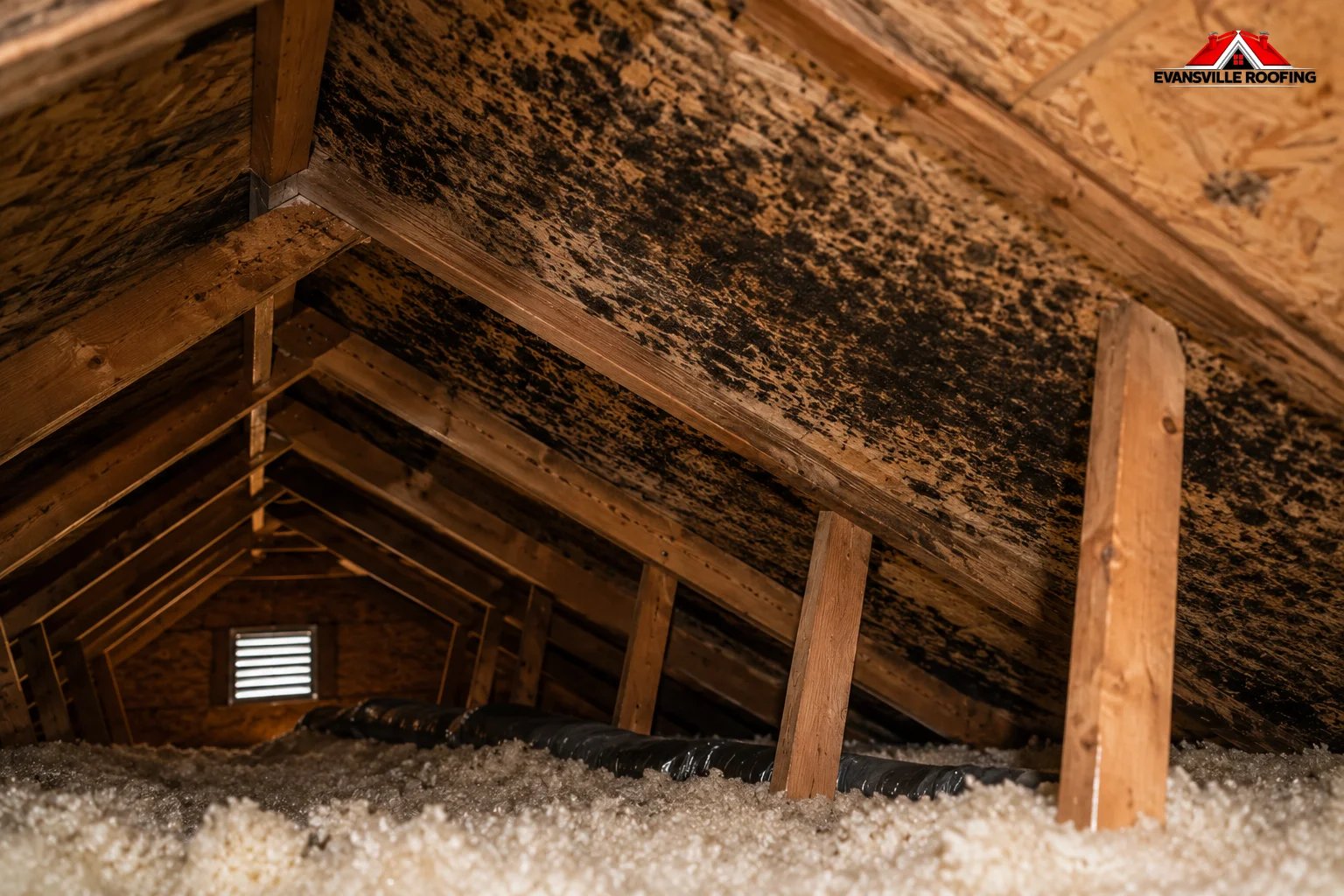
Dark stains on roof decking, rust on nails, damp insulation, or visible mold are big red flags. These often mean moist air is stuck in the attic instead of escaping. Sometimes, a musty smell is a clue. If you've already spotted damage, a professional roof maintenance and roof tune-up visit can help figure out if the ventilation system or insulation needs fixing.
Skyrocketing Energy Bills
If your attic overheats, your cooling system has to work harder, and you'll see that reflected in your energy bills. Proper attic ventilation can cut cooling costs by up to 10% because it helps keep roof temperatures lower. If your bills have spiked without a clear reason, poor ventilation might be the culprit.
Ice Dams and Winter Condensation
Poor ventilation in winter can cause uneven roof temperatures, leading to ice dams. Warm attic air melts snow on the roof, which refreezes at the edges, trapping more water. This water can seep under shingles and into your home. If you live in a place with cold winters and humid summers, this seasonal cycle is a big reason to get your ventilation right. Learn more about roof system failures in our article on roof valleys and common failure points.
How Balanced Ventilation Works
Intake Vents Bring in Cool Air
Balanced systems use intake vents, usually at soffits or eaves, to draw in cooler outside air. This sets the stage for circulation throughout the attic. Without enough intake, exhaust vents can't do their job because there's no replacement air.
Exhaust Vents Let Hot, Moist Air Escape
Exhaust vents are usually near the roof's ridge, where warm air naturally rises. Ridge vents are super effective because they promote steady airflow across the attic. Box vents or turbine vents are also options, depending on your roof design. The key is balance: intake and exhaust should work in harmony.
Insulation and Ventilation Must Team Up
Many folks think more insulation fixes heat issues, but insulation and ventilation do different things. Insulation slows heat transfer, while ventilation removes heat and moisture. If insulation blocks soffit vents, the system won't work as well. This is why planning matters, especially when installing a roof on a new build or replacing an old roof.
Ways to Check for Ventilation Problems
Inspect the Attic in Different Weather
Check your attic on a hot day and again after a cool night or rain. A big temperature difference may mean heat isn't escaping properly. Look for condensation on nails, darkened wood, or sagging insulation. A quick look can reveal patterns you might miss from the ground.
Look for Blocked Vents
Soffit, ridge, and gable vents can get blocked by insulation, debris, nests, or old roofing material. Check from outside to see if vents look painted over or clogged. Inside, make sure insulation hasn't slipped into the soffit openings. If airflow is blocked, the system can't function as it should.
Watch for Uneven Roof Aging
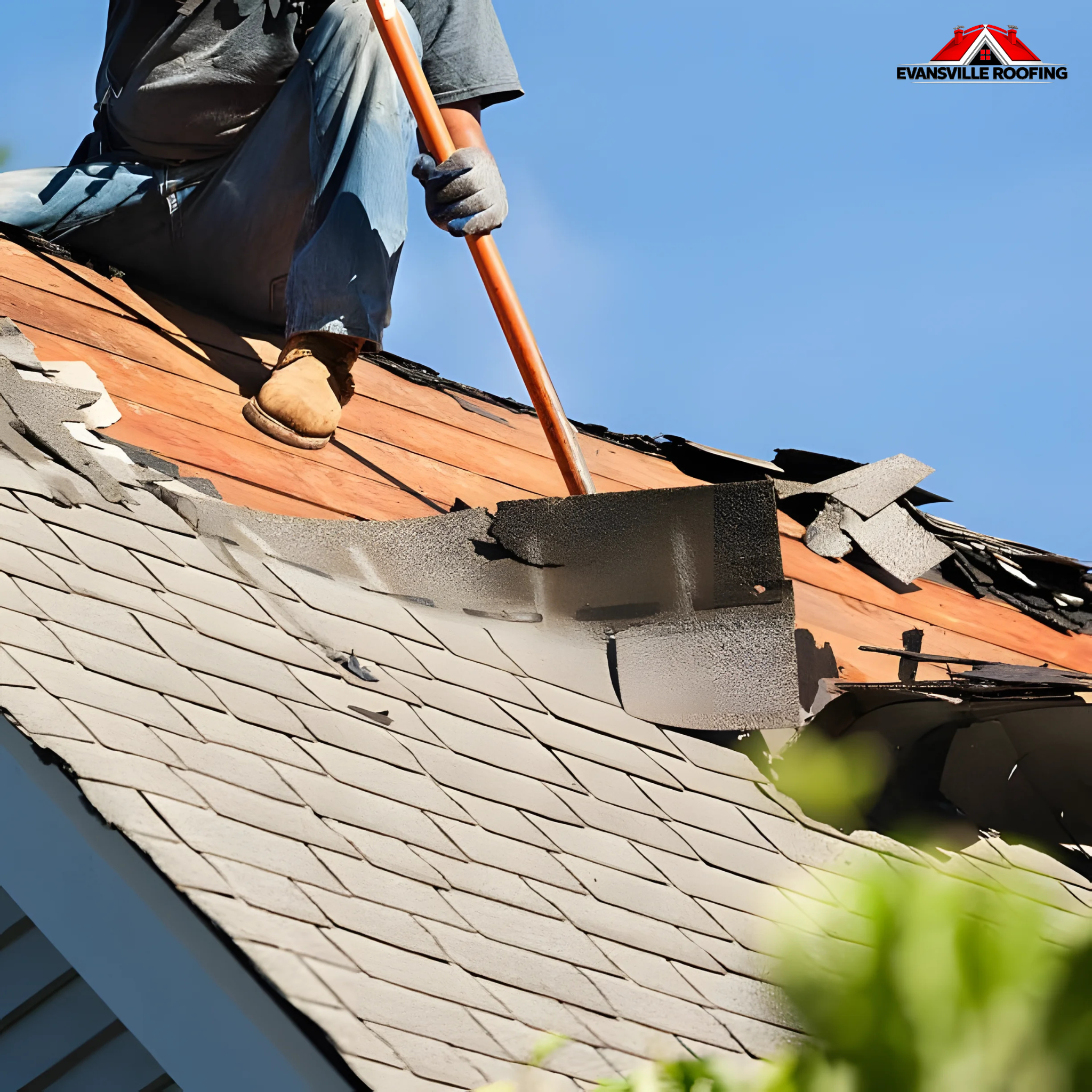
Poor ventilation often shows up on the roof itself before major leaks appear. Shingles may curl, granules may collect in gutters, or the roof deck may warp from heat. If certain areas wear out faster, that can signal a circulation issue beneath. The roof might need more than repairs, possibly a broader assessment through our roof replacement options.
What Research Says About Energy, Mold, and Roof Life
Energy Efficiency Gains
Ventilation doesn't replace insulation, but it helps the whole roofing system handle heat better. When attic temperatures drop, less heat radiates into your home, making your cooling system run more efficiently. The U.S. Department of Energy says that reducing attic heat gain is crucial for improving home energy performance.
Mold Risks Drop with Good Ventilation
Ventilation plays a major role in moisture control, which is central to mold prevention. Homes with proper attic ventilation are reported to be 50% less likely to have mold growth, because stagnant humid air has fewer opportunities to condense on cold surfaces. If mold or leaks are already present, emergency help might be needed through our emergency roofing services.
Roof Materials Last Longer
Shingles, flashing, fasteners, and decking all do better when attic conditions are stable. Excess heat dries materials out, while excess moisture corrodes metal and weakens wood. Over time, savings from avoided premature repairs can outweigh the cost of adding or improving ventilation. That's why many contractors treat ventilation as part of a complete roof health strategy.
Local Climate Tips for Homeowners
Hot, Humid Summers Need Strong Airflow
In a place like Evansville, IN, summer heat and humidity can make attic conditions harsh. Homes in this type of environment need enough ventilation to remove trapped heat and moisture before they damage roof components or push cooling costs higher. If a ventilation system was designed for a different climate, it may not perform well locally. This is why a local roofing contractor can be helpful, because regional weather patterns influence roof design decisions.
Cold Winters Can Create Condensation and Ice
Winter is just as important as summer when it comes to roof airflow. Warm indoor air can escape into the attic, where it condenses and creates dampness if ventilation is weak. That moisture can lead to rust, mold, or ice dam formation along the eaves. A strong ventilation system helps keep attic temperatures more uniform, reducing the likelihood of that freeze-thaw cycle.
Storms Can Worsen Hidden Problems
Wind-driven rain, hail, and storm damage can affect vent covers, ridge openings, and flashing details. After severe weather, it's wise to include ventilation in any roof damage check, not just missing shingles. Our storm damage roof check guide explains how to spot issues that are easy to miss, including components that may have shifted or cracked during a storm. A thorough inspection after weather events helps prevent small ventilation issues from turning into larger roof repairs.
Real-Life Examples
Balanced Ventilation Cuts Cooling Costs
One homeowner in Wisconsin saw a 15% drop in cooling costs after adding ridge and soffit vents. The key was creating a complete airflow path instead of relying on a single exhaust solution. Even in moderate climates, energy savings can add up over time.
Poor Ventilation Led to Mold in Ohio
A family in Ohio found major mold growth in their attic due to poor airflow. The damage wasn't obvious inside the home, but once the attic was checked, condensation, staining, and damaged insulation were clear. Upgrading the ventilation system helped solve the moisture problem and cleared the mold issue.
Professional Checks Catch Hidden Problems Early
Many homeowners think that if there are no leaks, the roof is fine. But ventilation problems can weaken the system long before a leak appears. That's why a professional inspection is so valuable, especially when combined with routine maintenance. Our roof maintenance and roof tune-ups can catch these hidden issues early, when they're cheaper and easier to fix.
When to Call a Roofing Pro
If the Attic Smells Musty or Looks Damp
A musty smell often means moisture has been lingering in the attic too long. If you also see damp insulation, stains, or mold, bring in a roofing professional. The issue might involve more than just ventilation, and the roof structure could need a closer look.
If Energy Bills Rise Without Explanation
Higher summer utility costs can suggest the attic is trapping too much heat. While HVAC issues and insulation gaps can also play a role, poor ventilation is often part of the picture. A pro can evaluate vent placement, airflow balance, and attic conditions to see if the roof system is adding strain to your home.
If Your Roof Is Aging or Nearing Replacement
Older roofs are more vulnerable to heat and moisture, making ventilation even more important as the system ages. If shingles are curling or granules are thinning, it may be time to assess whether ventilation is contributing to early wear. When a roof isn't in great shape, a complete roof repair or eventual replacement may be necessary.
Common Questions About Roof Ventilation
How Often Should I Inspect Roof Ventilation?
At least once a year and after major storms, check the attic and roof ventilation system. Seasonal checks help because problems often show up during extreme heat or cold. If you're scheduling roof maintenance, ask the contractor to look at airflow and vent balance.
Can I Improve Ventilation Myself?
Clearing obstructions or checking vents can sometimes be a DIY task, but adding, resizing, or relocating vents should usually be left to a professional. Ventilation systems need to be designed for your specific roof structure, attic volume, and climate.
What if My Roof Has Vents But Still Seems Hot?
Vents don't always mean the system's working right. The attic might have too little intake, too little exhaust, or blocked openings. Vent placement itself could be the issue. A professional assessment can determine if the setup is undersized, unbalanced, or outdated.
Smart Maintenance Starts with Protecting Your Roof
Keep Vents Clear and Visible
As part of routine roof care, make sure vents stay unobstructed and in good condition. Leaves, nests, dust, and insulation can all reduce airflow. Small issues are easier to fix early, which is why regular maintenance is so valuable.
Coordinate Ventilation with Roofing Plans
If you're planning a new roof, repairs, or upgrades, make ventilation part of the conversation from the start. Choosing the right materials is just one part of the decision. The roof system also needs to manage heat and moisture over the long term. For more guidance on how weather and home style affect roof choices, see our article on choosing roofing materials for climate and home design.
Get Expert Help Before Small Signs Turn into Big Problems
Poor roof ventilation affects energy bills, insulation performance, mold risk, roof life, and your home's structural health. If you've noticed attic heat, moisture, high cooling costs, or early roof aging signs, the next step is to schedule a professional evaluation. For homeowners in the Tri-State area, Evansville Roofing Company can help identify the cause, explain your options, and recommend solutions that fit your home and budget.
Whether you need inspection, repair, maintenance, or a new system design, addressing ventilation early can save money and prevent major headaches later. Ready to protect your home and improve roof performance? Contact Evansville Roofing Company at 812-461-6336 or visit our website to learn more about our services and request an estimate.