Keeping Up with Complex Roofs
Taking care of complex roof structures is a smart move for any property owner. Roofs with lots of slopes, valleys, dormers, and skylights need more than just the occasional check; they thrive on regular inspections, repairs, cleaning, and a bit of preventive care to stay in good shape. Whether you're dealing with a commercial building, a multifamily property, or a home with intricate roof lines, understanding the upkeep essentials can help you avoid pricey emergencies and make your roof last longer.
For those interested in a more structured approach, services like roof inspection and damage assessment and roof maintenance and tune-ups are great starting points. They help establish what's working well, what needs attention, and what might need fixing before minor issues turn into major headaches. The National Roofing Contractors Association points out that proactive maintenance goes a long way in extending a roof's lifespan, while neglect is often the culprit behind many avoidable failures. You can explore more roofing tips from the NRCA and safety advice from OSHA.
Why Complex Roofs Need Special Care
More Parts, More Potential Problems
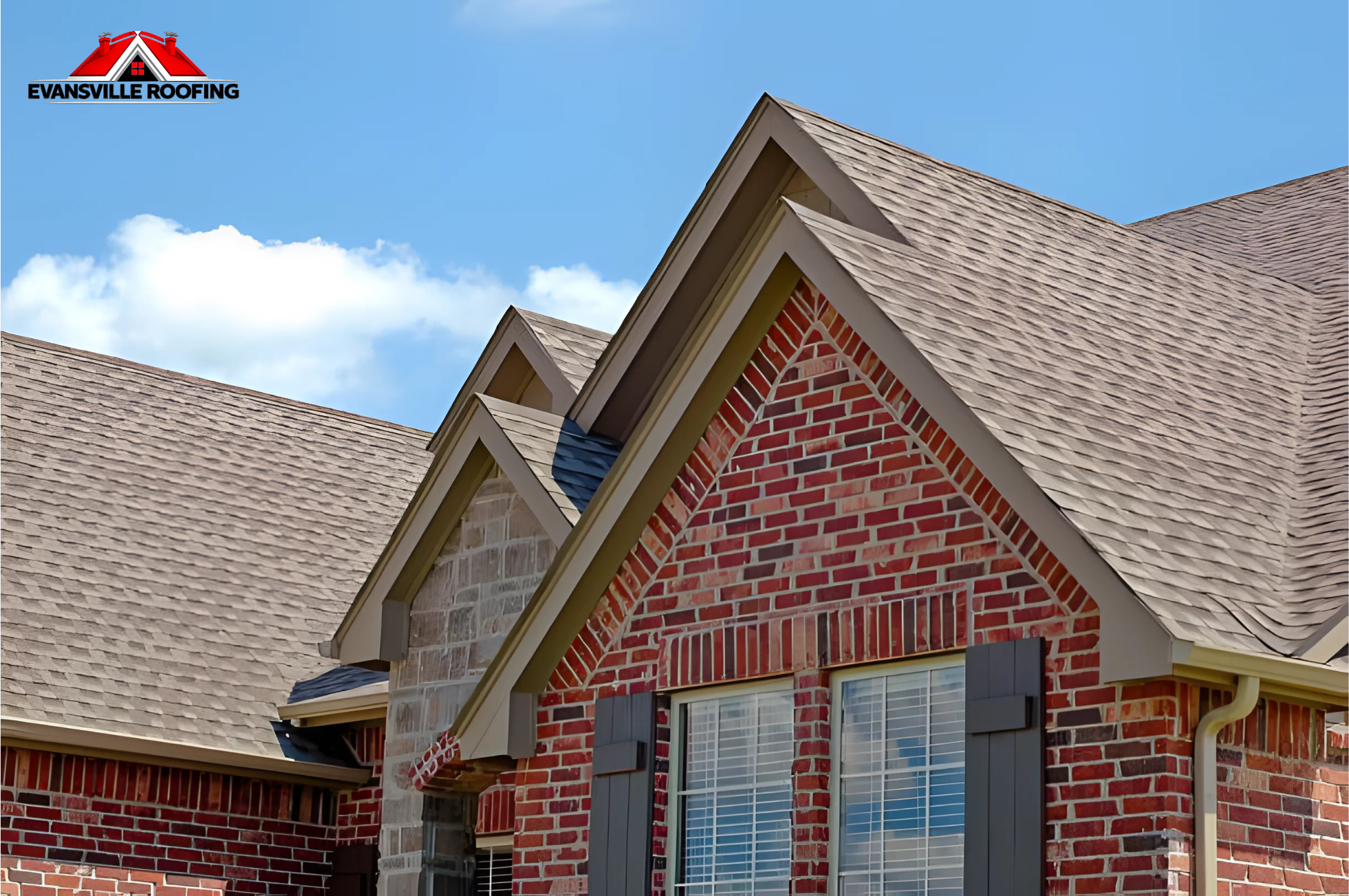
Simple roofs have fewer seams and spots where water can pool. Complex roofs, however, feature intersections and details that wear out at different rates. Valleys, flashing lines, roof-to-wall connections, and penetrations for vents or HVAC equipment all need close monitoring. With more complexity, a neglected detail can quickly turn into a leak.
That's why many owners pair regular maintenance with roof repair and roof installation services when a roof is new or recently upgraded. This isn't just about fixing visible damage—it's about preserving the whole roofing system's integrity. A well-installed system is easier to maintain, and an aging system benefits from quicker intervention and better documentation.
Weather Wears Things Down
Complex roofs often collect water, debris, snow, and endure wind stress in specific areas. A small crack in the flashing or a loose shingle can become a bigger problem after a stormy season. Over time, exposure to heat, cold, ice, and rain breaks down sealants and weakens fasteners. The roof might look fine from the ground while hidden damage spreads.
In areas with seasonal temperature swings, like Evansville, this is crucial. Thermal expansion and contraction put repeated stress on joints and materials. That's why many experts recommend checking vulnerable areas twice a year and after major weather events. To get a deeper understanding of common warning signs, check out why your roof might look fine but still need repairs.
Building a Strong Maintenance Plan
Regular Inspections and Keeping Records
Routine inspections are the backbone of any solid maintenance plan. Most experts suggest a thorough inspection at least twice a year, usually in spring and fall, plus after big storms. During an inspection, a roofing pro looks for damaged shingles, lifted flashing, clogged drainage points, and signs of interior leaks. Good inspections also come with photo documentation so you can track changes over time.
Documentation is especially useful for commercial roofs, as it creates a clear history of conditions, repairs, and material performance. That record can aid in budgeting, insurance claims, and long-term planning. If a problem crops up later, having dated notes and images makes it easier to tell if a defect is new or part of a longer pattern.
Cleaning and Controlling Drainage
Debris is often underestimated as a threat to complex roofs. Leaves, sticks, and grit can block drains, gutters, and valley channels. When water can't move properly, it backs up into seams and causes failure. Flat or low-slope sections are especially prone to ponding, while steep sections can suffer when drainage pathways are blocked.
Cleaning isn't just about looks; it's about protecting the building. Roof drains should stay clear, gutters flushed, and any buildup around skylights or transition points removed promptly. If water-related symptoms are already visible, the article on why your roof can leak without heavy rain can help you understand how drainage issues lead to unexpected leaks.
Prompt Repairs That Match the Roof
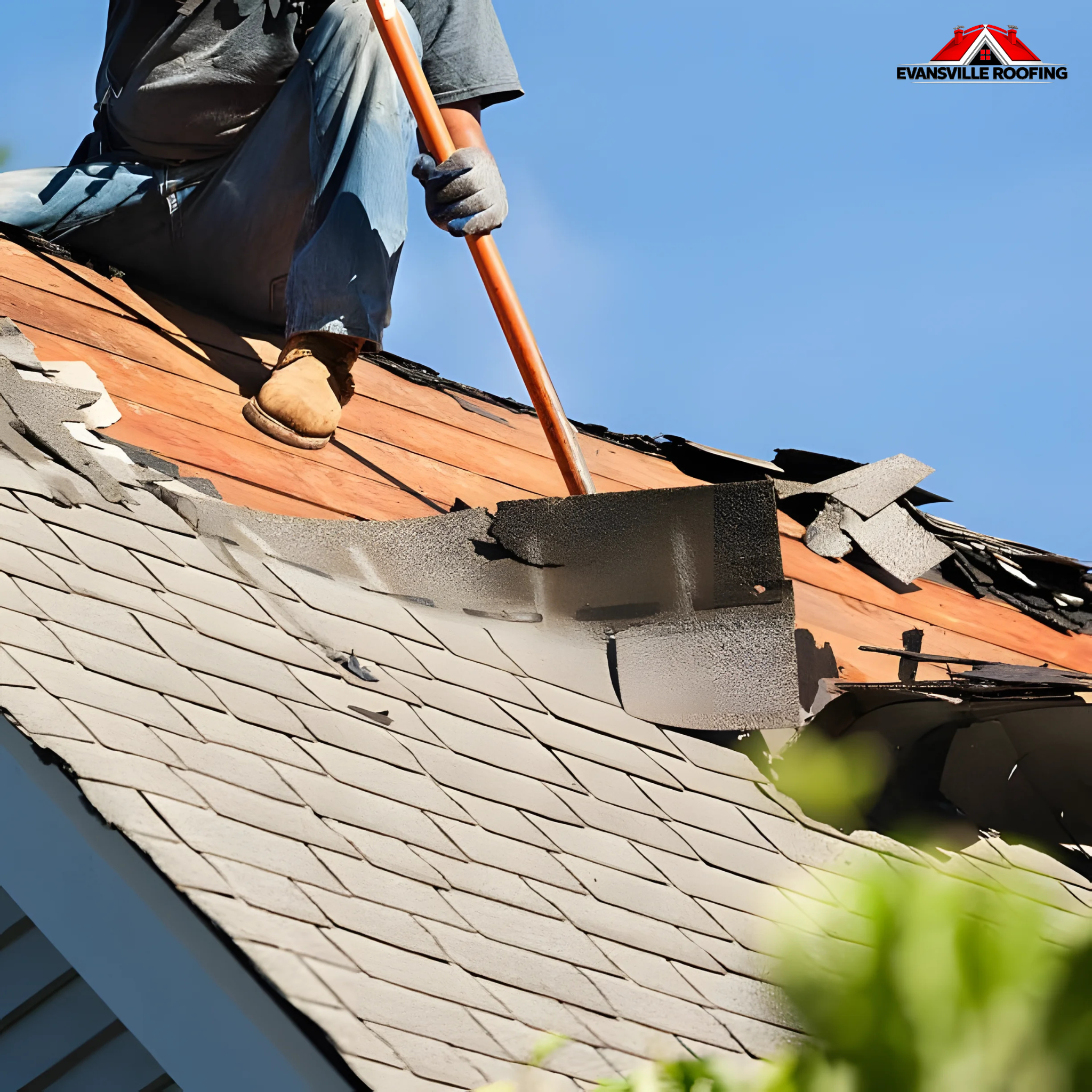
Maintenance works only if repairs are done quickly and correctly. Delaying a minor repair lets moisture spread, insulation get saturated, and structural components deteriorate. Complex roofs often need targeted work like flashing replacement, shingle replacement, or valley reinforcement. Each repair should match the existing roofing system for compatibility.
Experience matters here. A small patch might seem simple, but the wrong material or technique can shorten the repair's life. Pros consider slope, material type, ventilation, underlayment, and local weather before recommending a solution. For storm damage, emergency roofing services can prevent a manageable issue from becoming structural damage overnight.
New Roofing Trends for Longevity
Cool Roofing and Energy Efficiency
Cool roofing materials are gaining popularity. They're designed to reflect more sunlight and absorb less heat, which can help reduce cooling loads and improve indoor comfort. In hot seasons, less heat buildup means less thermal stress on roofing materials, supporting longer service life and lower energy bills.
The U.S. Department of Energy notes that reflective roofing can cut cooling demand in warmer climates, especially on buildings with large roof surfaces. You can learn more from their cool roof guidance. When planning upgrades, choose materials for both durability and performance under local climate conditions.
Using Drones for Safer Inspections
Drone technology has changed how contractors inspect roofs. Instead of relying only on ladders, inspectors can now capture high-resolution images safely and efficiently. Drones are especially useful for roofs with tough access or elevated risk, as they reduce the need for foot traffic on fragile surfaces.
Drones don't replace skilled judgment but improve the quality and speed of assessments. A contractor can review images, spot anomalies, and then plan a more targeted inspection. This reduces unnecessary disturbance and improves documentation quality. It's one more reason to schedule a detailed roof inspection and damage assessment instead of waiting for leaks.
Better Membranes, Coatings, and Attachments
Manufacturers keep improving roofing membranes, sealants, fasteners, and coatings. These advances matter because complex roofs rely on many connected parts. A stronger membrane or more durable coating can provide better resistance to UV exposure and ponding water. Better attachment systems can also help resist uplift in storm-prone areas.
Even the best materials need proper installation. Detailing around penetrations and transitions is essential. When comparing options for an upgrade, a conversation about choosing roofing materials for climate and home design can help you balance appearance, performance, and budget.
What Pros Look for During an Inspection
Flashing, Seams, and Penetrations
Flashing is one of the first things checked on a complex roof. These metal transitions protect where roofing meets walls, chimneys, skylights, vents, and changes in plane. Flashing often fails before the rest of the roof. Inspectors look for lifted edges, corrosion, gaps in sealant, and signs of water entry.
Seams and penetrations need similar attention. A roof can have perfect shingles but fail due to a compromised vent boot or weakened seam. Pros know how to trace water paths, which is why hidden leaks are often found far from visible stains. Internal ceilings and attic spaces should be checked every time.
Ventilation and Attic Conditions
Ventilation is key for roof longevity, especially on roofs with multiple sections. Poor airflow traps heat and moisture, degrading underlayment and warping decking. During inspection, pros look for balanced ventilation, signs of condensation, and damage from overheated attic conditions.
For more on this, check out the article on how to spot roof ventilation issues and keep your home safe. Good ventilation not only protects the roof but also helps HVAC systems work better and boosts comfort.
Structural Movement and Substrate Health
Complex roofs can hide deck or support structure problems before the outer layer shows damage. Inspectors look for sagging lines, soft spots, nail pops, and moisture-related deterioration in the substrate. Compromised deck means surface repairs may only be temporary.
A skilled contractor can tell if a property needs simple repair, partial restoration, or a broader solution. For more on the deck, see the ultimate guide to roof decking and why it matters. A healthy deck is the foundation of a successful roofing system.
Common Problems on Complex Roofs
Leak Sources That Go Unnoticed
Common issues include failed sealants, open seams, cracked pipe boots, and debris buildup. These might not cause immediate interior damage but allow slow moisture intrusion. Once water enters, it travels along framing and insulation before becoming visible. This delay makes the source harder to find and fix.
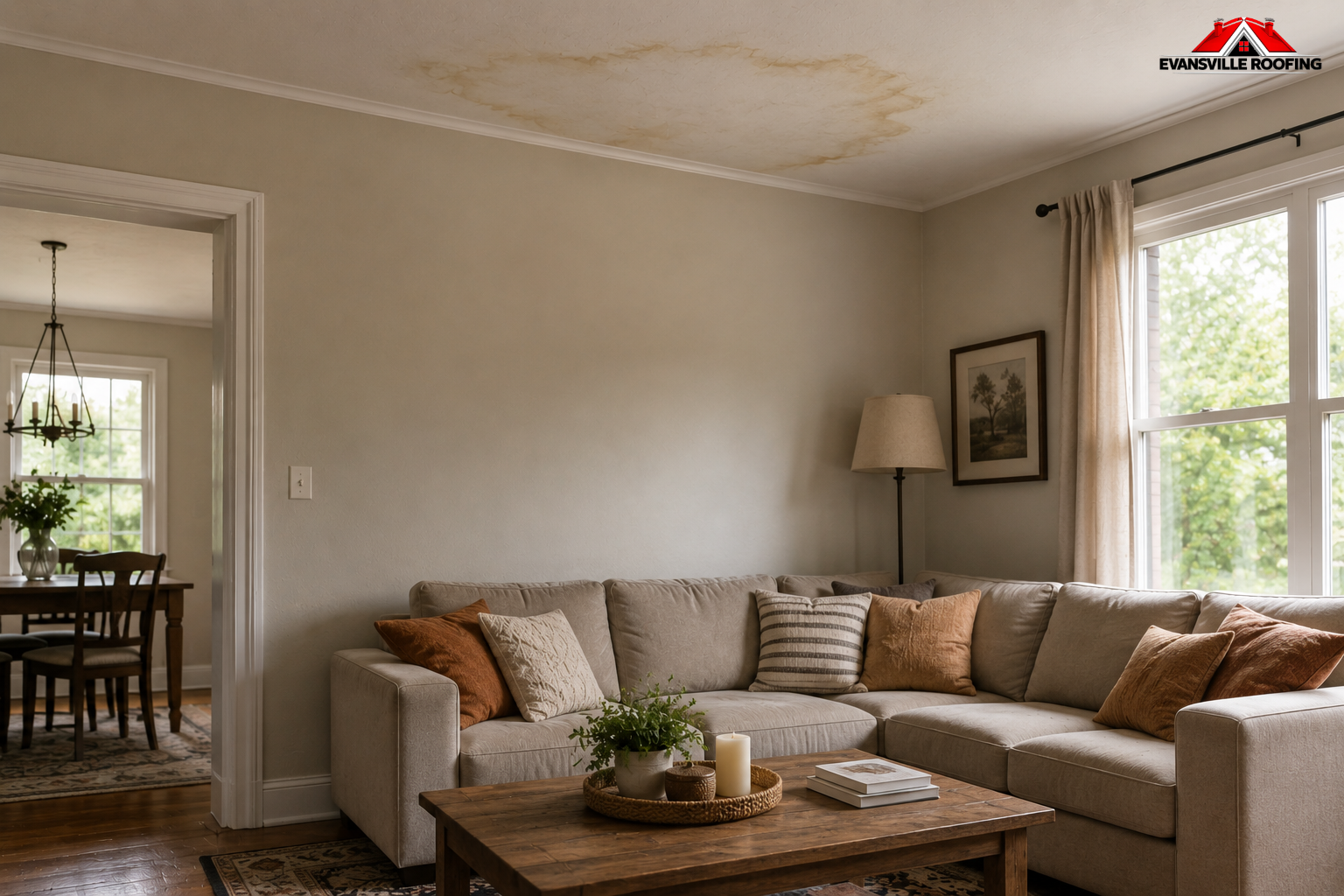
Leaks don't just happen in heavy storms. Light rain, wind-driven moisture, and melting snow can exploit hidden weaknesses. If you see damp ceilings or recurring stains, the guide on how roof problems can affect the inside of your home explains why small defects can have major consequences.
Storm and Wind Damage
Storms can loosen shingles, lift flashing, dent metal parts, and scatter debris. On complex roofs, wind creates pressure changes that worsen weaknesses. Hail can shorten the life of protective granules, making materials more vulnerable. After severe weather, a prompt inspection helps protect the building.
Damage is often visible only to trained eyes. A professional review can tell the difference between cosmetic wear and functional harm. If your roof has faced recent storms, schedule both a visual assessment and a deeper look at vulnerable sections.
Moisture, Mold, and Interior Impact
Ignoring roof problems lets moisture damage insulation, drywall, and finishes. This is especially concerning in buildings with complex layouts where water moves unexpectedly. Damp materials encourage mold growth, affecting air quality and comfort.
Regular maintenance cuts these risks significantly by stopping water intrusion early. According to the NRCA, poor maintenance accounts for many roof failures, while preventive care adds years of life. That's why many owners schedule roof maintenance and tune-ups regularly instead of waiting for visible damage.
Real-Life Roof Care Example
How a Large Building Stayed Efficient
The University of Southern Indiana’s Center Expansion Tower project shows how effective roof management supports durability and energy performance. This project illustrates how planning, quality installation, and ongoing care work together on complex structures. Roofing on such buildings must handle layers of performance, including drainage, insulation, and weather resistance.
This project shows that complex roofs aren't one-size-fits-all. The best results come from informed material choices, careful installation, and a maintenance plan that continues after construction. The takeaway for building owners? The roof isn't a set-it-and-forget-it asset.
Local Climate's Role in Maintenance
Climate is always part of the maintenance puzzle. Hot summers, cold winters, and storms wear down roofing components. In places like Evansville, these conditions can be demanding, so maintenance should be proactive. Even stable-looking roofs can develop stress points after repeated weather cycles.
That's why many owners choose a local partner familiar with regional conditions for practical maintenance advice. Working with an experienced roofing contractor in Evansville ensures inspections, repairs, and upgrades match local realities. For broader support, see the piece on the roofing adventure from start to finish to understand how a well-managed project builds confidence from start to finish.
Know When to Repair or Replace
When a Repair Might Do
Localized damage like a small flashing defect or missing shingles may just need repair if the surrounding roof is in good shape. Catching the problem early is key. If the roof system is healthy, targeted repairs can restore performance without a big investment.
But don't base the decision solely on appearance. Consider age, past repairs, moisture history, and hidden damage. A professional inspection is the safest way to decide if a repair is wise. If unsure, start with a detailed assessment.
When Replacement Is Smarter
Replacement becomes appealing when damage is widespread, leaks recur, or the roof nears the end of its life. If the roof has been patched repeatedly or the decking is compromised, ongoing repairs might just delay the inevitable. A full replacement can improve performance and reduce long-term risk.
For a structured look at this decision, check out Understanding the roof replacement process. Knowing what to expect helps plan budgets, minimize disruption, and choose the right materials.
Emergency Action Steps
If you find active leaks, saturated insulation, or storm damage, act immediately. Move valuables, contain drips, and contact a pro right away. Delays can turn a manageable problem into a bigger hazard. In urgent cases, emergency response can prevent wider damage until permanent repairs are done.
Having a trusted roofing contractor ready before an emergency happens helps. Knowing who to call reduces confusion and speeds up response time when sudden issues arise. Being prepared allows faster action, better protection, and lower repair costs.
Build a Maintenance Routine That Works
Set a Seasonal Schedule
The most practical maintenance plan is a seasonal one. In spring, check for winter damage, loose flashing, and clogged drainage. In fall, clear debris, inspect sealants, and prepare for cold weather. After hail, high winds, or heavy rain, add an extra review.
A simple schedule helps owners stay ahead of trouble instead of reacting. For commercial properties, integrate this routine into facility management. For homeowners, phone reminders can keep inspections from slipping through the cracks.
Get Professional Help for Complex Tasks
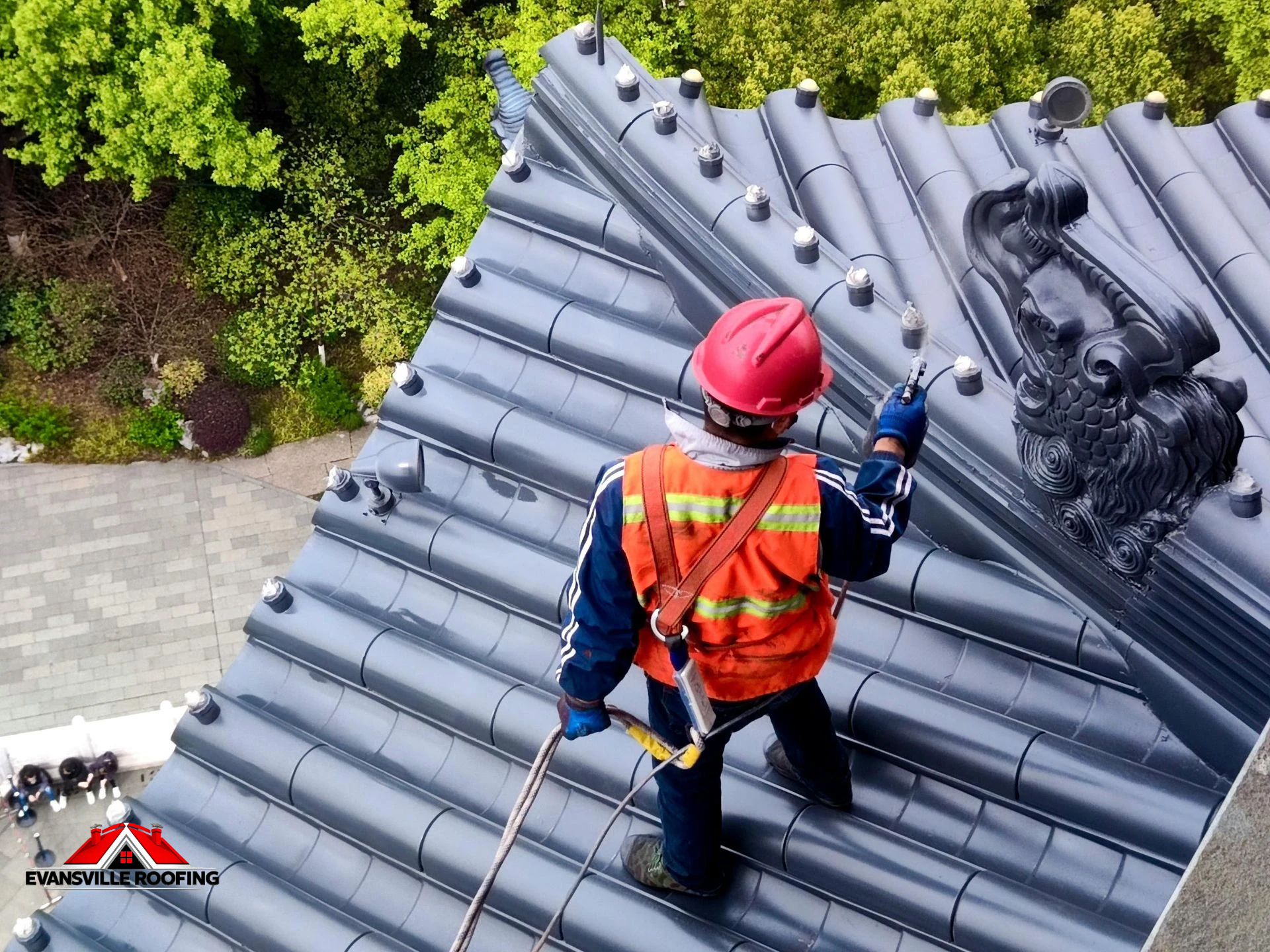
While some cleanup can be done by owners, technical maintenance should be left to pros. Complex roofs often involve steep slopes, fragile materials, and hidden concerns that are tough to manage without training. A contractor can inspect, repair, and document more thoroughly than a visual check from the ground.
If your roof has multiple penetrations or a leak history, professional support is valuable. The right team can handle inspection, repair, and maintenance efficiently. For reliable help, that's often the best way to protect both the building and the budget.
Choose a Contractor Who Knows the Whole System
The best contractors do more than patch issues. They understand drainage, ventilation, flashing, slope transitions, insulation, and how the roof ties into the building. That broader view is critical for complex roofs, where one problem often influences several others.
Evansville Roofing Company provides that comprehensive approach. Whether you need a routine check or a larger project, the right partner helps you make informed decisions and keeps your roof performing at its best. Ready to get ahead of problems? Schedule a professional review and take the next step toward a longer-lasting roof.
Final Thoughts
Keeping complex roofs in good shape isn't just about patching them up now and then. It's about a reliable system of inspections, timely repairs, cleaning, documentation, and smart decisions. When owners stay proactive, they cut the risk of leaks, extend roof life, boost energy performance, and protect the property’s value.
If your roof has multiple slopes, drains, valleys, or penetrations, don't wait for damage to act. Start with a professional inspection, build a seasonal maintenance plan, and fix small issues while they're still affordable. For dependable help, connect with roof maintenance and tune-ups or emergency roofing services so your roof gets the care it needs today and the protection it deserves for years to come.