The Roofing Adventure: How Your Project Goes from Start to Finish
Starting a roofing project isn't just about putting new shingles up. It kicks off with an inspection, a solid plan, and finding a contractor who can guide you smoothly from start to finish. Knowing each step can help you make better decisions, ask the right questions, and keep your roof in great shape. Whether you’re fixing, replacing, or building anew, let's dive into the process and see what you should expect from a professional roofing contractor.
At Evansville Roofing Company, we aim to make each project easy and hassle-free. Whether it’s a detailed roof inspection, urgent help after a storm with emergency services, or a complete upgrade with roof installation, you deserve transparency every step of the way. This is crucial as the roofing market continues to grow. In fact, the U.S. roofing industry hit $92.5 billion in 2025, driven by older homes and severe weather, according to industry reports.
Homeowners and businesses in Evansville face unique climate challenges. Hot, humid summers and cold winters are tough on roofing materials, flashing, and ventilation. So, having the right process is just as important as choosing the right materials. In this article, you'll learn about inspections, estimates, material choices, and how to get a durable installation.
Why the Roofing Process Matters
Better Planning, Better Results
A roof is more than just its surface. It’s a system, with decking, underlayment, flashing, ventilation, and drainage working together. If one part fails, it can affect everything. Starting with a good plan means less chance of leaks, wear, or costly fixes later.
A reliable contractor starts with a detailed inspection, not just a quick look from the driveway. This helps spot hidden issues like decking problems, moisture, poor airflow, or storm damage. A surface-only check might miss important repairs. A thorough process safeguards both your property and your budget.
Changing Expectations in the Industry
As the roofing industry grows, so do customer expectations. More people want digital photos, drone measurements, accurate timelines, and energy-efficient materials. In fact, 60% of commercial roofers now use aerial software for better planning. This means clearer estimates and less guesswork for homeowners.
Meanwhile, labor shortages pose challenges. About 12% of roofing jobs are unfilled, and many roofers are over 55. That’s why working with a contractor who invests in training and communication is so important. Good planning can help manage labor issues and keep your project on track.
Step One: The Initial Roof Inspection
What a Full Inspection Should Cover
The real work begins with an inspection. This evaluation should cover the roof surface, flashing, penetrations, gutters, attic conditions, and signs of moisture or structural problems. It's not just about spotting visible damage; it's about seeing how the roof performs as a whole. A contractor should explain what's wrong, why it matters, and whether repair or replacement is the better option.
If you’re already noticing problems, now is the best time to schedule roof repair or a more in-depth check. Issues like shingle loss, water stains, or leaks can indicate bigger problems. Find out more about early signs of failure in our guide on why your roof is losing shingles.
Finding Hidden Problems
The priciest roofing problems often start where you can't see. Inspectors check the attic for light leaks, wet insulation, mold, and poor ventilation. They also look at valleys, nail lines, ridge caps, and roof-to-wall transitions. These spots are common for leaks and storm damage.
For reliable standards on roof safety, contractors might refer to the Occupational Safety and Health Administration for jobsite safety and the Federal Emergency Management Agency for storm preparedness. These sources help ensure safer practices and better decisions. A contractor who knows inspection best practices is more likely to provide an accurate scope and avoid surprises later.
Step Two: Estimating, Scope, and Material Selection
Turning Inspection Findings into a Plan
After the inspection, the next step is to create a plan from the findings. This should detail whether the job involves repairs, partial or full replacement, and list any repairs, upgrades, or clean-up work. The best estimates are detailed enough to compare with others.
Cost is a major concern, but it shouldn’t be the only factor. Roof size, pitch, complexity, labor rates, and hidden damage all affect the price. If a quote seems too low, it might leave out important work. A trustworthy contractor explains these factors clearly, without hiding them in the fine print.
Picking the Right Materials
Choosing materials is where looks and performance meet. Asphalt shingles are popular for their cost and versatility, but metal roofing, clay tiles, or cool-roof coatings offer specific benefits. In Evansville’s climate, think about heat and moisture resistance, and long-term maintenance. You want materials that perform well over time.
If you're exploring options, our guide on choosing roofing materials offers a good framework. Cool-roof products are gaining popularity because they reflect more sunlight and help reduce cooling needs. There’s also growing interest in sustainable materials for energy efficiency. In one case, a cool-roof coating reduced cooling costs by 20%, showing the value of smart material choices.
Why Codes and Standards Matter
Every roofing job should meet local building codes and manufacturer guidelines. These rules ensure safety, insurance coverage, and warranty protection. Proper overlap, flashing, fasteners, and ventilation affect how well a roof performs. Ignoring them can lead to problems down the road.
Contractors often consult resources from groups like the International Code Council. The specific codes can vary, but the idea is the same: a roof should meet recognized standards, not just look good. That attention to detail is why a professional roofing job is a smart investment.
Step Three: Getting the Property Ready
Protecting the Site and Scheduling
Before work starts, the contractor should prepare the site to protect landscaping, siding, driveways, vehicles, and outdoor furniture. Material deliveries should be organized to keep the site tidy. A good project manager will confirm the work schedule, expected noise levels, and start and finish dates so you know what to expect.
Weather planning is also part of the preparation. Roofing work needs careful timing because rain or high winds can interrupt the job and risk exposure to the home. In storm-prone areas, crews often schedule extra time to avoid rushed work and keep moisture out during construction.
Clear Communication Prevents Confusion
Clear communication makes everything smoother. Knowing who your point of contact is, how updates will be shared, and what to do if new issues arise during construction keeps things simple. If a contractor explains each phase up front, the project feels much more manageable.
This is especially helpful for those arranging a roof replacement after damage. Our related article on storm damage roof checks can help you know what to look for after severe weather. A well-prepared project starts with clear expectations.
Step Four: Tear-Off, Repairs, and Deck Preparation
Removing the Old Roof
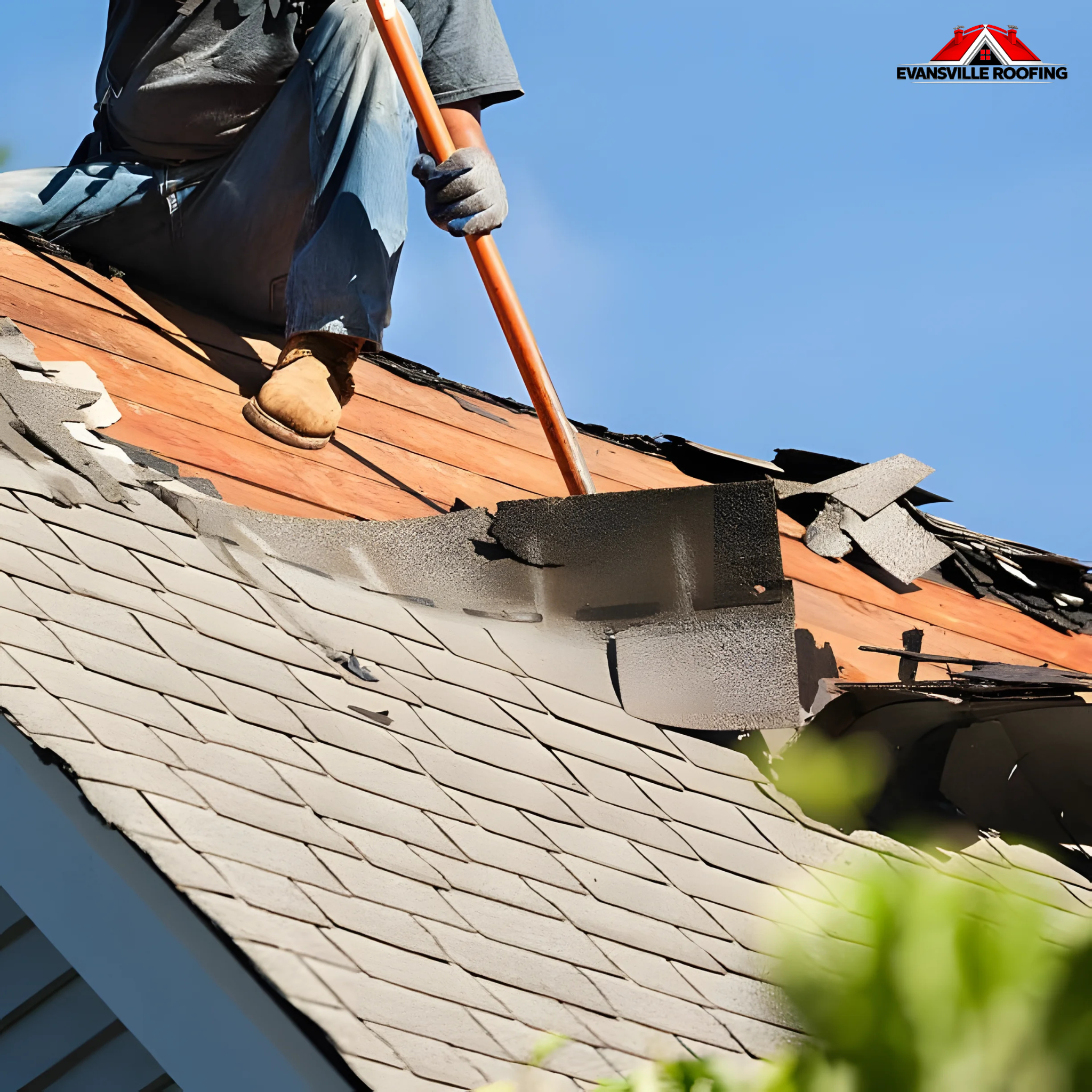
For replacements, the old roof usually needs to be removed before installing the new one. This tear-off stage reveals the roof deck and any hidden damage. It’s crucial because it shows if the roof’s foundation is sound or if repairs are needed. Sometimes, the deck tells a deeper story than the visible shingles.
If damaged decking is found, the contractor should explain the repair before continuing. Fixing rotten sheathing is vital for proper fastening and durability. Skipping this might save time now but could compromise the roof later. That’s why good contractors don’t rush through tear-off just to get to the visible work.
Weather-Related and Age-Related Damage
Roofers often find issues caused by hail, wind, heat, and aging materials. In severe weather areas, impact-resistant materials are often recommended because they withstand storms better. Properties in hail-prone areas often choose stronger shingles to improve resilience and avoid repeat damage claims.
A roof might also have hidden weaknesses even if it looks fine from the ground. That’s why reading our article on why your roof might look fine but still need repairs can be helpful. A good contractor checks more than just surface appearance and repairs the deck, flashing, or structure as needed before moving forward.
Step Five: Installing the New Roof
Underlayment, Flashing, and Ventilation
Installation is where planning becomes protection. The crew starts with the right underlayment, which acts as a water barrier under the roofing material. Flashing is then installed around chimneys, valleys, skylights, dormers, and wall intersections. These details are critical because most leaks start at these transitions.
Ventilation is another key part of the installation process. Balanced airflow helps regulate attic temperature, reduce moisture, and extend roof lifespan. Poor ventilation can lead to shingle damage, ice dams, and mold. For more on this, check out our article on roof ventilation issues.
Quality of Work and Fastening
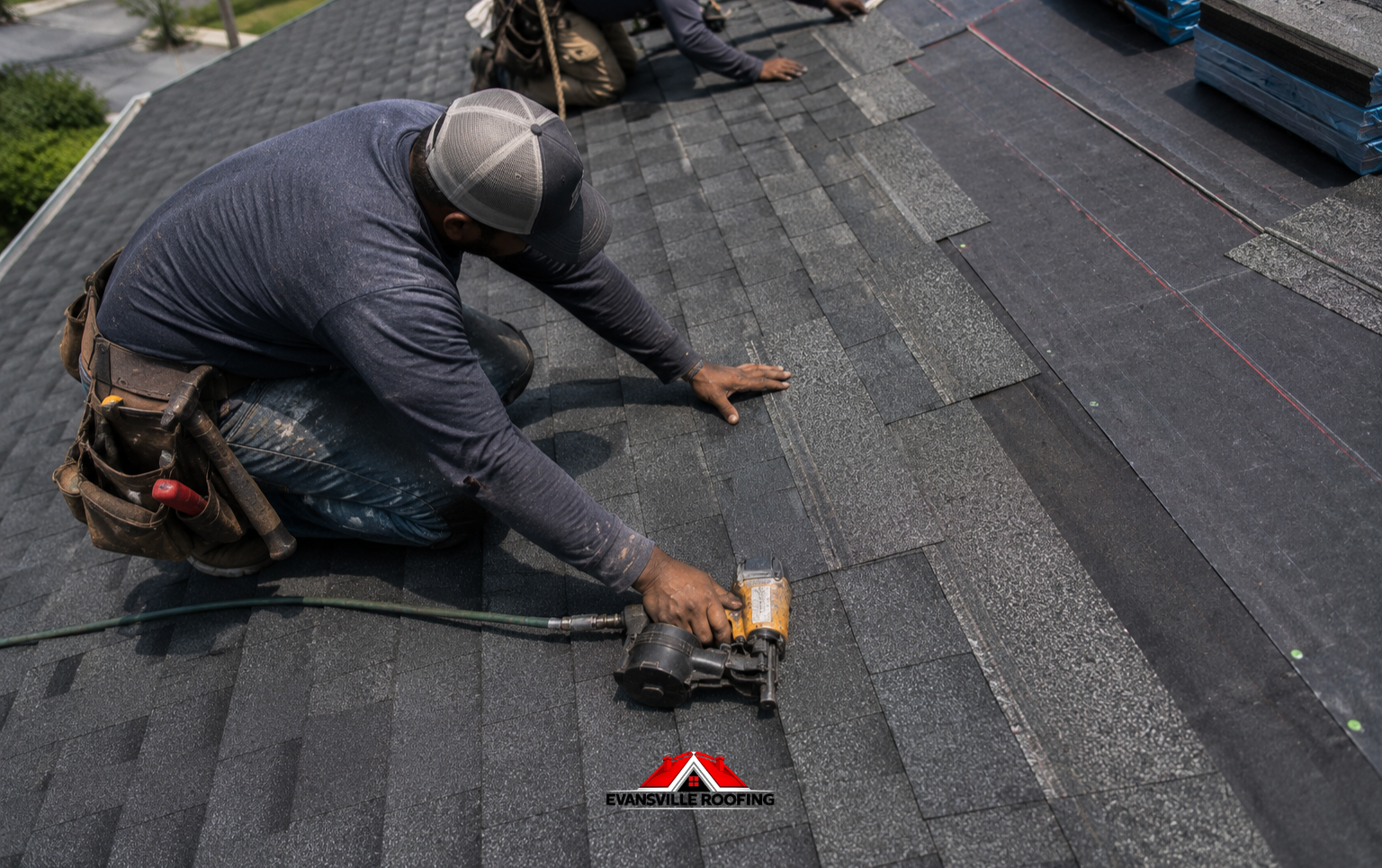
The best materials won't last if installed poorly. That's why fastening patterns, nail placement, sealant use, and shingle alignment matter. Even small installation errors can cause problems. A professional crew follows manufacturer instructions because warranties often depend on it.
Experienced installers understand roof valleys, ridge details, and transitions between materials. Our article on nailing techniques shows why precise fastening is so important for long-term performance. The roofing system should look uniform and be structurally sound.
Step Six: Final Inspection, Cleanup, and Warranty Review
Making Sure Everything is Done Right
After installation, the project isn’t done until the roof is inspected again. A final walkthrough should check that shingles are aligned, flashing is sealed, vents are secure, and debris is removed. The crew should also check for nails or leftover materials in gutters, landscaping, and driveways. Quality contractors see cleanup as part of the job.
Homeowners should get a final explanation of what was completed, what materials were used, and what warranty applies. This is the time to confirm if the roof qualifies for manufacturer protection and what maintenance is needed to keep it valid. If a contractor doesn’t explain these details, you might have trouble resolving warranty questions later.
Maintenance After Installation
Even a new roof needs care. Routine inspections, debris removal, and moss or algae control can extend its life and prevent small problems from becoming big ones. A maintenance plan is helpful for roofs in heavy tree cover, frequent storms, or fast temperature changes. Preventive care is usually cheaper than emergency repairs.
That’s why many homeowners opt for roof maintenance and tune-ups. Maintenance protects your investment and keeps the system working as it should. It’s also smart for commercial property owners who want to avoid business interruptions from leaks.
Local Considerations for Evansville Properties
Climate and Material Choice
Evansville’s humid climate can be tough on roofs. Hot summers strain cooling systems, while cold and moisture create condensation and stress. Homeowners should choose materials that handle moisture well and support good insulation. Mold resistance, ventilation, and flashing quality are key here.
The best roofing solution balances durability, looks, and energy efficiency. Cool-roof technology is one popular choice for reducing heat absorption. These trends reflect a shift toward smarter, more efficient roofing choices rather than one-size-fits-all solutions.
Questions to Ask Before Work Starts
Before signing a contract, Evansville property owners should ask about licensing, insurance, material warranties, crew experience, cleanup procedures, and timelines. They should also ask how hidden damage will be handled if discovered during tear-off. A good contractor answers these openly and documents the process.
If you’re comparing service providers, look for a team that offers inspections, repairs, replacements, and new installations under one roof. This flexibility simplifies the project and improves continuity from start to finish. It also makes it easier to call the same trusted team for future needs.
Frequently Asked Questions About Roofing Projects
How Long Does a Roofing Project Usually Take?
Most roof replacements take a few days to a week, depending on size, complexity, weather, and hidden damage. Smaller repairs may be quicker, while larger jobs might take longer. Good planning and communication help keep the schedule realistic.
What Affects the Total Cost?
Material type, roof complexity, labor rates, decking repairs, ventilation upgrades, and project size all affect cost. If there’s storm damage or decay, the scope might expand once work begins. A good estimate explains these possibilities up front to avoid surprises later.
How Do I Verify a Contractor’s Credibility?
Check for licensing, insurance, experience, reviews, and clear estimates. Ask if they follow local codes and manufacturer instructions. You can also review trusted resources like the U.S. Department of Energy for info on roof efficiency and performance, which helps evaluate whether proposed upgrades make sense.
Conclusion: A Good Roofing Project Starts With a Good Process
A roofing project should move through clear steps: evaluate the condition, define the scope, choose the right materials, prepare the property, complete the work carefully, and verify the result. When each stage gets attention to detail, the roof lasts longer, works better, and protects your property more effectively. That’s important in a market with rising demand and more weather-related damage.
If you’re planning a repair or replacement, work with a contractor who values communication, accuracy, and craftsmanship. For homeowners and businesses in the Tri-State area, ask questions early, compare estimates, and choose a team that guides you from inspection to completion. Ready to take the next step? Contact Evansville Roofing Company at 812-461-6336 or visit our website to schedule a professional assessment and get a roofing plan built around your needs.