Why Your Roof Might Look Fine, But Still Needs Repairs
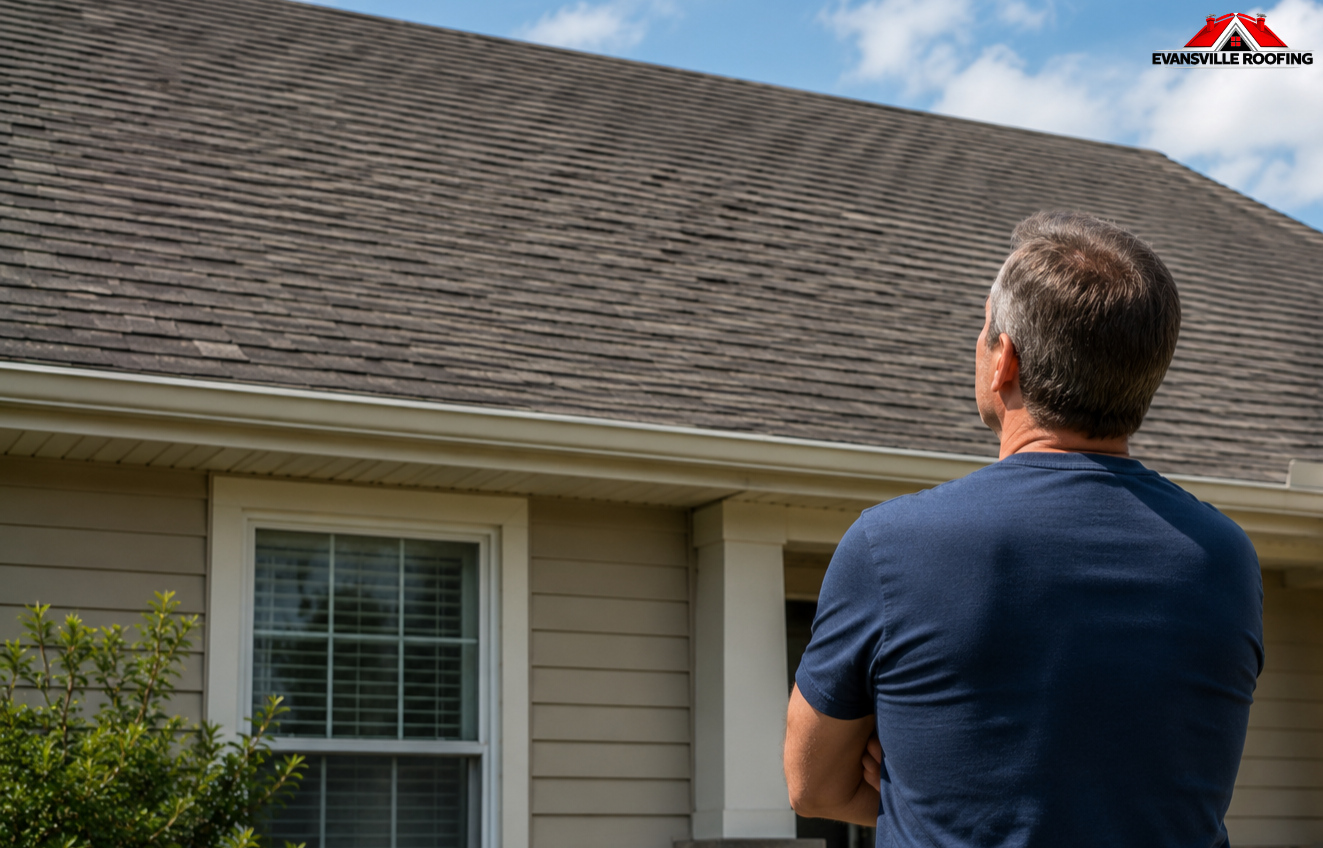
Many folks think their roof is in good shape if they don’t see any obvious problems like leaks or missing shingles. But the truth is, roofs can have issues that aren’t visible from the ground. Problems like hidden moisture, shingle wear and tear, poor ventilation, and underlayment issues can all weaken a roof without any clear signs. That's why getting a professional inspection from a trusted roof inspection and damage assessment service is a smart move to catch problems early.
In places like Evansville, where the weather can be all over the place—hot summers, cold winters, heavy rain, and storms—it’s easy for subtle roof issues to develop faster than you’d expect. The National Weather Service notes that severe weather can cause damage that's not obvious right away, especially after a storm. But don't worry, most hidden roof problems can be caught early if you know what to look for and get a professional to check things out when needed.
Why a Roof Can Look Fine and Still Be Damaged
Roofing Systems Have Layers, Not Just Shingles
Your roof is more than just the shingles you see. Underneath, there are layers like the underlayment, decking, flashing, vents, sealants, and fasteners, all working together to keep water out. If any part of this system fails, the roof might still look okay, but moisture could be creeping in. Problems like flashing separation or nail failure often go unnoticed until you see stains, rot, or leaks inside your home.
For instance, a small issue around your chimney or a roof valley can let water into the system during a storm without causing visible damage right away. The outside might look intact, but the decking or insulation could start soaking up moisture, leading to mold, wood rot, and expensive repairs. If you’re worried about these areas, check out more on roof valleys and common failures.
Modern Materials Are Durable, But Not Invincible
Thanks to advancements in roofing, materials today are better at handling the weather. Still, no material is perfect. Asphalt shingles, common in many homes, naturally lose granules over time. These granules protect against UV rays, so losing them makes the roof more prone to aging.
If you find granules in your gutters, it’s an early sign of shingle wear. As InspectApedia points out, visible roof wear is often just the start. The roof might look stable from the ground, but its materials could be breaking down faster than expected.
Common Hidden Roof Problems Homeowners Miss
Granule Loss and Shingle Deterioration
Granule loss is a common issue because it happens slowly. You might see black specks in your gutters, but not realize it’s a sign of roof aging. Once the granule layer thins, shingles lose protection and might start cracking, curling, or blistering. So, a roof that looks okay today might not last as long as you think.
Think of granules as the roof’s sunscreen. Without them, shingles can get damaged by the sun and temperature changes. If your gutters are filling up with roofing particles or your shingles look dull, it might be time for roof maintenance and roof tune-ups before small problems turn into bigger ones.
Hidden Water Damage and Moisture Intrusion
Water is the biggest threat to your roof because it can spread far beyond where it enters. A leak near a vent or flashing seam might drip into your attic, wood framing, or drywall before you notice anything. This hidden water damage can last for weeks or months, especially if the leak is small. It’s not just about stains on the ceiling—it can lead to mold, weakened framing, and higher energy bills.
The U.S. Environmental Protection Agency says controlling moisture is key to preventing mold and keeping indoor air quality good. So, catching these issues early is important. If you think your roof has let water in, getting roof repair done quickly can help limit the damage.
Ventilation and Insulation Problems
Poor attic ventilation can cause roofing issues that are easy to miss. When warm, moist air gets trapped in the attic, it can lead to condensation on the roof decking and cause mold, rot, and shingle damage. In winter, poor ventilation can make ice damming worse, forcing water under the shingles even if the roof surface looks fine. To learn more, check out our guide on roof ventilation issues and home safety.
Insulation problems can also let heat escape unevenly, raising your utility costs and putting more stress on the roof. The U.S. Department of Energy highlights that proper insulation and ventilation improve efficiency and reduce moisture problems.
Signs of Hidden Roof Damage to Watch For
Interior Clues Often Show Up First
Surprisingly, the first signs of roof damage might appear inside your home, not outside. Water stains on ceilings, bubbling paint, musty odors, and soft drywall can all point to a problem above. Sometimes, a sudden increase in energy bills might signal roof or attic issues, as damaged insulation or poor ventilation makes your HVAC system work harder. Don’t ignore these signs, even if the roof looks fine from the ground.
Discoloration near vents, skylights, or chimney walls can also be a clue to subtle leaks that casual checks might miss. If you see any of these warning signs, consider roof repair or a full roof damage assessment to find the source early.
Exterior Clues Can Be Subtle
Not every roof problem is as obvious as a missing shingle. Sometimes, the signs are more subtle, such as curled shingle edges, scattered granules in the gutter, rusted flashing, or cracked sealant around roof penetrations. Even moss or algae growth can indicate lingering moisture. While some issues might seem cosmetic, they can also hint at reduced roof performance.
Storm seasons can complicate things, as minor damage might blend in with normal wear. A roof can survive a storm without visible holes but still have issues like lifted shingles or loosened fasteners. In such cases, emergency roofing services might be needed if active leaks or sudden failures are found.
Why Regular Roof Inspections Matter
Professional Eyes Catch What Homeowners Miss
Most people don’t spend time inspecting their roofs or attic framing for moisture patterns, and that’s okay. Roofing professionals know where hidden failures tend to happen and how to spot early warning signs before they turn into major repairs. A trained inspector can evaluate everything from flashing to attic conditions more thoroughly than a quick visual check. This makes annual inspections a smart investment.
Industry practices also recommend using advanced tools like infrared cameras to detect temperature differences, indicating trapped moisture. For homeowners in the Tri-State area, combining professional expertise with routine roof inspection and roof damage assessment gives a clearer picture of roof health.
Inspections Are Especially Important After Storms
Even if your roof looks fine after a storm, strong wind and rain can loosen materials or highlight weak spots that were already forming. Post-storm problems often show up later, long after the weather has cleared. That’s why a storm recovery check is so valuable. A roof can seem normal on a sunny day, but still leak during heavy rain because a seam was disturbed or a shingle tab lifted.
If you need more guidance, check out our expert guide to storm damage roof checks. If a storm has already caused issues, scheduling emergency roofing services quickly can prevent further damage to your attic, ceilings, and walls.
How Hidden Roof Damage Develops Over Time
Small Problems Become Expensive Problems
A big misconception about roofing is that small issues can wait. In reality, minor defects often get worse once water and temperature changes interact with the roofing system. A tiny nail pop can become a leak path. A cracked seal around flashing can let in moisture to stain the decking. Missing granules can shorten shingle life by exposing the asphalt beneath them.
This gradual progression is why you should view roof maintenance as a preventative practice, not a reactionary one. Preventive care is usually cheaper than major structural repair or premature replacement. If your roof has multiple aging components, talking to a professional about roof replacement might be smarter than constantly patching a system nearing the end of its life.
Case Example: Hidden Attic Moisture
Imagine a homeowner who notices a mild musty smell in the attic but no leaks on the ceiling below. The roof looks intact, and there are no visible holes. But after a full inspection, the roofer finds condensation damage, mold starting on framing members, and wet insulation. The issue was a mix of poor attic ventilation and a small flashing failure, letting moisture in slowly over time.
Since the homeowner acted before things got worse, the roofer repaired the damaged flashing, improved airflow, and addressed the affected materials before the problem spread. This is a common situation, which is why a routine roof tune-up can be so valuable for catching trouble early.
Climate, Aging, and Local Wear Factors
Weather Conditions Put Extra Pressure on Roofing Systems
Seasonal temperature swings stress roofing materials. In hot weather, materials expand; in cold weather, they contract. Over time, this can loosen sealants, open small gaps, and speed up aging. Heavy rain can exploit those gaps, and wind can lift weakened shingles or flashing. Even if the roof looks fine from the street, repeated exposure slowly reduces its ability to protect your home.
This is especially true in areas with both summer heat and winter cold since repeated expansion and contraction create more opportunities for hidden wear. That’s why local property owners often benefit from scheduled inspections rather than waiting for visible failures. The more often a roof is checked, the more likely small issues can be fixed before they become major repairs.
Older Roofs Deserve Extra Attention
As a roof ages, it naturally becomes more prone to hidden defects. Sealants dry out, shingles get brittle, flashing loosens, and decking might weaken if it absorbs moisture over time. A roof nearing the end of its life might not look alarming, but its performance can be declining steadily underneath. This is especially true if the roof has been patched many times.
If your roof is older and showing several warning signs, it might be more practical to discuss a complete roof replacement rather than continuing with isolated fixes. The goal isn’t just to improve appearance; it’s to protect the home’s structure and reduce the risk of repeated emergency repairs.
What Homeowners Can Do Right Now
Perform Simple Visual Checks Safely
You don’t need to climb onto the roof to spot early warning signs. From the ground, look for missing shingles, sagging sections, damaged gutters, or debris near downspouts. Indoors, check ceilings, attic rafters, and upper walls for stains, discoloration, or damp smells. If you notice anything odd, document it and share it with a roofing professional during an inspection.
These simple observations can make a big difference by catching problems before they spread. Even if the roof looks fine outside, combining exterior and interior clues often tells a fuller story. When in doubt, asking for professional help is better than hoping the issue will go away.
Schedule Maintenance Before Problems Spread
The easiest way to prevent hidden roof damage is to maintain your roof regularly. This means clearing debris from gutters, checking flashing after storms, keeping the attic ventilated, and scheduling inspections at least once a year. Preventive work is especially useful for older roofs, houses with large trees nearby, or homes exposed to strong weather. Often, a quick maintenance visit can add years to your roof’s life.
If you prefer to be proactive, our roof maintenance and roof tune-up service is designed to catch small issues early. For those interested in material selection and durability, our article on choosing roofing materials for climate and home design is a helpful read.
When to Call a Roofing Professional
Don’t Wait for Active Leaks
Many wait until water drips inside before calling a roofer, but by then, the hidden damage might already be extensive. If you see granules in gutters, recurring ceiling stains, attic odors, or rising energy costs, it’s smart to schedule an inspection sooner rather than later. A professional can tell if you need a small repair, a larger restoration plan, or a full replacement strategy.
Evansville Roofing Company helps homeowners and property managers identify these issues with clear communication and practical recommendations. If the roof problem is still isolated, targeted roof repair might be enough. If the roof is failing in multiple places, a more comprehensive solution might save money and stress in the long run.
Know the Signs That Require Urgent Help
Some roof issues can’t wait for the next available appointment. Active leaks, storm impact, fallen branches, exposed decking, or sudden ceiling collapse should be treated as emergencies. These need immediate attention to reduce further water damage and protect your home’s structure. A quick response can mean the difference between a manageable repair and an expensive restoration project.
When urgent situations arise, contacting emergency roofing services is the safest step. If the damage is still limited, the repair process might be straightforward. But if multiple layers are compromised, a detailed assessment will help decide if more extensive work is needed.
Conclusion: Don’t Judge a Roof by Appearances Alone
A roof might look perfectly fine outside, but could be hiding problems that threaten your home’s structure, efficiency, and safety. Hidden water damage, granule loss, ventilation issues, flashing failures, and storm-related wear are all reasons a roof might need repair before obvious breakdowns happen. The best way to protect your home is to pay attention to warning signs, stay on top of maintenance, and schedule regular inspections with a trusted roofing contractor.
If you think your roof might have hidden damage, don’t wait for the next leak. Reach out to Evansville Roofing Company for honest advice, a professional evaluation, and solutions tailored to your roof’s condition. Whether you need roof inspection and damage assessment, targeted repair, or a broader maintenance plan, taking action now can help avoid bigger problems later. Contact us today at 812-461-6336 or visit our website to get started.