Why Storm Damage Can Be Hard to Spot
Stor ms are sneaky. They don't just toss branches around or dent your gutters; they can quietly mess with your roof in ways you won't notice right away. A quick look from your driveway just won't cut it after severe weather. If you’re serious about keeping your home safe, it’s key to understand how storms can impact your entire roof system. Why get a professional roof inspection and damage assessment? Because they can catch issues that are easy to miss.
The tricky part about storm damage is how it often stays hidden. The National Roofing Contractors Association points out that much of the damage isn't obvious at first. This means you might think your roof is fine while water is already seeping in. Acting quickly is crucial. Catching roof issues early can really extend its life and save you from hefty replacement costs later on.
In Evansville, where wind, hail, and heavy rain can hit all in one season, roofs take quite a beating. Surface damage is just one aspect. The underlayment, flashing, sealants, decking, gutters, and attic spaces can all be affected. A thorough post-storm check can nip problems in the bud, preventing leaks, mold, or structural damage. If things look bad or you spot a leak, it’s time to call in emergency roofing services right away.
How Storms Damage Roofing Systems
Wind Can Lift and Loosen Shingles
High winds are notorious for causing roof troubles after storms. Even if shingles don't fly off, the wind can loosen their adhesive, curl the edges, or create gaps that let water in. Once the seal is broken, your roof is more vulnerable to future storms. Strong winds can also shift flashing and expose weak spots around the edges.
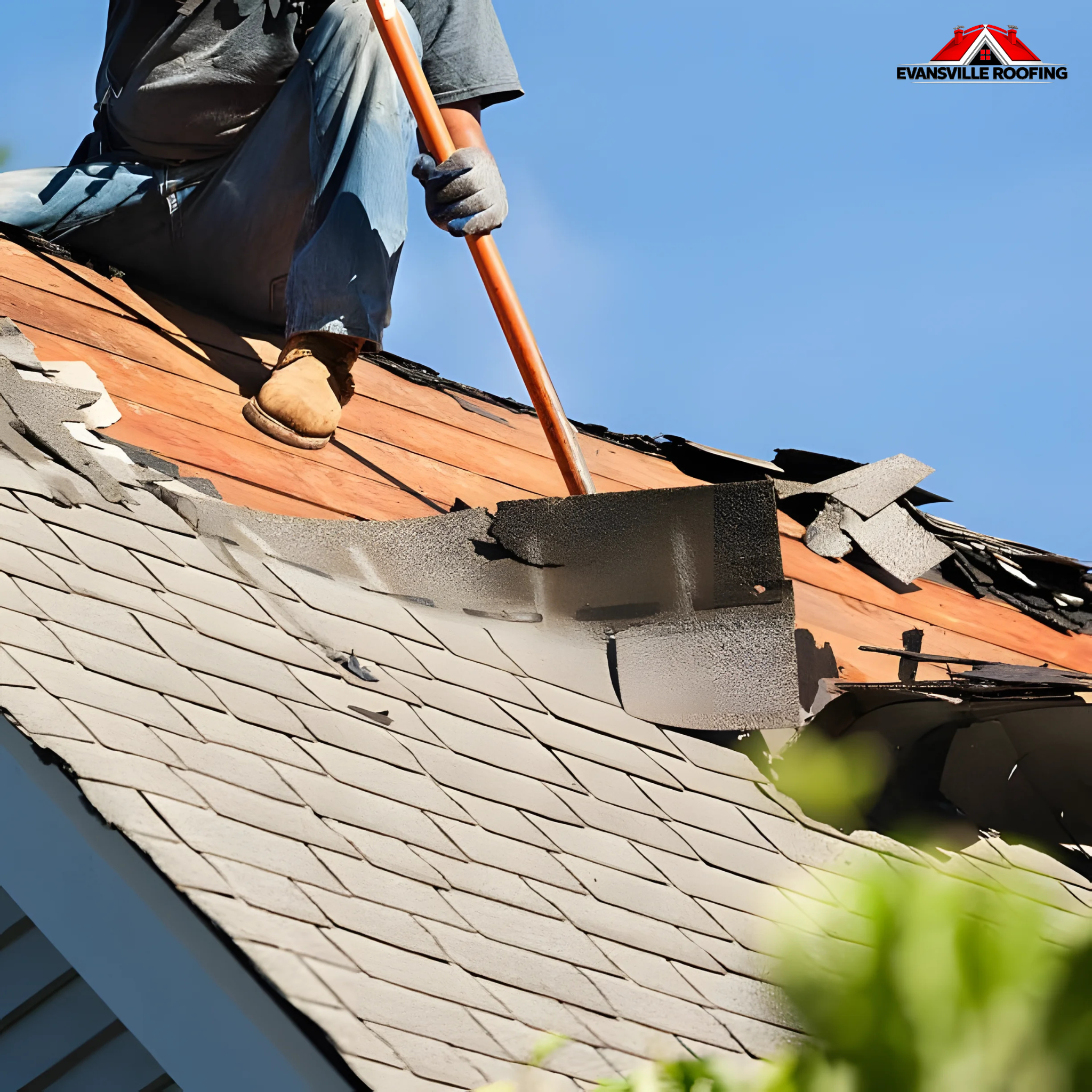
Wind damage often starts small. A single lifted shingle might not seem urgent, but it can lead to a chain reaction as wind gets under adjoining materials. Over time, this can expose more underlayment and lead to repeated leaks. That’s why a detailed roof repair assessment is valuable, even if things seem okay from the ground.
Hail Can Bruise Roofing Materials
Hail can be brutal because it hits the roof with a concentrated force. On asphalt shingles, hail can knock off granules, leaving them open to sunlight and moisture. These granules aren't just for looks; they protect the shingle from weathering. Lose too many, and the shingle can age faster and become brittle.
For homeowners looking at durable options, modern materials like stone-coated metal roofs are becoming more popular. They offer strong impact resistance and long-term performance. This trend towards tougher materials reflects a growing demand for roofs that can withstand severe weather. For more on choosing the right materials, check out our guide on choosing roofing materials for climate and home design.
Rain and Debris Create Hidden Water Pathways
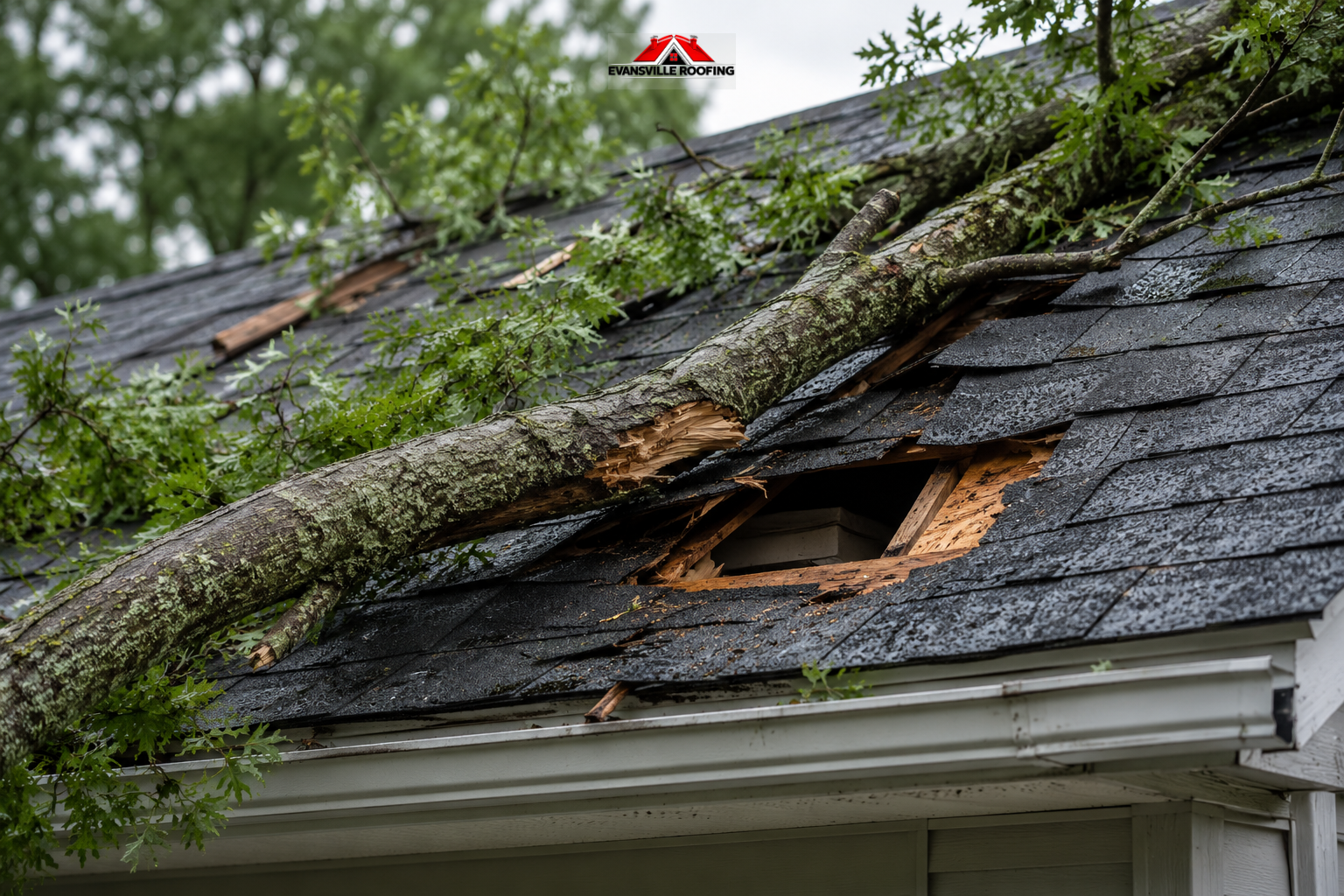
Storms rarely bring just one type of damage. Heavy rain can find its way through tiny openings left by wind or hail, and debris like tree limbs can puncture shingles or flatten vents. Water can travel along the roof deck before it shows up inside the home, making leaks hard to pinpoint and fix.
Keep an eye on both the outside and inside of your home after a storm. Look for water stains on ceilings, damp attic insulation, and musty odors, as these can all signal hidden storm damage. Investigating these signs early can help you limit repair costs and stop further damage.
What to Check on the Roof Surface
Missing, Curled, or Cracked Shingles
Start with what you can see. Missing shingles are a clear red flag, but curled or cracked ones can be just as serious. They show that the roof has lost flexibility or has been stressed. These defects often crop up after wind, hail, or a mix of weather events. Even a few damaged shingles can let water in.
If you’re checking from the ground, use binoculars to spot irregular patches, lifted corners, or areas where the roof color seems inconsistent. Granules might also appear in gutters or at the base of downspouts. Notice these signs? Schedule a professional assessment before the damage spreads. A storm can turn a minor issue into a major leak if left unchecked.
Granule Loss and Exposed Underlayment
Granule loss is a clear sign that hail or wind-driven debris has impacted the roof. These granules protect shingles from heat and UV exposure, so losing them speeds up wear. You might see granules collecting in gutters or at the end of downspouts, signaling that the shingles have been stressed.
Industry best practices suggest inspecting the roof surface closely for shingle texture and finish. If the underlayment shows, the roof is more likely to leak during future storms. That’s why post-storm inspections are crucial even if there aren’t any indoor leaks yet. A roof can be damaged and still look fine for a while.
Why a Professional Eye Matters
Some damage is too subtle for homeowners to spot safely from the ground. A trained roofing contractor knows how to find impact marks, hidden seal failures, and signs of shingle displacement that might not be obvious. That’s where professional help is invaluable. It’s also why many folks opt for roof maintenance and tune-ups as part of regular care, not just after emergencies.
Professional inspections also reduce the risk of injury. Walking on a storm-damaged roof can be dangerous, especially when surfaces are wet, loose, or weakened. A contractor can complete the check more safely and document findings to support insurance claims if needed. When repair decisions must be made quickly, that documentation can be helpful.
Don’t Forget Gutters, Flashing, and Roof Penetrations
Gutters and Downspouts Reveal Clues
Gutters often show storm damage first. Dents, cracks, detached sections, and blockages can all reduce their ability to move water away from the home. If they’re clogged with leaves or shingle granules, water may back up under the roofing edge and soak the fascia or decking, creating a chain of moisture problems.
Check downspouts too. If water doesn’t drain properly, it may pool near the foundation or overflow onto siding and windows. In a severe storm, a compromised gutter system will struggle even more. For broader exterior repair support, pairing roofing service with exterior evaluation and storm cleanup can be useful.
Flashing Around Chimneys and Vents
Flashing protects weak spots where the roof meets vertical surfaces, like chimneys, skylights, or vent pipes. Storms can loosen flashing, separate sealant, or bend metal pieces out of line. Even a small gap can let water into the roof assembly. Flashing damage is often hidden, making it a common cause of post-storm leaks.
Expert checklists emphasize flashing because it’s such a vulnerable transition point. Look for rust, lifted edges, cracked sealant, or missing sections. If your roof has multiple penetrations, each one should be checked carefully. The more openings a roof has, the more chances a storm has to exploit a weak spot.
Valleys and Transitions Need Special Attention
Roof valleys channel large volumes of water, so they’re especially important after a storm. Hail can damage valley material, while wind can loosen surrounding shingles and create paths for water to move under the surface. Since valleys handle concentrated runoff, even slight damage can lead to rapid leaks. To understand more about this area, read our article on roof valleys and common failures.
Transitions between roof planes are another area where storm damage often hides. These seams face pressure from wind, rain, and debris, making them more likely to fail when the weather gets extreme. If you see discoloration, gaps, or sagging in these areas, they should be evaluated promptly by a qualified roofer.
Interior Signs of Hidden Roof Damage
Ceiling Stains and Damp Spots
Interior signs often give the first clue that storm damage has breached the outer roofing layers. Brown ceiling stains, bubbling paint, and damp drywall can all point to a leak. Sometimes these spots show up far from the actual roof problem because water travels along the framing before it becomes visible. Investigating is important even when the stain seems minor.
Check your ceilings soon after a storm and again over the next few days, especially after more rain. If the stain grows or changes color, the leak is likely active. Small interior symptoms often reveal bigger roofing problems, so it’s best not to wait. Responding quickly reduces the chance of insulation damage or mold growth.
Attic Moisture and Insulation Issues
The attic is a great place to inspect after a storm because it can reveal leaks before they reach living spaces. Look for damp insulation, wet wood, sunlight coming through gaps, or a strong musty smell. Wet insulation loses effectiveness fast, which means your home might also become less energy efficient after a storm.
The U.S. Department of Energy highlights that attic ventilation and insulation are key to overall home performance, and roof damage can disrupt both. If moisture is present, you may need both roofing and interior remediation work. This is another reason a full-system assessment matters instead of focusing only on visible shingles.
Mold, Odor, and Long-Term Consequences
If storm damage goes unnoticed, mold can grow in hidden spaces. That creates a health concern as well as a property concern. Musty odors, warped trim, or persistent humidity inside the home are all signs that water has entered where it shouldn’t. Mold growth may begin in insulation, behind walls, or at roof framing connections.
The longer water intrusion continues, the more expensive the repair becomes. What started as a small missing shingle can eventually lead to compromised decking, insulation replacement, drywall repairs, and even structural work. Catching the damage early is the best way to protect both your home and your wallet.
Choosing the Right Roofing Materials for Storm Resistance
Why Material Choice Matters
Storm resilience isn't just about waterproofing anymore. Homeowners want materials that can handle wind, impact, and temperature swings without failing early. Stone-coated metal roofs are one example of a modern system gaining attention for their strength and appearance. They offer a mix of durability and curb appeal for homeowners seeking long-term value.
This trend reflects a shift in roofing priorities. Instead of replacing a damaged roof after every major weather event, many owners look for systems that reduce maintenance and improve resistance. If you’re comparing options, think about local weather patterns, budget, and how long you plan to stay in the home. Our page on roof installation can help if you’re planning a new system or major upgrade.
Comparing Asphalt, Metal, and Specialty Systems
Asphalt shingles are common because they’re affordable and widely available, but they might not hold up well in repeated hail or high-wind conditions. Metal roofing typically offers greater durability and can be a smart choice for severe weather areas. Specialty systems, including stone-coated metal, may offer additional impact resistance while keeping a traditional look.
Choosing the right product isn’t just about what looks best at first. It’s about what will still perform after years of storms, UV exposure, and seasonal temperature changes. A contractor can explain how each material compares in terms of warranty, lifespan, and maintenance needs. That guidance is especially important for homeowners considering roof replacement after major storm damage.
How Local Climate Affects Performance
In the Tri-State region, severe weather can include straight-line winds, heavy rain, and hail. Those conditions place different stresses on a roof than long periods of mild weather. A material that does well in one climate may not be the best choice in another. This is why local experience matters when selecting roofing systems.
For further background on weather risk and preparedness, the National Weather Service storm safety resources are a helpful reference for homeowners. Understanding local storm patterns can guide better roofing decisions and maintenance habits. When a roof is built or upgraded with these conditions in mind, it’s more likely to deliver reliable protection over time.
How a Professional Inspection Works
Ground-Level Review and Exterior Documentation
A thorough post-storm inspection begins with exterior documentation. A roofing professional will check the roof from the ground, look for damaged gutters, note shingle loss, and take pictures of visible concerns. This step is important for both diagnosis and insurance purposes. It helps establish the scope of the problem before making repair recommendations.
If you do a self-inspection, limit it to safe ground-level observation. Use binoculars, take notes, and avoid climbing onto a roof that may be slick or unstable. If there are signs of major damage, like sagging sections or exposed decking, calling a pro immediately is the safest option. That’s where a roof inspection and damage assessment can bring peace of mind.
Interior and Attic Evaluation
After the exterior review, a professional will often inspect the attic and interior ceilings. This helps identify moisture intrusion, hidden leaks, and damaged insulation. Interior evaluation can also show whether water has been entering over time or only during the recent storm. That difference matters when figuring out the best repair strategy.
A complete inspection should also consider the roof's age and any prior repairs. A roof that has already been patched several times may be more vulnerable than one that is newer and well-maintained. Inspection reports should include both visible damage and an opinion on long-term condition.
Repair, Replace, or Monitor?
After an inspection, the next step is deciding whether the roof needs a simple repair, a larger restoration, or a full replacement. Small areas of damage may only need targeted work, but widespread granule loss, multiple leaks, or structural concerns can justify a replacement. Don't wait until the next storm makes it worse.
Homeowners sometimes hesitate, hoping the damage won’t get worse. Unfortunately, roofing problems rarely improve on their own. A knowledgeable contractor can explain the difference between temporary fixes and lasting solutions so you can make a confident decision. If the weather has already caused active leakage, consider emergency roofing services for immediate protection.
Roof Maintenance Tips That Reduce Storm Damage
Schedule Regular Inspections and Tune-Ups
Annual inspections are a simple way to reduce storm-related roofing problems. A professional can spot loose shingles, worn sealant, and vulnerable flashing before severe weather hits. This proactive care is especially helpful in storm-prone areas, allowing small issues to be fixed before they become big repairs.
Roof maintenance also helps extend the life of the materials you already have. Small improvements, like resealing penetrations or replacing damaged shingles, can make a big difference during the next major storm. If you want to build a maintenance plan, roof maintenance and tune-ups are a great place to start.
Keep Trees Trimmed and Drainage Clear
Storm prep isn’t only about the roof. Overhanging tree limbs can break shingles or puncture the roof during high winds. Keeping branches trimmed back reduces the chance of direct impact and helps limit debris buildup in gutters. It’s a simple step that can prevent a lot of damage.
Clean gutters and downspouts are equally important. When drainage is blocked, water can back up and increase the chance of leaks at the roof edge. Routine cleaning also makes it easier to spot shingle granules, rust, or other signs of storm damage. Preventive maintenance usually costs much less than emergency repairs after a bad storm.
Document Conditions Before and After Storms
Taking photos of your roof before storm season can make a big difference if damage happens later. Those images help establish what changed after the event and can support insurance claims. After a storm, take more photos from safe locations and keep notes about leaks, missing shingles, or gutter overflow.
This documentation is useful for both homeowners and contractors because it creates a clear timeline. It also helps with comparing the roof’s condition over time, which is valuable when deciding whether repair or replacement makes the most sense. A little recordkeeping can make a stressful situation much easier to handle.
Why Local Expertise Matters in Evansville
Storm Patterns in the Area
Evansville properties regularly face strong winds, hail, and heavy rain that can test even well-built roofs. Local contractors know how these storms tend to affect different roofing systems and which repair methods work best in the region. That local knowledge matters when you need recommendations that are practical, not generic.
For homeowners seeking reliable help in the area, local experience is a major advantage. A contractor who works with these conditions every season knows what to look for after a storm and how to prioritize repairs. That familiarity can help prevent missed issues and unnecessary delays.
Real-World Roofing Needs After Severe Weather
In real-world situations, storm damage rarely shows up as one dramatic failure. More often, it appears as a collection of small problems: a few lifted shingles, minor flashing damage, gutter dents, and a damp spot in the attic. On their own, each issue may seem manageable. Together, they can quickly lead to leaks and roof deterioration.
That’s why a local roofing contractor’s role goes beyond patching visible damage. Contractors help homeowners understand the roof's full condition, explain priorities clearly, and recommend the right level of service. Whether the solution is a repair, a replacement, or preventive maintenance, local guidance can save time and reduce stress.
When to Call for Help
If you notice water stains, missing shingles, damaged flashing, or debris on the roof after a storm, don’t wait too long to get help. The sooner the issue is inspected, the easier it is to control repair costs and protect the home from further damage. Even if the roof seems fine at first, a professional check can reveal hidden problems before they become serious.
Homeowners in Evansville can also explore our location page for more context on nearby service availability, including roofing support in Downtown Evansville. If you suspect storm damage, prompt evaluation is the best way to keep the roof functioning the way it should.
Frequently Asked Questions About Storm Damage
How Can I Tell if My Roof Has Storm Damage?
Look for missing or damaged shingles, granule loss, dents in gutters, and water stains inside the home. These are common indicators that a storm has affected the roofing system. Since some damage is hidden, a professional inspection is still the best way to confirm the full extent of the problem.
Should I Inspect the Roof Myself After a Storm?
You can safely do a ground-level visual check, but avoid climbing onto the roof unless you’re trained and the surface is safe. Wet or damaged roofing materials can be slippery and unstable. If you see anything concerning, contact a roofing contractor for a more complete assessment.
How Often Should My Roof Be Inspected?
Most homeowners should have their roof inspected at least once a year and after any severe weather event. Regular inspections help catch small issues early and support the roof’s long-term performance. If your roof is older or has been through several storms, you may benefit from more frequent checkups.
What Should I Do if I Find a Leak?
Place a container under the leak if needed, protect valuables, and document the damage with photos. Then call a roofing professional as soon as possible. If the leak is active or worsening, immediate emergency help may be necessary to prevent further interior damage.
Take the Next Step Before the Next Storm Arrives
Storm damage can be subtle, but it can seriously impact your roof. Missing shingles, lifted flashing, gutter problems, attic moisture, and hidden leaks all point to the same truth: the longer damage goes unchecked, the more expensive it becomes. The best protection is a mix of preventive maintenance, timely inspections, and quality repairs when needed.
If you suspect your roof has taken a hit, don’t rely on guesswork. A professional review can help you understand whether you need a small repair, a broader restoration, or a full replacement. For dependable help from an experienced roof repair team, or if your situation calls for a more complete solution like roof replacement, reaching out early can save you time, stress, and money.
When you’re ready to protect your home with clear answers and reliable workmanship, Evansville Roofing Company is here to help. Schedule your inspection, ask questions, and get the guidance you need before the next storm hits.