Why Proper Nailing Techniques Matter in Roofing
Roofing might not seem like an art, but the way nails are used can make or break your roof's performance. It might sound simple, but proper nailing is crucial. When done right, it keeps your roof snug and secure, protecting against wind and water. Mess it up, though, and even the best-quality shingles can start causing headaches with leaks or worse.
Here's the scoop: understanding how nails should be placed, what type to use, and how deep they should go is key. Mistakes in these areas can lead to big problems down the road. If you're dealing with roof troubles or planning a new one, start with a good look at what's going on up there. A solid roof inspection is a smart first step, and also check out our roof installation services to see how we stick to top-notch standards.
Want to know more about roof fastening? Check out the National Roofing Contractors Association for general tips or the OSHA for safety info. They remind us that details matter, and nailing is a big one.
The Role of Nailing in Roof Performance
How Nails Hold the Roof Together
Shingles aren't lone warriors; they work with the roof deck, underlayment, flashing, and, of course, nails. The nails keep everything in place, standing up to wind and daily wear and tear. Nail placement is about more than just sticking them in; it's about keeping the roof's structure solid.
Roofing manufacturers provide specific guidelines for a reason. For example, Atlas Roofing specifies certain nail sizes to ensure they hold well without damaging the shingles. It's all about getting the right grip.
Why Fasteners Affect Weather Resistance
Your roof faces wind, rain, and more. Strong nailing keeps shingles in line and sealed, helping them resist heavy weather. In places like the Midwest, where temperatures swing, good nailing is even more crucial—poor fastening can lead to loose materials over time.
For older roofs, proper nailing becomes vital to stop water from sneaking in. If you're seeing wear in tricky spots like valleys, check out this article on roof valleys to understand how these issues happen.
Common Nailing Mistakes That Lead to Roof Failure
Using Too Few Nails per Shingle
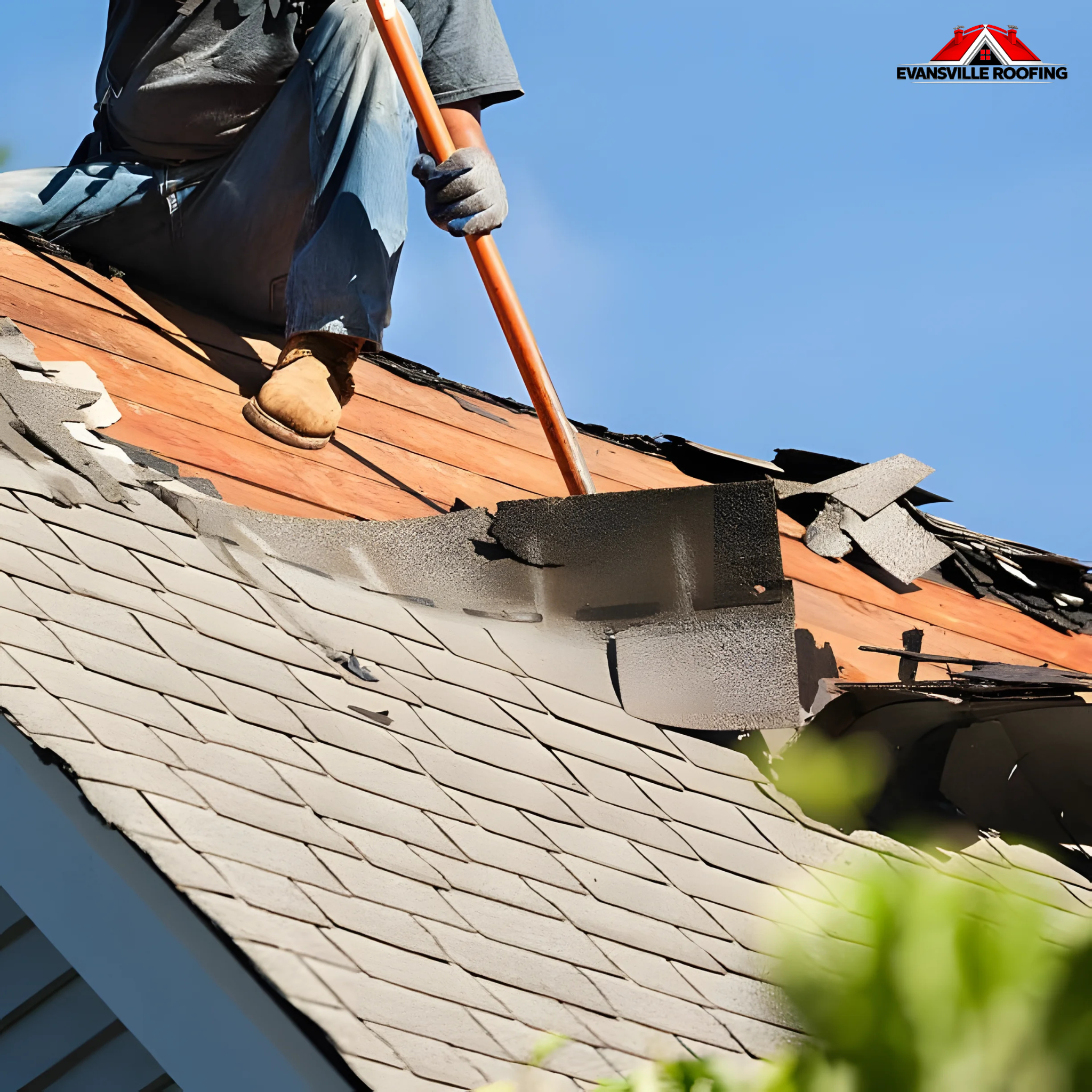
Skimping on nails is a common problem. Manufacturers often call for at least four nails per shingle, and sometimes more in windy areas. Missing nails mean shingles can move too much, shortening the roof's life. High winds can easily take advantage of poorly fastened shingles and cause a lot of damage.
Driving Nails in the Wrong Place
Nails need to be in the right spot. Too high or too low, and they won't hold well. This can make shingles buckle or tear. Following the manufacturer's recommendations ensures the roof holds up as it should. You can find more details from Owens Corning.
Overdriving or Underdriving Nails
Getting the nail depth right is crucial. Overdriven nails can weaken shingles, while underdriven nails can let in wind and water. A 2021 inspection found that many roofs had nails not driven deep enough, leading to water problems. For more about roof installation issues, see our guide to roof decking.
What Proper Roofing Nailing Looks Like
Choosing the Right Nail Type and Size
Not all nails are created equal. The right type and size depend on the roofing material and deck thickness. For asphalt shingles, galvanized nails are often recommended to ensure they're strong enough to hold without damaging the shingles.
Placing Nails in a Straight, Consistent Pattern
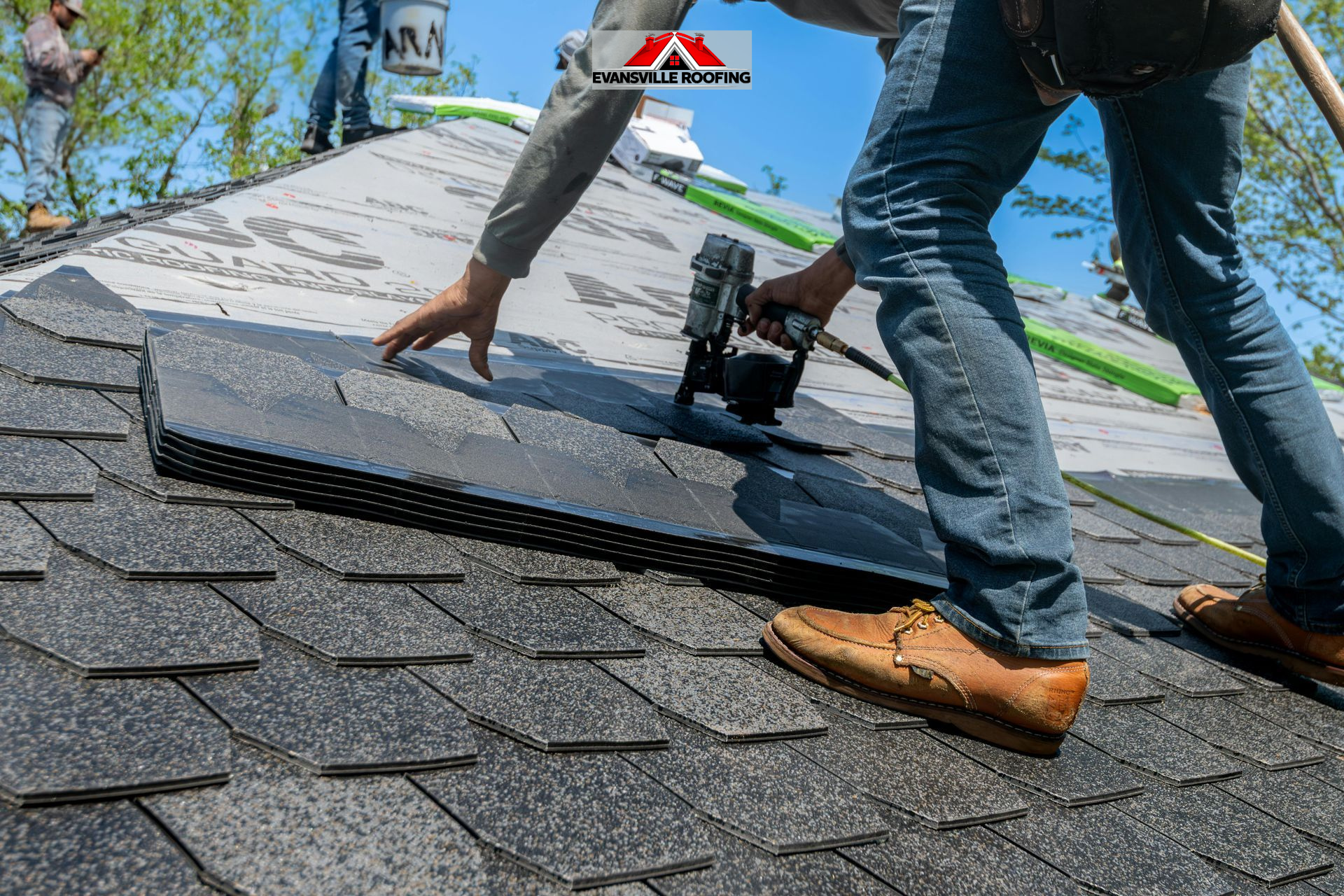
Nailing isn't random. It follows a pattern to keep shingles aligned and secure. This consistency helps prevent weak spots that wind could exploit. When the schedule is tight, experienced installers know this accuracy saves trouble later.
Ensuring Proper Deck Penetration
Nails need to penetrate the roof deck just right—typically around 3/4 inch. If they're not deep enough, they can come loose. Tools should be calibrated to ensure nails are driven correctly. A well-tuned nail gun can make a huge difference.
How Climate and Weather Make Nailing More Important
Wind Resistance and Storm Protection
Good nailing helps your roof stand up to wind by keeping shingles in place. After a storm, if you suspect damage, consider emergency roofing services to tackle leaks.
Heat, Humidity, and Seasonal Expansion
Weather changes can affect nails over time, especially in places like Evansville, where seasons vary. Regular roof maintenance can catch loosening shingles before they lead to leaks.
Water Intrusion During Heavy Rainfall
Poor nail placement can allow rainwater to seep in. Even small gaps can become big problems. A well-fastened roof sheds water as it should, while a poorly fastened one invites trouble. For more on how climate impacts roofing choices, see our article on roofing materials.
Best Practices Roofing Contractors Should Follow
Follow Manufacturer Instructions Exactly
Roof manufacturers provide guidance for a reason: following their instructions ensures the roof performs well. It helps when comparing contractors, too—those who explain their methods clearly are a good bet.
Use Training, Calibration, and Supervision
Even pros need regular training and equipment checks. Proper nailing reduces warranty claims and callbacks. If you're dealing with leaks or shingle loss, our roof repair team can help identify the problem.
Inspect Fastening During and After Installation
Quality checks during and after installation ensure everything's done right. It's especially crucial for larger properties. Property owners should ask for a final inspection to ensure the roof lasts as expected.
Signs Your Roof May Have Nailing Problems
Visible Shingle Lift or Movement
If shingles look uneven or lifted, it might be a nailing issue. Wind can quickly highlight weak spots, especially at edges and ridges. If you see these signs, get a professional evaluation before the next storm hits.
Leaks, Ceiling Stains, and Attic Moisture
Leaks can stem from nail issues. Moisture can travel and show up in unexpected places. A detailed inspection can pinpoint the problem and prevent unnecessary repairs.
Premature Shingle Aging
If your roof looks older than it should, nailing might be the culprit. Shingles may wear out faster if not nailed properly. For a local opinion, consult a contractor familiar with Evansville's conditions.
FAQ: Roofing Nailing Questions Homeowners Ask
What Happens If Roofing Nails Are Installed Incorrectly?
Poor nailing can lead to shingle blow-offs, leaks, and a shorter roof lifespan. Early correction is more cost-effective than waiting for visible damage.
How Can I Tell If My Roof Has Nail Problems?
Look for lifted shingles, visible nail heads, uneven rows, and leaks. A professional inspection can confirm if nailing is the issue.
Can Proper Nailing Extend Roof Life?
Yes. Good nailing helps shingles stay put and resist the weather. Combined with quality materials and regular maintenance, it can extend roof life significantly.
Conclusion: Why the Small Details Matter Most
Nailing might seem like a small detail, but it plays a big role in how well your roof holds up against wind and water. Even the best shingles can't do their job if they're not fastened right. That's why hiring contractors who pay attention to these details is so important.
If you're dealing with roofing issues, get a professional evaluation. Whether you need repairs or a full inspection, our goal is to help protect your property with care and clear communication. For more on what we offer, check out our inspection options or get in touch with Evansville Roofing Company today. A sturdy roof starts with the right fasteners and the right team.