A roof is more than just a cover for your house. When installed correctly, it shields your home from rain, wind, heat, and winter weather. It also enhances energy efficiency and boosts your home’s resale value. If you’re thinking about long-term protection, investing in a quality roof can pay off by giving you peace of mind and making your home more appealing to potential buyers.
In this guide, we’ll explore how a well-installed roof protects your home, why it matters to appraisers and buyers, and what current roofing trends mean for homeowners. Whether you’re considering roof installation, a roof inspection, or a full update through roof replacement, this article will help you understand the value of these services.
Roofing quality is crucial as the industry evolves. Today’s conversations include sustainability, solar integration, storm resistance, and improved ventilation systems. According to Roofing Contractor, contractors are adapting to rising material costs and labor shortages with new technology and efficient workflows, making professional installation even more important for homeowners.
Why a Roof Is More Than a Cosmetic Upgrade
Protection starts with the entire roofing system.
A roof is a system, not just a surface. Shingles or panels are just one part; underlayment, flashing, ventilation, decking, and fasteners all work together to keep moisture out and support the home. If one component isn’t installed correctly, the whole system can become vulnerable to leaks and wear.
Homeowners should think beyond looks. A roof that appears attractive might still have poor ventilation or weak flashing that reduces its lifespan. A professional approach protects your home inside and out, lowering long-term repair costs.
Weather resistance matters in every season.
In places like the Midwest, weather changes quickly. Heavy rain, hail, strong winds, summer heat, and freezing temperatures all stress roofing materials. In areas with wide seasonal swings, like Evansville, IN, choosing the right materials and ensuring quality installation is key to durability.
Properly installed roofs resist wind, shed water efficiently, and expand and contract without failing too soon. This resilience is crucial during back-to-back storms when minor weaknesses can turn into major leaks. A reliable roofing system keeps your attic dry, insulation protected, and the interior stable.
How a Quality Roof Protects Your Home
Prevents water intrusion and interior damage
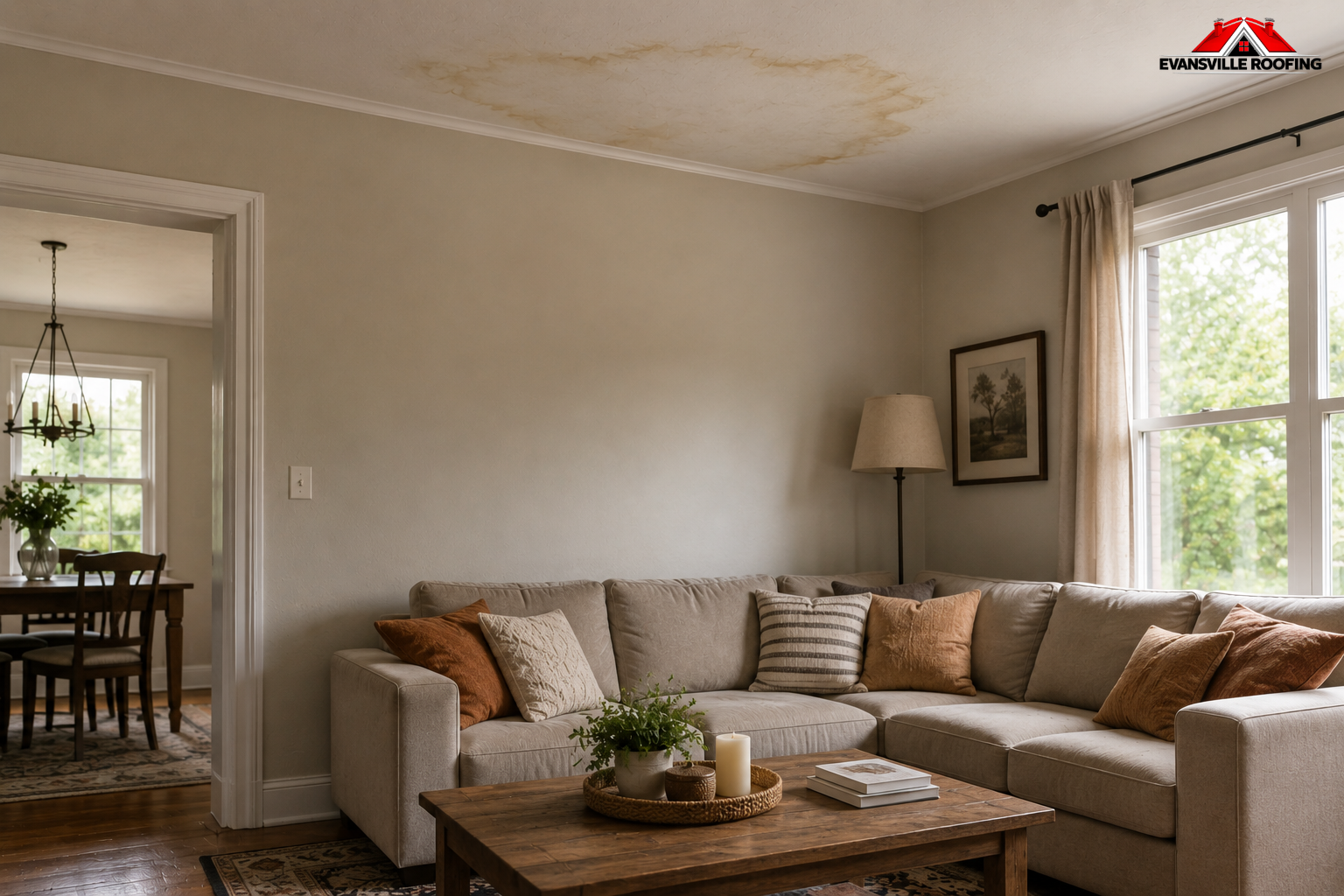
The main job of a roof is to keep water out. But leaks can do more damage than many realize. Water intrusion can stain ceilings, damage drywall, encourage mold growth, and weaken framing over time. Even a small leak around a vent or chimney can create costly hidden problems.
If you spot trouble, a targeted roof repair can stop damage from spreading and protect your home’s structure. For more on how leaks affect interiors, check out our article, How Roof Problems Can Affect the Inside of Your Home.
Supports energy efficiency and comfort
A well-installed roof boosts energy efficiency. When ventilation and insulation work together, your home retains conditioned air better, reducing stress on your HVAC system. This can make your home more comfortable year-round and help lower utility costs.
The U.S. Department of Energy highlights that attic ventilation and insulation are key to managing heat flow and moisture, directly affecting comfort and efficiency. You can learn more at Energy Saver. A roof installed with these factors in mind helps your whole home operate more efficiently.
Helps prevent structural deterioration
Moisture is a major threat to a home’s structural integrity. Over time, repeated wetting and drying can damage decking, rafters, and supporting materials. If leaks continue, the roof deck may rot, sag, or lose its ability to hold fasteners.
Professional installation reduces this risk by ensuring underlayment, flashing, and roofing materials are layered correctly. Homeowners wanting to protect their structure should also consider roof maintenance and tune-ups to catch problems early before they become costly repairs.
Why a New Roof Can Increase Home Value
Buyers notice roof condition immediately.
When buyers tour a home, they subconsciously evaluate the roof. They may not inspect every detail, but they look for signs of age, discoloration, curling shingles, or past leaks. A new or well-maintained roof gives buyers confidence that the property is cared for.
This confidence is important because buyers often use roof condition as a negotiating point. If the roof seems near the end of its life, they may ask for a lower price or repair credits. A roof in excellent condition supports a stronger listing position.
ROI can be meaningful at resale
Research in real estate and remodeling shows that roofing projects can yield strong returns. Replacing an aging roof can offer a significant return on investment and increase resale value. These numbers vary by market and home condition, but roof work often adds real financial value.
Estimates suggest a new roof can add roughly $10,000 to $20,000 to a home’s resale value, depending on property size, location, and roofing material. For sellers, this can mean a faster sale and less negotiation. For buyers, it’s one less big-ticket item to worry about.
Insurance savings may add another layer of value.
A new roof can also lower annual ownership costs. Some insurers offer premium discounts for newer roofs, especially if the materials are impact-resistant or storm-rated. Savings can range from 5% to 35%, depending on the insurer and roof type.
This financial benefit extends beyond resale. Lower premiums can help offset the initial investment over time, especially for homeowners planning to stay put for years. Combined with fewer repairs and better energy performance, the total return becomes even more attractive.
Roofing Materials That Improve Durability and Value
Asphalt shingles remain a practical choice.
Asphalt shingles are popular because they balance cost, appearance, and performance. They suit many architectural styles and usually provide a solid return for homeowners seeking an affordable upgrade. When installed correctly, they offer reliable service for years.
For many homes, asphalt is a smart value-based option. It’s especially effective when paired with professional installation, proper underlayment, and a maintenance plan that includes periodic inspections. To understand this process better, review Understanding the Roof Replacement Process for Evansville Homeowners.
Metal roofing offers longevity and efficiency.
Metal roofing is gaining popularity due to its durability and weather resistance. It performs well in harsh climates and can be a good option for homeowners seeking longer service life and a modern look. In some cases, metal roofs also improve energy efficiency by reflecting more heat than darker materials.
While the initial cost is higher than asphalt, metal can be a wise investment when longevity is a priority. The right system, installed by experienced professionals, can offer long-term value through reduced maintenance and strong performance during severe weather.
Cool roofs and solar-ready options are growing.
The roofing industry is focusing more on sustainability. Cool roofs, solar-ready systems, and storm-resistant materials are gaining attention because they help align comfort, resilience, and environmental responsibility. These materials reduce heat absorption, support energy savings, and prepare homes for future tech.
Resources like the U.S. Environmental Protection Agency highlight the benefits of reflective surfaces and green building strategies. Homeowners wanting a future-ready roof should ask about material options that fit their budget and goals.
Installation Quality Is the Real Difference Maker
Even premium materials fail when installed poorly.
High-end materials are only as good as the crew installing them. Shingles can blow off, flashing can fail, and valleys can leak if fastening and sealing aren’t done right. In many roof problems, the issue isn’t the material; it’s shortcuts, rushed labor, or poor attention to detail.
That’s why hiring a skilled contractor is crucial. Professional installation ensures components are layered, sealed, and ventilated according to standards. Homeowners looking for dependable workmanship should see roof installation as a craft, not just a task.
Ventilation protects the roof from the inside.
Proper ventilation is often overlooked but vital for roof performance. Without enough airflow, heat and moisture can build up, causing shingles to age faster and increasing the chance of mold, ice issues, and warped decking. A well-designed ventilation system helps regulate attic temperature and keeps the roofing structure healthy.
Best practices include code compliance, correct exhaust placement, and balanced intake vents. Though invisible once the job is complete, they significantly impact durability. Homeowners concerned about attic airflow can schedule a roof inspection to catch issues before they become major expenses.
Local codes and manufacturer standards matter.
Each roofing project should follow local building codes and manufacturer instructions. These standards improve safety, performance, and warranty protection. Skipping even one step can shorten the roof’s life or create complications during resale or insurance claims.
Professional contractors stay updated on these requirements and ensure the system is installed correctly. This attention is valuable when weather events or home inspections reveal weaknesses. A compliant roof is more likely to withstand scrutiny and perform as it should.
How Maintenance Extends Roof Value Over Time
Routine inspections catch problems early.
Roof maintenance isn’t complicated, but it’s essential. A seasonal inspection can reveal lifted shingles, cracked sealant, damaged flashing, or clogged gutters before these issues lead to leaks. Early detection usually means lower repair costs and less disruption for you.
Regular inspection is especially important after storms. If hail, high winds, or debris impact your home, a timely assessment can determine whether repairs are enough or if replacement is a better choice. In severe cases, emergency roofing services may be needed to protect your home.
Preventive care supports resale confidence.
Maintenance records can help when selling your home. Buyers appreciate documentation showing the roof has been inspected and cared for over time. This history suggests lower risk and can make your property more attractive compared to similar homes without proof of upkeep.
That’s why roofing shouldn’t be treated as a one-time event. Preventive care extends the roof’s lifespan, improves performance, and helps preserve your investment. A well-maintained roof often looks better, functions better, and sells better.
Small repairs prevent larger losses.
Minor problems rarely stay minor. A missing shingle can expose underlayment. Loose flashing can allow water behind a wall. Clogged gutters can force water under the roof edge. Quick action protects the structure and saves money.
If you notice aging shingles, visible wear, or recurring leaks, don’t wait until damage spreads. A focused repair combined with maintenance is often the most cost-effective way to protect value and avoid premature replacement.
Real-World Example: How Roof Quality Affects Market Perception
Lessons from a faster sale
In Toledo, homes with new roofs reportedly commanded 5% to 10% higher asking prices and sold faster than those with aging roofs. This makes sense because buyers are more willing to move quickly when a major system is already addressed. They see fewer hidden risks and fewer post-closing expenses.
This principle applies in many markets. A well-installed roof helps a home look move-in ready, significantly affecting offers. Sellers who invest before listing often generate more interest and stronger negotiating power.
Why appraisers factor roofs into value
Appraisers consider roof condition because it affects both remaining life and replacement risk. An older roof may not always lower appraised value, but visible deterioration can influence the number or trigger concerns from lenders and buyers. A solid roof supports a stronger property assessment.
This makes roofing a strategic home improvement, not just a maintenance expense. Better roof condition helps support the home’s market position during refinancing, listing, or transfer.
What Homeowners in Evansville Should Prioritize
Choose materials for climate and performance.
Evansville’s hot summers, cold winters, and occasional storms make climate-appropriate roofing important. Homeowners should choose materials with strong thermal performance, dependable weather resistance, and installation methods suited to local conditions, helping the roof perform consistently year-round.
If you’re comparing options, look for a contractor who understands local weather patterns and can recommend systems balancing durability, efficiency, and budget. The right advice can make a major difference in comfort and long-term value.
Ask about ventilation, insulation, and flashing.
Many roofing issues start with overlooked details. Proper flashing protects transition points. Balanced ventilation protects attic space. Quality insulation helps the roof and HVAC system work efficiently. Discuss these pieces before the job starts, not after the first leak appears.
Homeowners in Evansville wanting a full system check should consider a trusted local team experienced in repairs and full replacements. A service-focused contractor provides real value by matching the roof design to the home’s needs.
Work with a contractor who explains the process clearly
Clear communication matters as much as technical skill. A good contractor should explain material options, timelines, code compliance, and cleanup procedures. When homeowners understand the process, they feel more confident in their decisions and the results.
That’s the standard Evansville homeowners should expect from a trusted contractor. If you need a local partner for repair, replacement, or a detailed assessment after storm damage, choosing an experienced team is the best way to protect your investment.
Frequently Asked Questions About Roof Value and Protection
Does a new roof always increase home value?
Not every roof project increases value by the same amount, but a new roof usually improves resale appeal and reduces buyer objections. The overall impact depends on the home’s age, neighborhood, material choice, and condition of competing properties. Even if the appraised value doesn’t jump dramatically, the roof can still help the home sell faster with fewer concessions.
Should I replace my roof before selling?
If your roof is over 20 years old, has visible damage, or has been flagged with fewer than 3 to 5 years of useful life, replacement may be worth considering before listing. Often, the cost of replacing the roof is easier to justify than taking a price cut during negotiations. A pre-listing roof assessment can help you decide.
How often should I inspect my roof?
Most homeowners should inspect their roof at least once a year and again after major storms. If the roof is older or has a history of leaks, more frequent checks may be wise. Seasonal maintenance can extend roof life and help avoid surprise repairs.
Protect Your Home and Strengthen Its Value
A well-installed roof does more than keep the weather out. It protects the structure, improves comfort, supports energy efficiency, and can make a big difference at resale. When installed with quality materials, proper ventilation, and attention to detail, a roof becomes one of the most valuable systems in your home.
If you’re planning a project or deciding whether to repair or replace an aging roof, now’s the time to get expert guidance. Evansville homeowners can protect their investment by scheduling a professional assessment, asking the right questions, and choosing a contractor who understands performance and value. Contact Evansville Roofing Company today to explore your options and take the next step toward a safer, stronger home.