Understanding Shingle Loss: What Homeowners Need to Know
Shingles are your roof’s first line of defense against rain, wind, heat, and hail. So, when they start disappearing or shedding granules, it’s a sign worth paying attention to. Some wear is normal as asphalt shingles age, but visible loss can also point to deeper issues like storm damage, poor ventilation, installation problems, or simple end-of-life deterioration. If you’ve noticed bare spots, loose tabs, or piles of granules in your gutters, it’s time to understand what the damage means and how to respond before a small issue turns into a costly repair.
For homeowners who want to stay ahead of problems, a professional roof inspection and damage assessment is often the best place to start. A trained eye can tell the difference between normal aging and active roof failure, which is important because early action can sometimes extend the life of your existing system. For more background on how weather affects building materials, the U.S. Department of Energy offers helpful guidance on roofing and home performance at energy.gov.
Why Roof Shingles Lose Granules and Dislodge
Natural Aging and Weather Exposure
Asphalt shingles are designed with protective mineral granules that help reflect sunlight, resist UV damage, and improve durability. Over time, those granules loosen naturally as the shingles expand and contract with changing temperatures. This process speeds up in hot, humid climates and in regions that experience frequent storms, both of which can contribute to more noticeable wear. Eventually, the protective surface becomes thinner, and the shingle loses some of its ability to protect the roof deck below.
Storms, Wind, and Hail Impact
Severe weather is one of the biggest reasons shingles go missing or lose granules early. High winds can lift edges and break the seal between shingles, while hail can bruise the surface and knock granules loose in a matter of seconds. In areas that see repeated storm activity, damage might not always be obvious from the ground, which is why post-storm checks are so important. Homeowners in the Midwest often learn this the hard way after a single hailstorm leaves a roof looking intact but weakened in several spots.
Installation and Ventilation Problems
Roofing issues aren’t always caused by weather alone. Poor fastening, incorrect nailing patterns, and weak attic ventilation can all shorten the life of shingles. When an attic traps heat and moisture, roof surfaces can age faster and shingles can become brittle, curled, or more prone to displacement. Experts consistently recommend proper ventilation because it helps regulate temperature and moisture levels, protecting both the roof covering and the structure beneath it. If you suspect your attic is contributing to early wear, it may also help to review how to spot roof ventilation issues and keep your home safe.
Is Some Granule Loss Normal?
What Minor Shedding Looks Like
Yes, some granule loss is normal, especially on a new roof or a roof that's been through a few seasons of heavy rain and sun exposure. A small amount of grit in gutters or around downspouts is not usually a cause for immediate concern. This is just part of the wear process as shingles age and settle into place. The key is to watch for patterns rather than isolated signs.
When the Warning Signs Become Serious
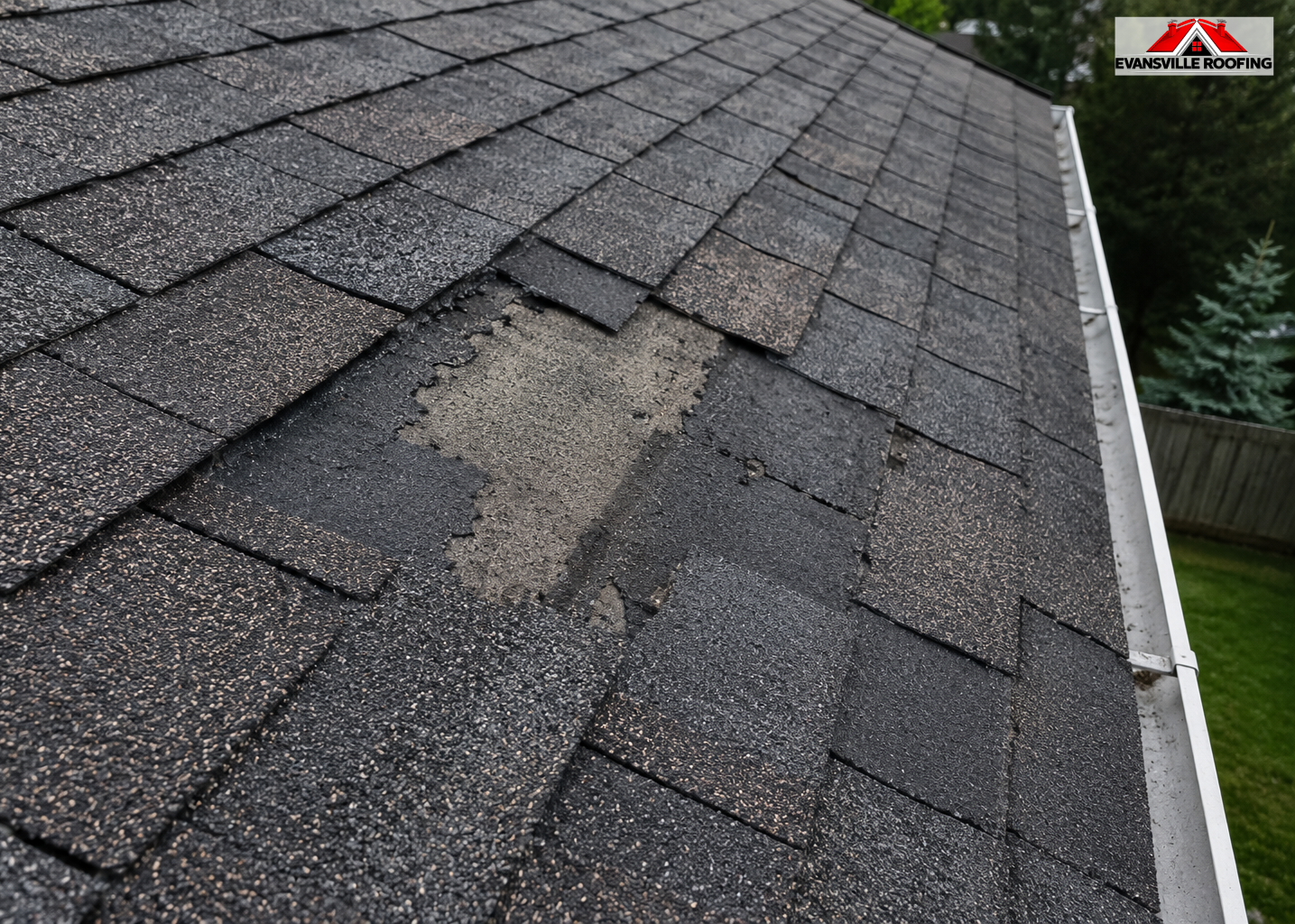
The concern rises when granule loss becomes widespread, uneven, or concentrated in certain areas of the roof. Bald spots, exposed asphalt, dark patches, and consistent shingle shedding can signal that the roof has started to fail. Once the protective layer wears away, shingles become more vulnerable to cracking, curling, water intrusion, and UV damage. If more than 30% of the shingles have lost granules or are visibly damaged, replacement is often more cost-effective than continuing to patch recurring failures.
Why This Matters for Roof Life Expectancy
Asphalt shingles typically last 15 to 30 years, but that lifespan depends heavily on climate, installation quality, and maintenance. A roof that is inspected regularly and kept in good repair often reaches the higher end of that range, while neglected roofs may fail much earlier. For homeowners comparing material choices, this is one reason many experts recommend evaluating durability alongside appearance. You can also explore broader material tradeoffs in choosing roofing materials for climate and home design.
How the Weather in Evansville Affects Roof Shingles
Heat, Humidity, and Thermal Cycling
Evansville’s humid subtropical climate creates a tough environment for roofing systems. Hot summers cause shingles to expand, while cooler nights and seasonal changes make them contract. That constant cycle weakens the material over time, especially if the attic is poorly ventilated. Moisture can also add to the problem by encouraging mold growth, wood deterioration, and accelerated shingle breakdown.
Thunderstorms and Hail Risk
The region is also no stranger to thunderstorms, wind gusts, and occasional hail. Even one severe event can dislodge shingles or strip away a noticeable amount of granules, especially if the roof already has age-related wear. According to guidance from the National Weather Service, hail and high winds are common contributors to property damage during severe weather outbreaks, which is why quick post-storm evaluation is so important. Homeowners can also learn more about storm readiness from weather.gov/safety.
Why Local Homeowners Should Stay Proactive
Because weather patterns can change quickly, homeowners in Evansville shouldn’t wait for a leak to confirm that something is wrong. A roof can shed shingles or lose protective granules long before water enters the house. That's why preventive service is so valuable: a scheduled check after storms and seasonal changes can identify loose shingles, lifted edges, and hidden impact marks before they become a leak or structural problem. If damage is already visible, roof repair can often restore protection quickly when the issue is caught early.
What Roof Shingle Loss Means for Your Home
Hidden Moisture and Leak Risks
Shingle loss is more than a cosmetic issue. Once shingles lose their protective layer or become dislodged, water can work its way into the underlayment, roof deck, and attic space. Even if you don’t see a ceiling stain right away, moisture may already be affecting insulation or wood components. That’s why roof leaks sometimes appear well after the original damage event, especially when small openings go unnoticed for weeks or months.
Reduced Energy Efficiency and Comfort
A failing roof can also affect indoor comfort. Damaged shingles and poor ventilation make it harder for a home to manage heat buildup in the summer and moisture in the winter. That can lead to higher utility bills, warmer upper floors, and more strain on HVAC systems. While roof shingles are just one part of the building envelope, they play an important role in keeping the home efficient and comfortable year-round.
More Expensive Repairs Later
Small shingle issues often become expensive because they spread. A few loose tabs can lead to water infiltration, and water infiltration can lead to rot, mold, and structural damage. Once those problems develop, the repair process becomes more involved than replacing a few shingles. That’s why homeowners are often better served by calling for roof maintenance and roof tune-ups before visible damage escalates into a larger project.
How to Prevent Granule Loss and Shingle Damage
Schedule Regular Roof Inspections
Routine inspections are one of the simplest and most effective ways to prevent premature shingle failure. Professionals know how to identify lifted edges, soft spots, sealant failure, nail pops, and storm bruising that may not be visible from the yard. For most homes, inspections are especially valuable after major weather events and before major seasonal changes. If you want a deeper explanation of what inspectors look for, the blog post Expert Guide to Storm Damage Roof Checks in Evansville, IN is a useful resource.
Keep Attic Ventilation Working Properly
Ventilation isn’t just about airflow; it’s a major part of roof health. When air can move freely through the attic, heat and moisture don’t accumulate as quickly beneath the shingles. That slows aging, reduces the chance of blistering or curling, and helps prevent ice-related problems in colder weather. Homeowners often overlook this system until damage appears, but ventilation is one of the most important behind-the-scenes defenses a roof has.
Avoid Unnecessary Roof Traffic and Harsh Cleaning
Walking on shingles can loosen granules and break seals, especially on older or heat-softened roofing materials. The same goes for aggressive pressure washing or abrasive cleaning methods that strip away the protective mineral surface. If debris, algae, or moss is an issue, it’s better to use gentle, roof-safe cleaning methods recommended by a qualified contractor. Preventive care is usually less costly than replacing shingles damaged by improper maintenance.
When Repairs Are Enough and When Replacement Makes Sense
Repair is the Right Choice When Damage is Limited
If the damage is isolated, like a few missing shingles after a wind event or a small area of granule loss near a ridge or valley, repair may be the most practical answer. A professional can replace damaged sections, reseal lifted edges, and inspect nearby materials to ensure the problem hasn't spread. This approach works best when the roof is otherwise in good condition, and the rest of the system still has meaningful life left.
Replacement is Better When the Roof is Near the End of Its Life
When a roof is older, patching can become a temporary fix that doesn’t address the underlying deterioration. If shingles are curling, cracking, losing granules across large sections, or failing in several areas at once, replacement often delivers better long-term value. A complete roof replacement may cost more upfront, but it can prevent repeated repair bills and reduce the risk of hidden water damage. Homeowners who are unsure can also compare the condition of the roof with the findings from a broader roof inspection.
Why Timing Matters After Storm Damage
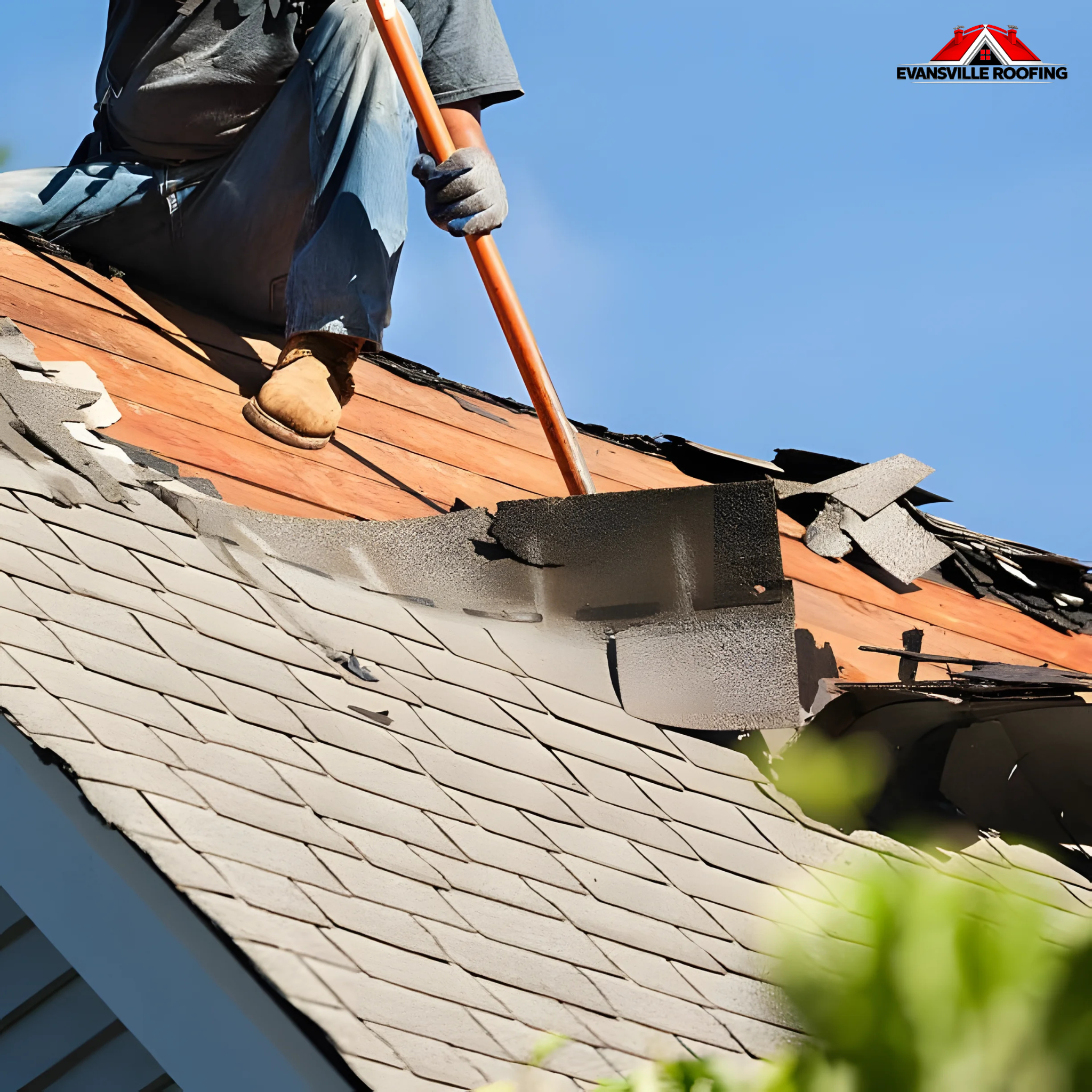
After hail or high wind, don’t wait too long to decide. Damage that seems minor today may worsen with the next rainfall, especially if the seal between shingles has been compromised. In severe cases, missing shingles can expose underlayment or decking directly to moisture. If active leaking or sudden failure is already happening, it may be wise to request emergency roofing services right away.
Real-World Example: Storm Damage in the Midwest
How Hail Can Create Hidden Roof Problems
Homeowners across the Midwest regularly deal with hailstorms that leave roofs looking only slightly worn at first glance. However, those impacts can bruise shingles, loosen granules, and weaken the seal between courses. The problem is that the roof may continue functioning for a short time, giving a false sense of security. Weeks later, a leak may develop after the next heavy rain because the damage finally reaches the underlayment.
Why Fast Inspection Prevents Bigger Losses
In these cases, prompt inspection is the difference between a manageable repair and a major insurance claim. A contractor can document storm effects, identify whether the damage is isolated or widespread, and recommend the most cost-effective next step. This is where consistent maintenance pays off: the earlier a homeowner acts, the more likely it is that repairs will remain limited to specific areas instead of the entire system. For a broader context on roof structure and hidden wear, why your roof might look fine but still needs repairs in Evansville, IN, is worth reading.
What Homeowners Should Learn From These Events
The biggest lesson from storm-prone regions is that roof damage is often progressive. A roof may take several small hits before obvious symptoms appear, and granule loss is often one of the earliest clues. That’s why proactive documentation, seasonal inspections, and maintenance planning matter so much. By treating shingle loss as an early warning sign, homeowners can protect their home before more serious water or structural issues emerge.
Frequently Asked Questions About Shingle Loss
Can I Just Replace a Few Shingles Myself?
In some cases, homeowners attempt minor roof repairs on their own, but this isn’t always the safest or most effective route. Matching shingles, re-sealing tabs, and identifying nearby damage requires experience, and walking on a worn roof can create more problems than it solves. A qualified roofing contractor can determine whether the visible issue is isolated or part of a larger pattern.
How Often Should I Inspect My Roof?
A good rule of thumb is to inspect the roof at least twice a year and after major storms. Seasonal checks help catch slow wear, while post-storm checks reveal sudden damage that may not show up until the next rainfall. If you’re unsure where to start, a professional inspection is more thorough and can identify issues in the attic, ventilation system, flashing, and shingle field.
What Are the Clearest Signs of Roof Trouble?
Some of the most common warning signs include missing shingles, curled or cracked tabs, granules in gutters, discoloration, soft spots, and stains in the attic or on ceilings. Even if these signs seem small, they can indicate a roof that is nearing failure or already letting moisture in. When multiple signs appear together, the chances of a larger issue increase significantly.
Protect Your Roof Before Small Problems Become Big Ones
Roof shingle loss is common, but it shouldn’t be ignored. Whether the cause is age, storm damage, poor ventilation, or installation concerns, the meaning is the same: your roof needs attention before the damage spreads. The good news is that many homeowners can avoid major expenses by responding early with inspection, maintenance, and targeted repair. That approach helps preserve roof life, protect the structure, and reduce stress when bad weather arrives.
If you’re seeing granules in your gutters, missing shingles after a storm, or signs of deterioration around your home, now is the time to act. Evansville Roofing Company is ready to help with inspections, repairs, replacements, and maintenance tailored to your roof’s condition and your budget. Learn more about our roof installation services for new projects or explore our full range of solutions to keep your home protected for years to come. For direct help, call 812-461-6336 or visit our website at https://evansvilleroofingexperts.com to schedule an evaluation today.