We often blame roof leaks on severe storms, but many homeowners are surprised when water starts trickling in during light rain, dry spells, or even long after a storm has passed. The truth is, a roof can leak without heavy rain because the issue usually begins with a hidden weakness in the roofing system, not the weather. If you're trying to figure out why this happens and how to stop it, this guide breaks down the common causes, warning signs, and prevention steps.
For those who like to stay ahead of the game, regular roof inspections and damage assessments can catch issues early, before they turn into expensive repairs. Staying on top of small problems with roof maintenance and tune-ups is smart, especially in climates where temperature changes, humidity, and seasonal storms constantly stress the roofing materials. According to the National Centers for Environmental Information, weather patterns and moisture exposure can affect building materials in ways that aren't always immediately visible, which is why roof problems often go unnoticed until water starts showing up inside.
Why Roof Leaks Happen Without Heavy Rain
Small Failures Can Create Big Water Problems
A roof doesn't need a major downpour to leak. Even a tiny puncture, lifted shingle, weak seal, or cracked flashing can allow water to enter during light rain, dew, or melting moisture. Once water gets beneath the surface, it may travel along decking, framing, insulation, or underlayment before appearing inside your home. That makes the leak seem random, although the damage may have been building up for weeks or months.
Professionals often find that the visible drip indoors is far from the actual entry point on the roof. That's why a targeted roof repair is often more effective than just patching the ceiling stain. The real issue is usually in the roof system itself, and solving it requires tracing the water's path from the outside in.
Weather Changes Expose Weak Points
Modern roofing materials are more durable than older ones, but no system is immune to wear. Rapid temperature changes can make shingles expand and contract, sealants break down, and metal components loosen over time. Humidity and condensation can also create moisture-related problems, even when it's not raining hard. In Evansville, where the weather can shift quickly from damp to hot to stormy, these changes make roof weaknesses easier to spot.
The U.S. Department of Energy notes that moisture control and air sealing matter for overall home performance. The same idea applies to roofing: if the system isn't sealed correctly, small openings can become leak points when conditions change.
The Most Common Causes of Leaks in Light Rain
Flashing Issues Around Chimneys, Vents, and Walls
Flashing is a common source of leaks because it protects the joints where roof surfaces meet vertical structures. When flashing is loose, rusted, poorly installed, or separated from surrounding materials, water can sneak through even during light rain. Chimneys, skylights, vent pipes, and dormers are all vulnerable areas because they interrupt the roof surface and require precise sealing.
If you suspect trouble in these areas, a professional roof repair team can inspect the flashing, reseal the joints, and replace damaged components before the leak spreads. Many so-called roof leaks are actually flashing failures disguised as general water intrusion.
Clogged Gutters and Poor Drainage
Gutters are designed to move water away from the roof edge, but when they're clogged with leaves, granules, twigs, or dirt, water can back up under shingles or overflow near fascia boards. Light rain may not seem like enough to cause damage, yet a blocked gutter system can still push water into areas that should stay dry. Over time, this can lead to rot, staining, and interior leaks.
Regular gutter cleaning is one of the simplest ways to prevent these problems. It also supports the broader health of the roof system, especially when paired with routine roof maintenance and tune-ups. For a helpful overview of moisture-related home issues, the Environmental Protection Agency’s mold and moisture guidance explains why ongoing water exposure should never be ignored.
Damaged Shingles and Surface Wear
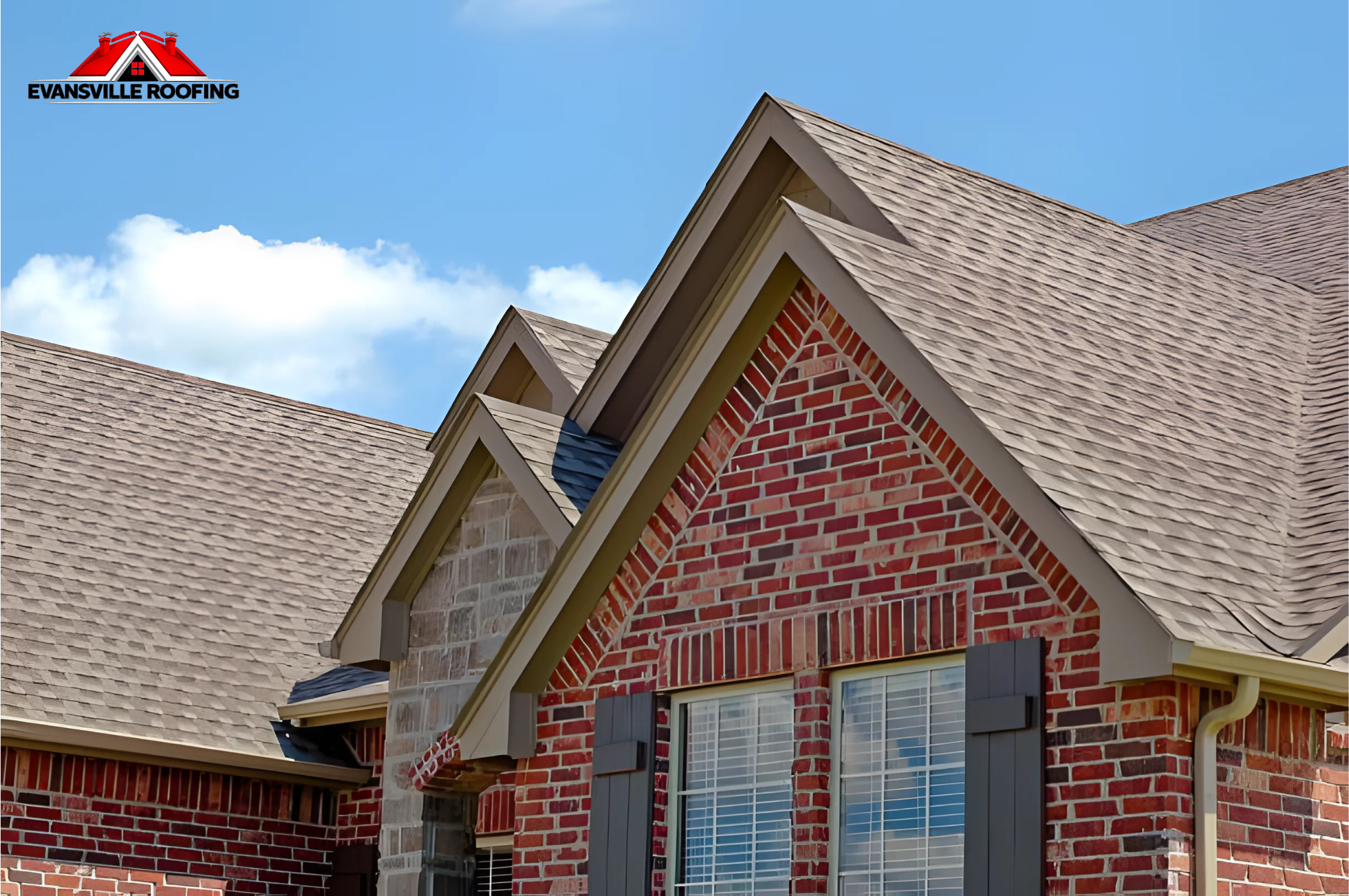
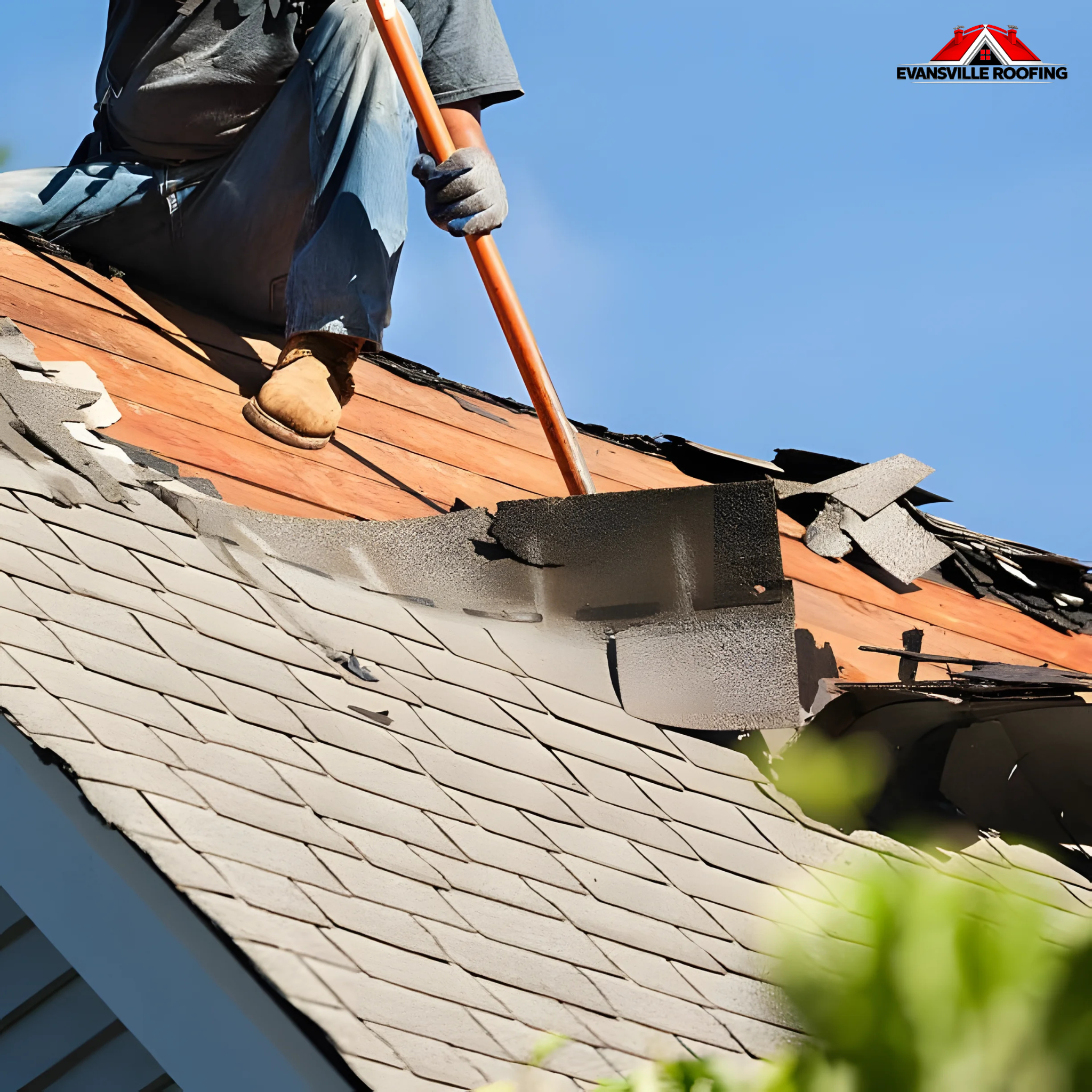
Shingles that are cracked, curled, missing, or worn thin can let water into the roof surface even during a short, mild rain. Granule loss is especially important because those granules help protect asphalt shingles from UV exposure and weathering. Once this protective layer thins, the roof becomes more vulnerable to seepage and wind-driven moisture.
What makes this tricky is that some damage isn't obvious from the ground. A roof may look presentable while suffering from hidden deterioration. That’s one reason a detailed roof inspection and damage assessment is so valuable for both residential and commercial property owners.
Failed Seals and Punctures in the Roofing Membrane
Flat and low-slope roofs are particularly vulnerable to membrane issues. Seams can separate, fasteners can back out, and punctures from foot traffic or debris can create easy entry points for water. A commercial building may leak during light rain simply because a seam has weakened enough for water to get underneath it. In these cases, the leak often appears far from the original problem area.
As noted in a commercial roofing case study by Nations Roof, membrane damage and failed seams can lead to water intrusion even without heavy rain. This example reflects a broader pattern: small defects become pathways for water long before a major storm arrives.
How Roofing Trends and Better Materials Affect Leak Prevention
More Durable Products Still Need Proper Installation
Roofing technology has come a long way. Today's shingles, membranes, sealants, and underlayments are built to withstand the weather better than many older materials. Some products offer improved impact resistance, better UV protection, and stronger water barriers. However, better materials don't eliminate the need for expert installation and ongoing care.
Even the most advanced roofing system can fail if it's installed poorly or left unmaintained. Misplaced nails, improperly sealed seams, or insufficient flashing overlap can undo the benefits of high-quality materials. That's why working with an experienced roofing contractor in Evansville, IN, is crucial for long-term performance.
Energy Efficiency and Ventilation Influence Moisture Buildup
Another trend in roofing is the growing focus on energy efficiency and attic ventilation. When heat and humidity build up in an attic, they can contribute to condensation, wood deterioration, and premature wear on roofing materials. Moisture doesn't always have to come from outside rain; it can also come from inside the building envelope if air movement is poor.
This is why roof performance should be viewed as a complete system rather than a surface layer alone. If you want to address hidden moisture pathways, combining roof repair with a ventilation review, roof inspection, and damage assessment is often the smartest approach. For more background on ventilation concerns, see our related guide on how to spot roof ventilation issues and keep your home safe.
Signs Your Roof May Leak Even in Light Rain
Interior Warning Signs to Watch For
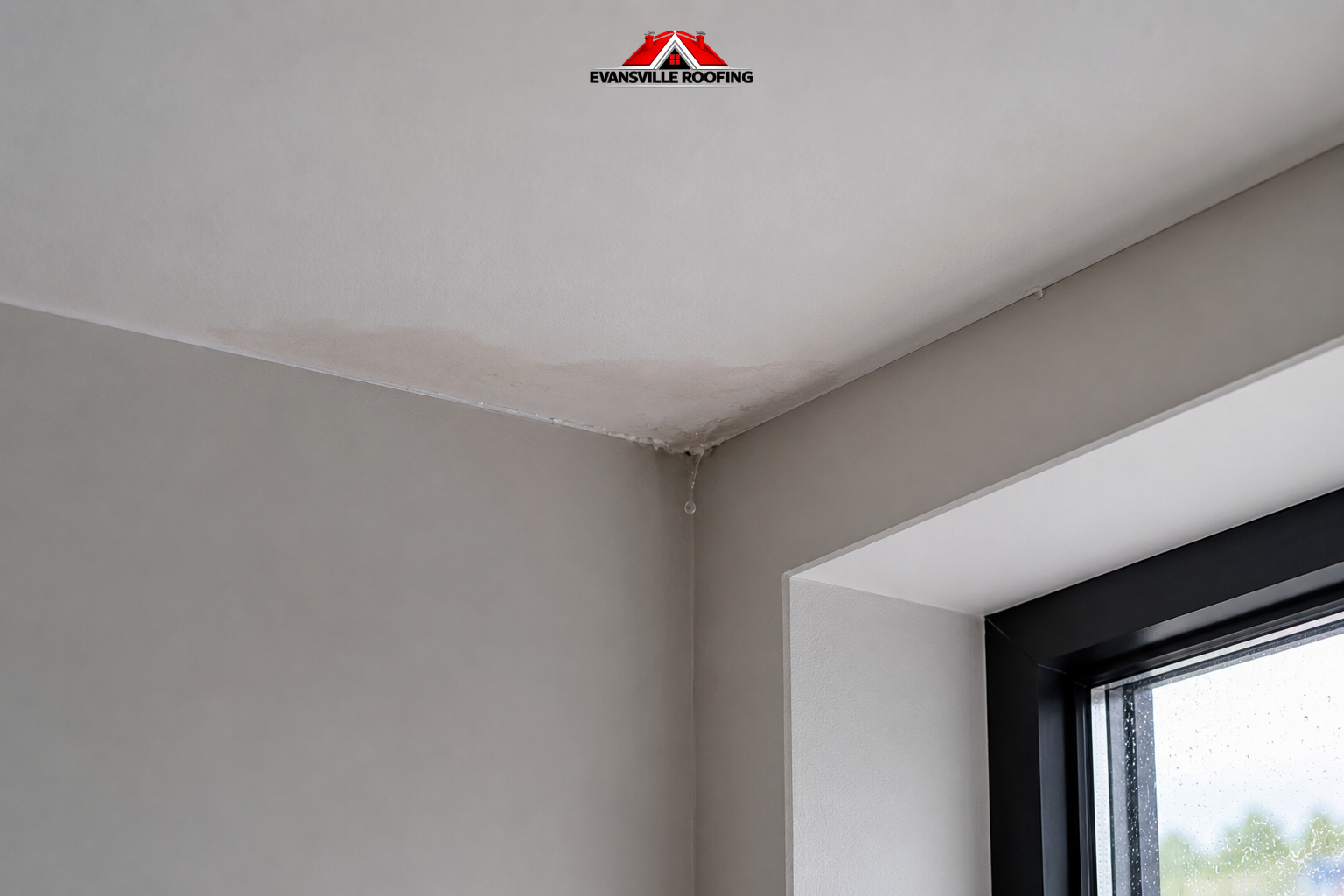
The first sign of a roof leak isn't always a visible drip. You might notice discoloration on ceilings, bubbling paint, damp insulation, or a musty smell in the attic. Sometimes water stains appear only after intermittent rain because the leak is small and inconsistent. These signs should never be ignored, even if the weather has been mild.
Small moisture stains often mean that water has been entering the roof system for a while. Waiting to see if the problem gets worse can lead to mold growth, damaged drywall, and higher repair costs. If the leak is active, emergency help may be needed through emergency roofing services.
Exterior Warning Signs to Inspect
Outside your home, look for curled shingles, missing pieces, exposed nail heads, rusted flashing, sagging rooflines, and debris trapped in valleys. These symptoms may seem minor, but each one can create a pathway for water. Roof valleys are especially important because they channel large amounts of runoff, and problems in these areas can lead to leaks even during relatively light rainfall. For a deeper look at these vulnerable zones, read our guide to roof valleys and common failures.
Also, pay attention to gutters, downspouts, and roof edges. If water is spilling over or backing up, the roof may be receiving more moisture than it can safely manage. Exterior inspections are especially useful after storms, high winds, or seasonal debris buildup.
What a Professional Roofing Contractor Looks for During an Inspection
Hidden Damage Beneath the Surface
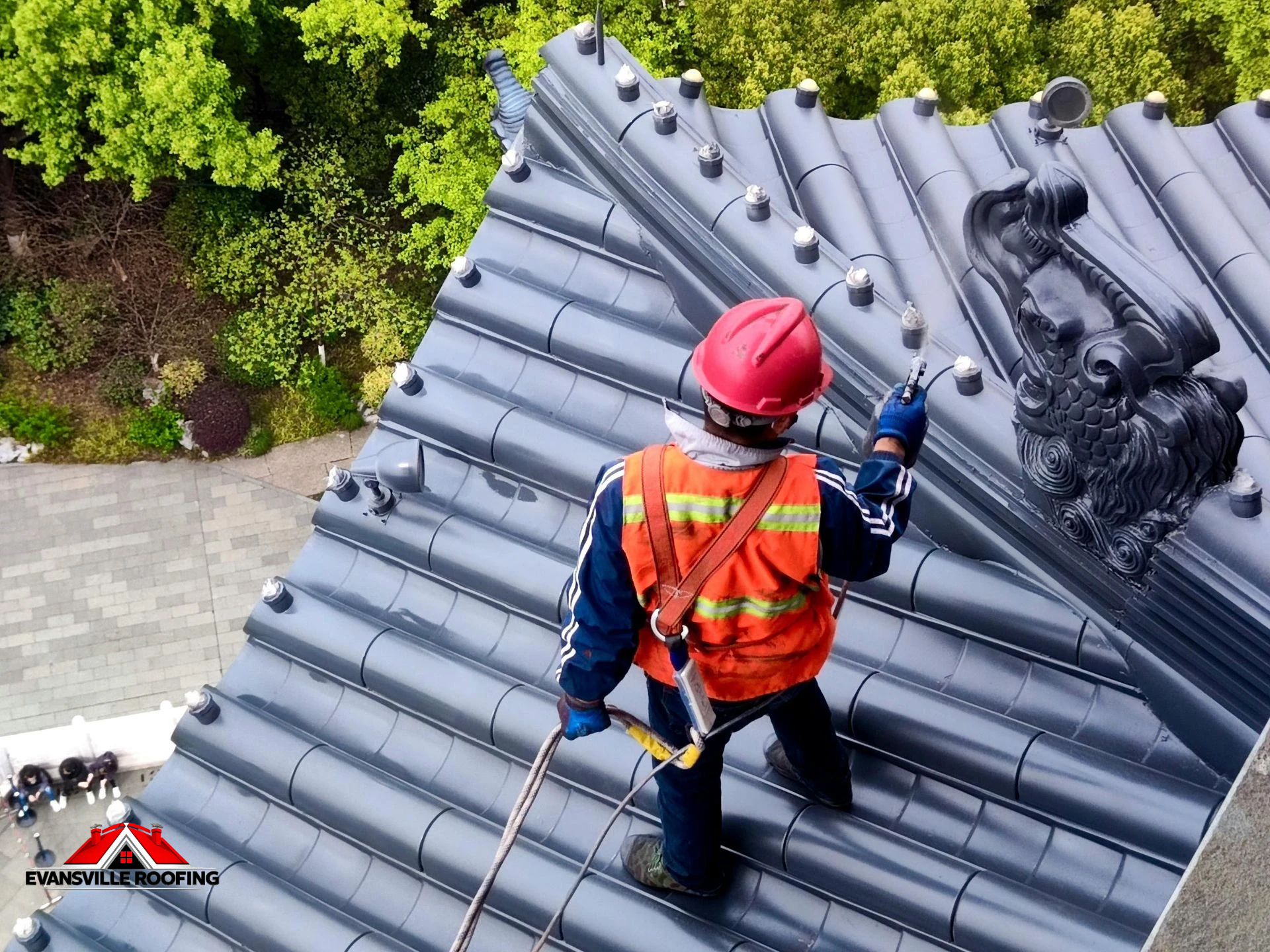
A skilled roofing contractor does more than check for obvious missing shingles. They look for subtle signs such as lifted seams, weakened sealant, fastener issues, soft decking, and moisture patterns that point to a concealed leak. In many cases, the most serious damage isn't visible from the ground or even from a quick climb onto the roof.
Professional inspection also helps identify whether the leak is isolated or systemic. That distinction matters because a single damaged area may only need repair, while widespread wear could mean the roof is approaching the end of its service life. If multiple sections are failing, a broader solution like roof replacement may be the more cost-effective long-term choice.
Why Documentation and Assessment Matter
Good roofing professionals document what they find and explain the likely cause of the leak in plain language. This helps homeowners, property managers, and business owners make informed decisions about repair timing and budget. A thorough assessment also helps with insurance claims, tenant communication, and future maintenance planning.
When the problem involves storm wear, age, or repeated water intrusion, a complete inspection should be followed by a clear recommendation. That may include sealing, patching, flashing replacement, or, in some cases, a larger project like roof installation for a roof that has reached the end of its useful life.
Real-World Example: Leaks During Light Rain in a Commercial Building
How Membrane Failure Creates Unexpected Water Intrusion
In one Nations Roof case study, a commercial building experienced leaks tied to membrane damage and failed seams rather than a major weather event. Water entered during conditions that weren't particularly severe, which made the issue harder to detect at first. The problem wasn't a catastrophic storm; it was a combination of wear, exposure, and neglected maintenance.
This reminds us that roof leaks often reflect the condition of the system, not just the intensity of rainfall. Once small openings exist, even modest moisture can find its way inside. That's why routine monitoring and prompt repairs are essential for commercial properties as well as homes.
What the Case Teaches Property Owners
The biggest lesson from cases like this is that waiting for a major leak is a mistake. By the time water is dripping indoors, the roof may already have experienced hidden damage to insulation, decking, or structural components. Light rain can reveal the issue, but it rarely causes the issue all by itself.
For business owners in Evansville, scheduling inspections before the rainy season is a practical way to reduce risk. Local humidity and storm cycles can make a roof more vulnerable, especially when maintenance has been delayed. If you operate a commercial property, our team can help with targeted service and ongoing protection through roof inspection and damage assessment.
How to Prevent Roof Leaks Without Heavy Rain
Build a Maintenance Routine
Preventing leaks starts with consistency. Clean gutters regularly, remove debris from valleys, inspect flashing, and watch for damaged shingles after wind or temperature swings. Seasonal maintenance is especially useful because it helps catch developing problems before they turn into interior leaks. A roof that's checked a few times each year is far less likely to surprise you during a drizzle.
Routine maintenance also extends roof lifespan and improves performance. If you're unsure where to begin, schedule roof maintenance and tune-ups so a professional can identify weak points and correct them before they worsen.
Address Small Issues Immediately
One of the most important rules in roofing is simple: small issues don't stay small for long. A lifted shingle, cracked boot around a pipe, or loose flashing can become a major leak path after repeated exposure. Quick action is usually less expensive than waiting until the roof deck or insulation is damaged.
If you notice a problem, don't assume it can wait until the next storm. Contact a roofing professional for timely roof repair to prevent water from spreading into the rest of the structure. The faster the issue is resolved, the better your chances of avoiding structural damage and mold concerns.
Use Inspections Strategically After Weather Changes
Inspections are especially helpful after wind events, hail, or long periods of freezing and thawing. These weather shifts may not produce obvious roof failure, but they can loosen materials, stress fasteners, and create openings that later leak under light rain. A proactive inspection strategy is far cheaper than an emergency response.
That's why many property owners pair post-storm checks with annual maintenance and a broader roof inspection and damage assessment. If you want to compare your current roof’s condition to a more durable option, it may also help to review our guide to choosing roofing materials for climate and home design.
When to Call a Roofing Professional in Evansville
Don't Wait for Visible Damage to Worsen
If you see water stains, moldy odors, loose shingles, or repeated damp spots after light rain, it's time to call a roofing contractor. The longer you wait, the more likely the leak will spread into framing, insulation, and interior finishes. Because roof leaks can travel, the source is often not directly above the visible stain.
In Evansville's humid climate, these issues can escalate quickly. Property owners in neighborhoods such as Downtown Evansville, the Green River Road Area, and nearby communities often benefit from early roof evaluations because local weather patterns can expose vulnerabilities sooner than expected. A prompt inspection may prevent a larger repair bill later.
What to Expect from a Professional Response
A reputable contractor will inspect the roof system, identify likely leak sources, explain the problem clearly, and recommend the most practical solution. That may involve simple repairs, maintenance, or a more substantial project if the roof is aging or extensively damaged. The goal should always be long-term protection, not just a temporary patch.
Working with a trusted local team like Evansville Roofing Company gives property owners access to experienced service, careful communication, and solutions tailored to the roof’s actual condition. Whether you need repairs, inspections, or a full replacement, the right contractor can help you make a confident decision.
Frequently Asked Questions About Roof Leaks Without Heavy Rain
Why Does My Roof Leak During Light Rain?
Light rain often reveals existing weaknesses rather than creating new ones. Damaged flashing, clogged gutters, worn shingles, cracked sealant, and membrane punctures can all allow water to enter when the roof is already compromised. The leak may appear only in mild rain because even a small amount of water can exploit those openings.
Can a Roof Leak Even When It Hasn't Rained Heavily?
Yes. Condensation, humidity, wind-driven moisture, and residual water from previous weather can all contribute to leaks. Sometimes the problem isn't the rain itself but how water moves across the roof and into weak points. In many situations, the roof has been vulnerable for some time before the leak becomes visible inside.
How Can I Prevent Roof Leaks Without Heavy Rain?
The best prevention strategy is regular maintenance. Clean gutters, inspect flashing, repair damaged shingles quickly, and schedule professional inspections to catch problems early. If your roof is older or has a history of leaks, make prevention part of your seasonal home or building care routine.
Should I Repair or Replace My Roof?
That depends on the age of the roof, the severity of the damage, and whether the issue is isolated or widespread. A few small problem areas may be repairable, while repeated leaks or extensive wear may justify replacement. A professional assessment is the best way to make that call with confidence.
Protect Your Roof Before the Next Leak Starts
Roof leaks without heavy rain usually signal that something hidden is failing in the roofing system. Whether it's flashing, gutters, shingles, ventilation, or membrane damage, the solution starts with understanding the source and acting early. Preventive care is almost always less expensive and less stressful than waiting for repeated water intrusion.
If you're noticing signs of trouble, schedule a professional inspection before the next light rain turns into a bigger problem. Evansville property owners can rely on experienced help from roof repair, roof inspection, damage assessment, and emergency roofing services when timing matters most. For expert support, call 812-461-6336 or contact Evansville Roofing Company at 4334 Rimridge Dr., Evansville, IN 47711 to get started today.